8 Haunted Hotels in Oregon You Can Actually Book (Historic Guide)
Oregon's ghost stories are easy to visit and hard to sleep in — in the best way. This list is different from a roundup of haunted…
Reader’s note: supernatural accounts are presented as folklore and reported experiences, not established fact.
Oregon’s ghost stories are easy to visit and hard to sleep in — in the best way. This list is different from a roundup of haunted places: every hotel below is a real, bookable stay, verified as operating in 2026, with the history first and the folklore clearly marked as reported. Some of these hotels lean into their ghosts. One does not promote its haunting at all. And one, as you will see, appears on haunted-hotel lists almost entirely on reputation — the record says something else, and we say that too.
A note on prices before you book: rates below are what research found in November 2026, from the hotels’ own booking pages and recent aggregator listings. Hotel rates move with season and demand, so treat every figure as a starting point and check the current rate for your dates before booking. Nothing here is an affiliate link — where a hotel or town has a tour worth knowing about, we name it so you can find it yourself.
1. McMenamins Edgefield — Troutdale
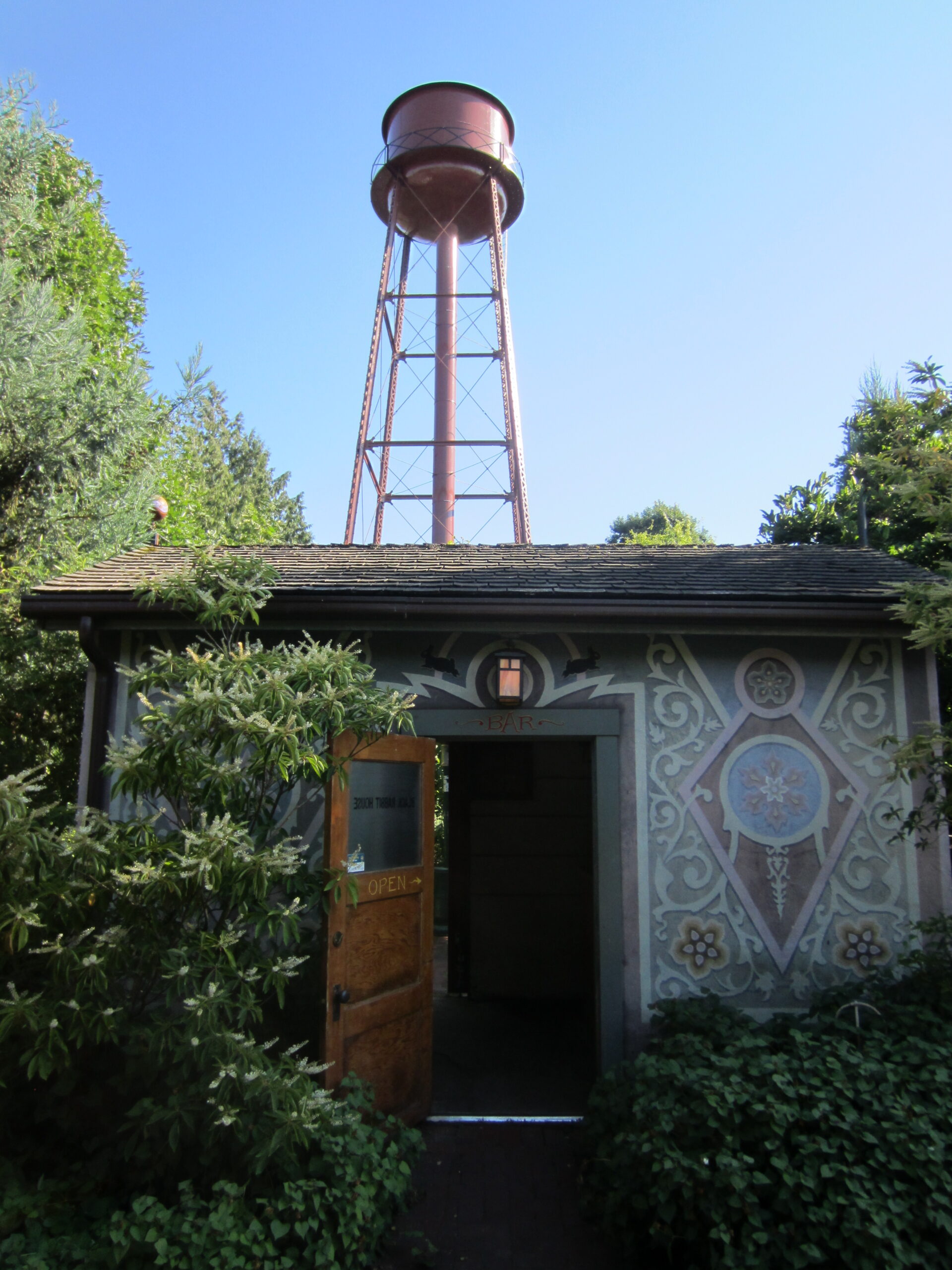
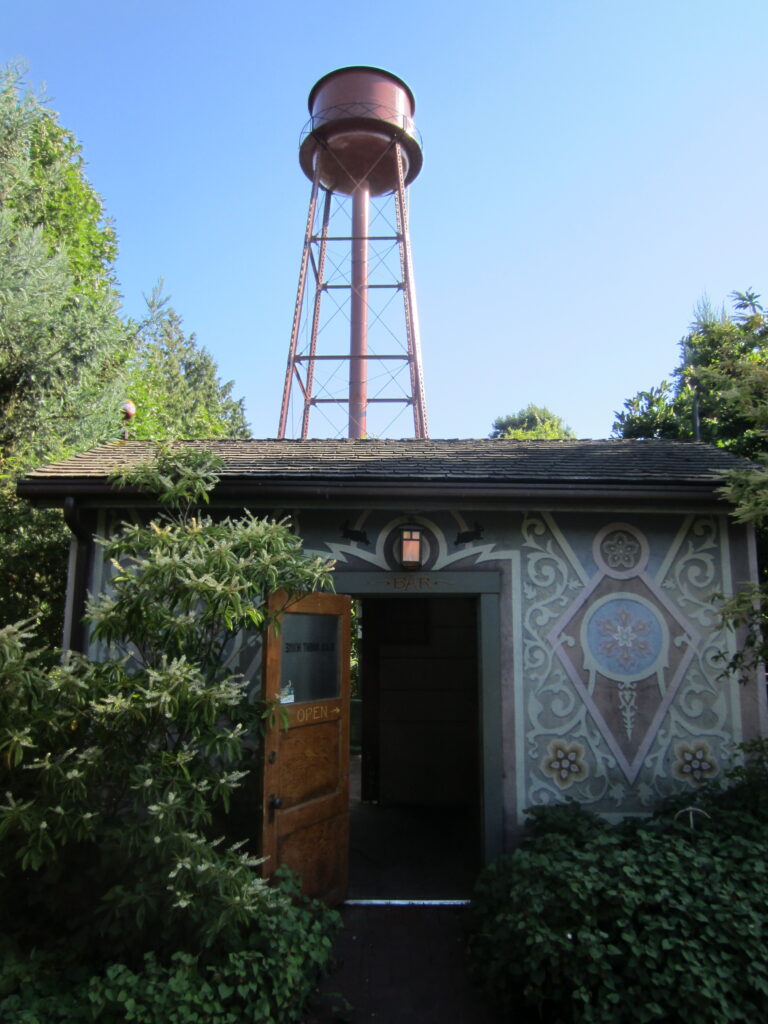
The stay: A 74-acre destination resort twenty minutes east of Portland, at 2126 SW Halsey St in Troutdale. Edgefield has a winery, a brewery, a distillery, Ruby’s Spa and its saltwater soaking pool, a par-3 golf course, a movie theater, gardens, and a concert amphitheater. Private rooms run roughly $130–$300 a night; some of the historic rooms use shared bathrooms down the hall, so check the room description if that matters to you.
The history: Edgefield was built in 1911 as the Multnomah County poor farm, and later housed infirmary and asylum residents. McMenamins restored the property in 1990 and turned it into the resort it is today.
The lore (reported): Guests and staff report children crying in a wing that was once an infirmary, a woman seen in several rooms, a ghost dog said to wake sleepers with a cold snout, and a little girl on the third-floor hallway, along with flickering lights and strange noises. The hotel lobby keeps a log of encounters guests have reported — worth a read whether or not you believe a word of it.
2. Geiser Grand Hotel — Baker City
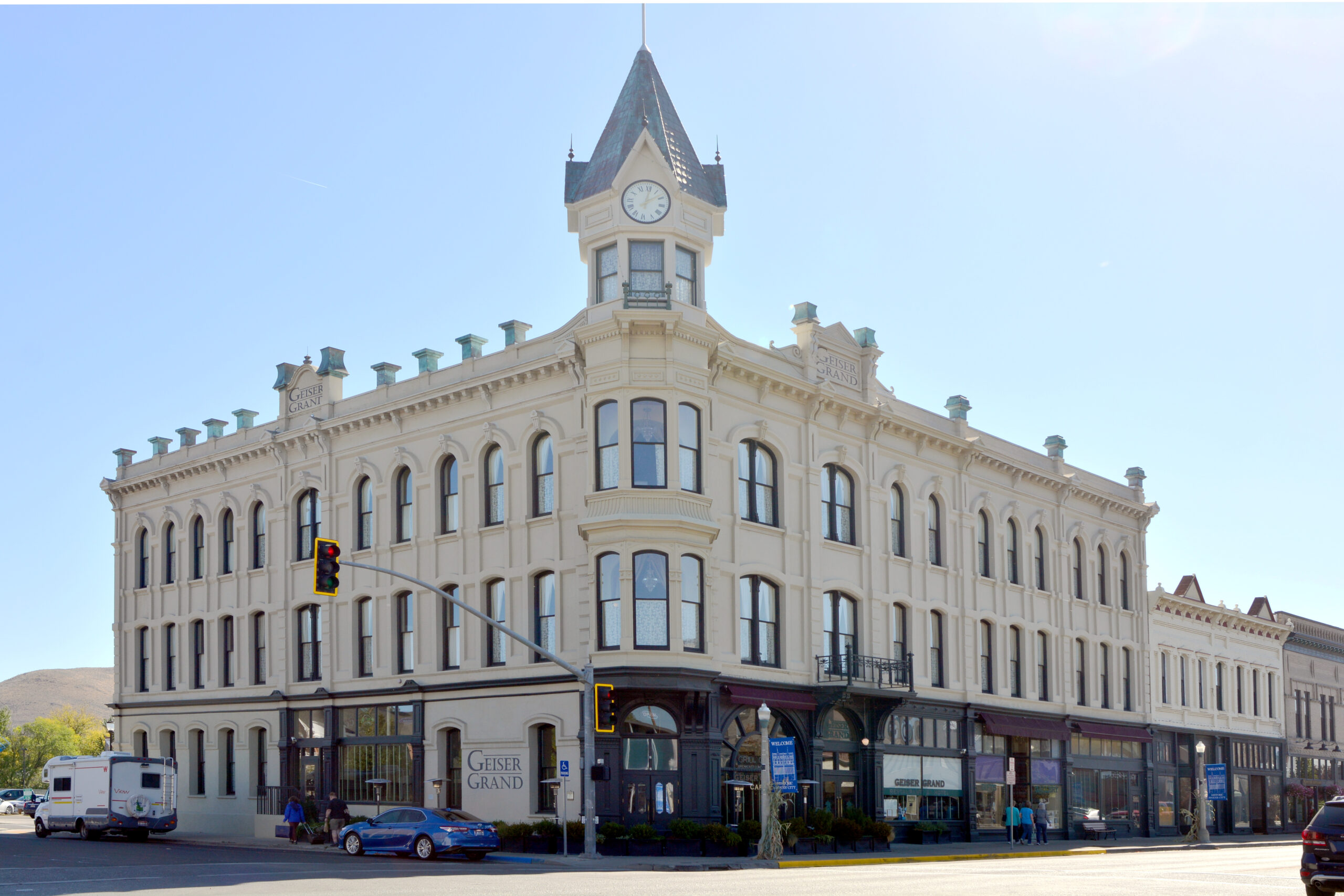
The stay: A restored Victorian grand hotel at 1996 Main St in Baker City, in Oregon’s gold country. Rooms run from around $175 a night, up to suites including the Cupola Suite with views of the Wallowa and Blue Mountains. The hotel runs its own “Step Back in Time” haunted-history tours — ask at the desk for the current schedule.
The history: The hotel opened in 1889 as the Hotel Warshauer, during Baker City’s gold rush. Mining investor Albert Geiser bought it around 1900 and gave it the name it still carries. It declined through the Depression and the war years, closed in 1968, and stood empty until Dwight and Barbara Sidway bought it in 1993 and reopened it after a three-year restoration.
The lore (reported): The most famous ghost is the Lady in Blue, said to glide up and down the grand staircase and vanish before reaching the top. Staff call her “Annabelle” and say she was a Geiser matriarch whose room was 302. Other reports include Maybelle Geiser’s reserved chair in the bar — sit in it and you may earn a pinch on the shoulder — plus a 1920s saloon dancer, a cowboy, and a headless chef in the kitchen.
The honest check: This is where the story gets interesting. The earliest printed ghost story anyone has found for the Geiser is an Associated Press report dated October 27, 1997 — months after the reopening — sourced to the owners and a hotel cook. It describes unexplained music and laughter, but it has no Lady in Blue, no Granny, and no headless chef. A 2022 genealogy search by The Oregonian found no Annabelle Geiser, and no record of a chef’s death has turned up. Barbara Sidway herself has said the hotel has fun with the rumor in its marketing, and that ghosts are “completely not provable either way.” The building, the Geisers, and the restoration are documented. The named ghosts arrived later. Stay here for the gold-rush grandeur either way — just know which half of the story the record supports.
3. Heceta Head Lighthouse Bed & Breakfast — Yachats Coast
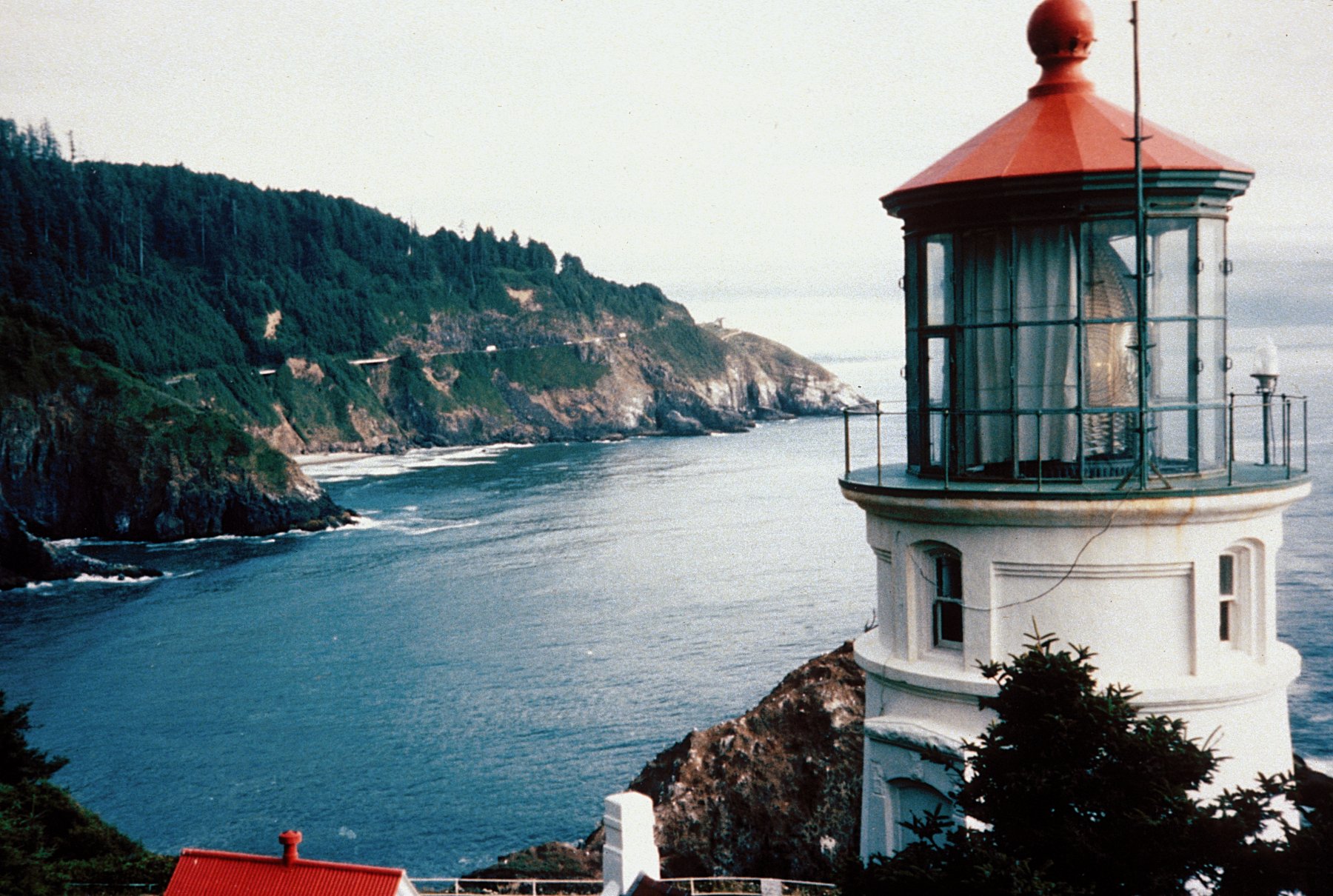
The stay: Not a hotel in the usual sense — you sleep in the 1894 assistant lightkeepers’ cottage beside one of the most photographed lighthouses on the Oregon coast, at 92072 US-101 between Florence and Yachats. Six rooms, room for about twelve guests total, so book early. Rates run roughly $208–$619 by room and season, and the price includes the inn’s famous seven-course breakfast, served at 8:30 AM. Know before you go: rooms are small, some share a bathroom with a clawfoot tub, there is no air conditioning, and the inn is not pet-friendly.
The history: Heceta Head Lighthouse was built in 1894. At 56 feet, its beam reaches 21 miles — the strongest light on the Oregon coast. The lighthouse itself offers volunteer-led tower tours in season; the keepers’ house is now the bed and breakfast.
The lore (reported): The inn’s resident ghost is the Grey Lady, nicknamed “Rue” by groundskeepers, reported since the 1950s: phantom footsteps, doors and windows opening and closing on their own, and encounters in the attic. One employee account describes watching two battery-operated candles switch themselves off at the same time while cleaning a room. Rue is described, consistently, as friendly — and particular about the inn being kept clean and tidy.
4. Historic Wolf Creek Inn — Wolf Creek
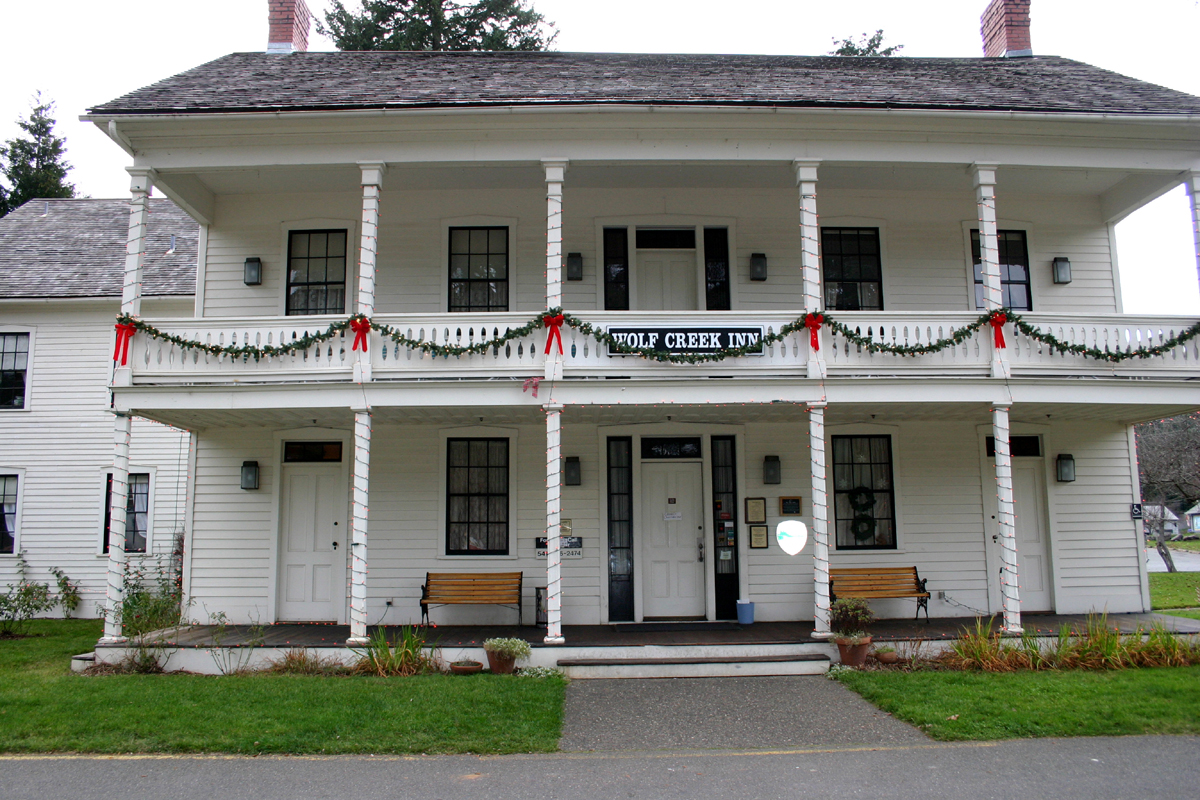
The stay: Nine guest rooms with private baths and continental breakfast included, at 100 Front St in Wolf Creek, a few hundred yards off I-5 in southern Oregon. Oregon State Parks lists overnight guests at $80–$120; booking sites show roughly $99–$119 total. The Wolf Creek Tavern on site serves breakfast, lunch, and dinner. Reserve at wolfcreekinn.com or 541-866-2474 — and note the season: the inn takes overnight guests February through December only, so January is out. Check-in is 3 PM, check-out 11 AM.
The history: Built in 1883 as a stagecoach stop on the Oregon Stage Coach line, Wolf Creek Inn is the oldest continuously operating hotel in the Pacific Northwest. Oregon State Parks bought it in 1975 and completed a historically accurate restoration in 1979. The guestbook reads like early-20th-century history: President Rutherford B. Hayes stayed at the predecessor lodge in 1880; Jack London spent the summer of 1912 here finishing The Valley of the Moon; Clark Gable, Carole Lombard, Mary Pickford, Orson Welles, John Wayne, and Sinclair Lewis all passed through.
The lore (reported): London’s preserved garret room — viewable, but not bookable — is said to be one of the most haunted spots in the building, with reports of his voice and his figure appearing. A female stagecoach driver is reported in the common areas, a young woman is heard singing in the hallways and glimpsed in the Clark Gable Suite, the parlor piano plays itself, furniture rearranges overnight, and kitchen staff report items flying off hooks. The inn itself, notably, does not promote the haunting — the stories come from guests and investigators, not the front desk.
The honest check: One popular identification does not hold up. The stagecoach-driver ghost is sometimes linked to One-Eyed Charlie Parkhurst, the famous woman stagecoach driver of the West — but Parkhurst died in 1879, four years before this inn was built. Whoever the common-room figure is said to be, it is not Charlie. We also left out a “vampire-like creature” claim that appears in exactly one low-credibility source and nowhere else.
5. McMenamins White Eagle Saloon & Hotel — Portland
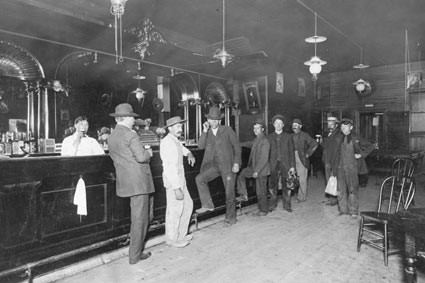
The stay: Eleven boutique rooms above a rock-n-roll saloon at 836 N Russell St in North Portland, with live music and pub fare downstairs. Recent listings cluster around $100 a night, with cheaper nights available. Two things to know before booking: the rooms use shared bathrooms, and there is no breakfast service — the only on-site dining is the saloon bar.
The history: The White Eagle opened in 1905, founded by Polish immigrants Bronislaw Soboleski and William Hryszko as a saloon and boarding house for railroad and dock workers. Bar fights gave the neighborhood the nickname “Bucket of Blood.” McMenamins restored the building in the 1990s, and it now runs as a music venue and hotel under its own tagline: “Echoing with tales of ghosts, mischief, and mayhem.”
The lore (reported): The White Eagle is regularly called one of the most haunted places in Portland. Room 3 is said to belong to Rose, a sex worker murdered after refusing a man’s marriage proposal. Room 2 is said to belong to Sam, a caretaker adopted by a former owner at age ten who spent his life at the White Eagle. Guests report a woman in white on the staircase, a phantom bouncer in the hallways, and coins found on floors — sometimes dropping from the ceiling. The basement draws the darkest reports: music with no source, freezer doors opening on their own, and unseen touches.
Told plainly: The basement lore is tied to a painful part of Portland’s history — the forced sex work, including of Black and Asian women, and the shanghaiing trade that ran through the old port district. We include that context because it is the history the stories come from, not as decoration. And one correction from the owners themselves: they state that no evidence has been found to corroborate the second-floor prostitution, gambling, or opium-den stories that tour lore repeats. The fights, the nickname, and the 1905 saloon are documented. The rest is reported.
6. The Heathman Hotel — Portland
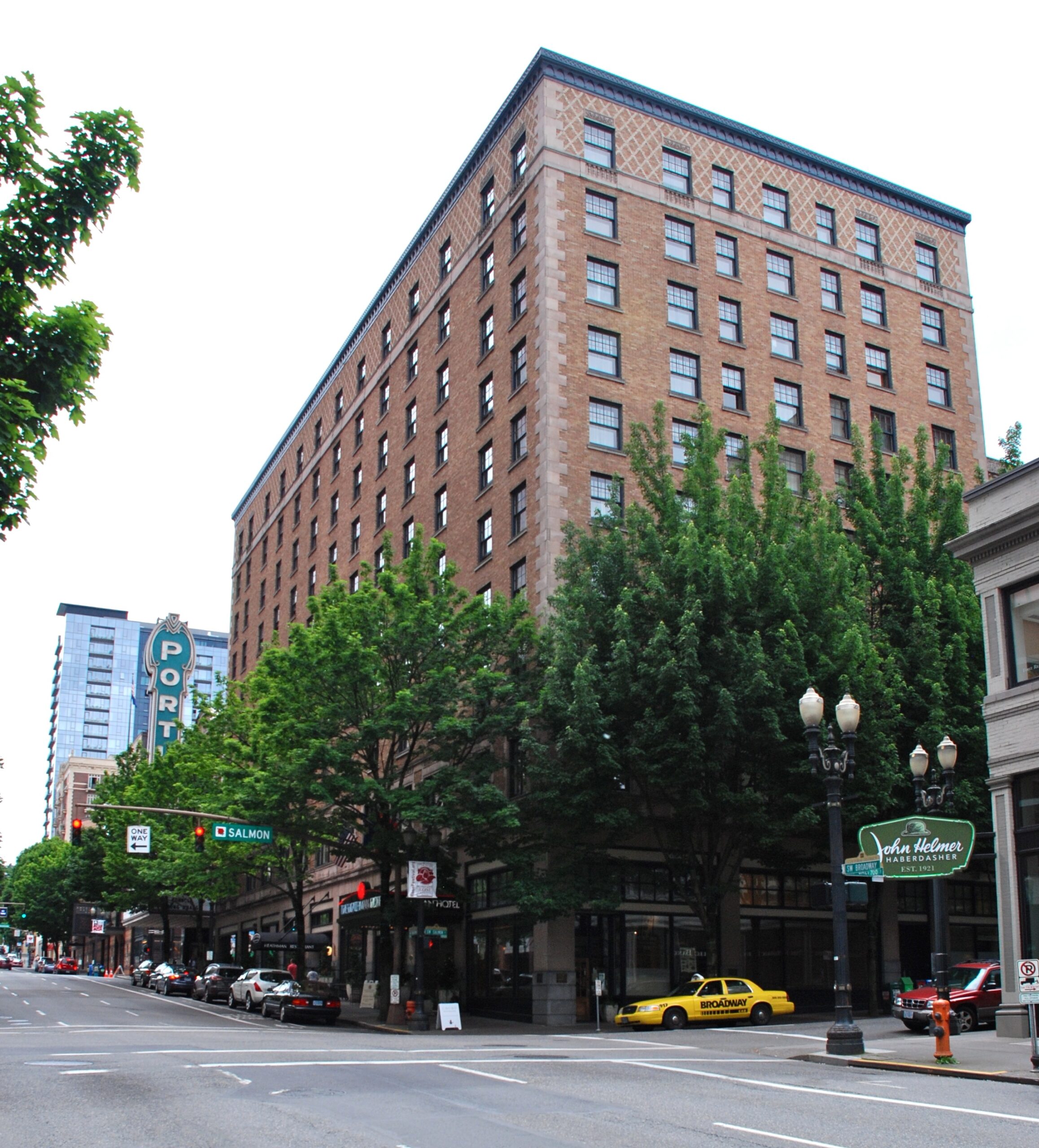
The stay: A luxury hotel at 1001 SW Broadway in downtown Portland, with 151 rooms, two restaurants, a bar, and a gym. Recent listings average around $200 a night, with off-peak deals well under that. Breakfast is not included — the buffet runs about $30 for adults and $18 for children.
The history: The Heathman was built in 1927 and has been a downtown Portland landmark ever since, completely restored and rebuilt in 1984 and renovated again in 2018.
The lore (reported): The Heathman’s ghost has a pattern: he favors rooms ending in 03. In Room 703, guests have reported finding their clean towels used, their furniture rearranged, and glasses of water taken away. In Room 803, one guest reported an apparition at the foot of the bed. Legend says a man jumped to his death from 803 and now haunts the rooms below it, re-creating his fall. Beyond the 03 pattern the case file is thin — this is a hotel with one specific, oft-repeated ghost story rather than a deep bench of them, and it is worth knowing that before you book a room ending in 03 on purpose.
7. Ashland Springs Hotel — Ashland
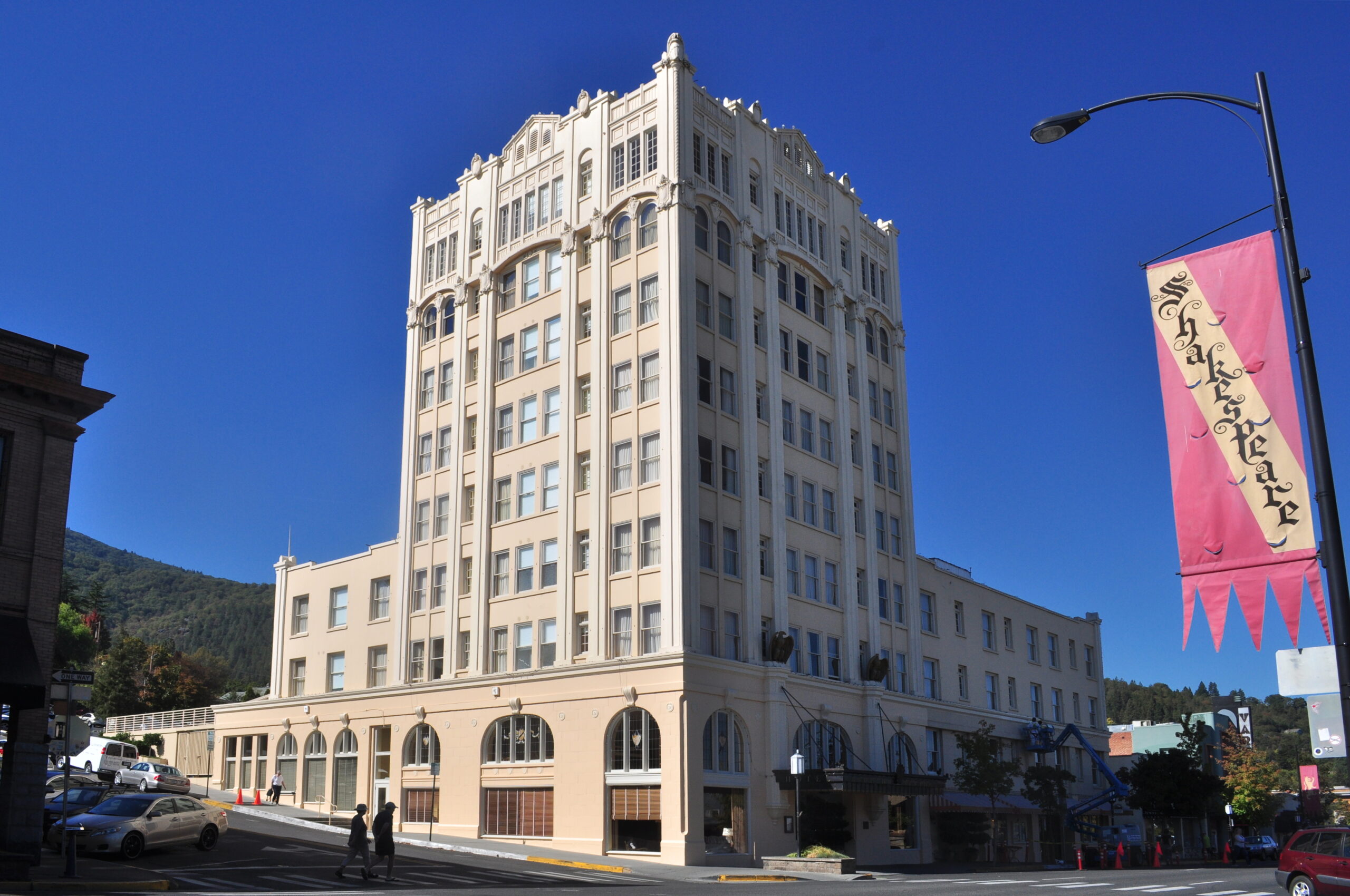
The stay: A restored boutique hotel at 212 E Main St in downtown Ashland, ten stories tall, with a restaurant, bar, spa, and gardens. Rooms run from around $221 before taxes. It is a natural base for the Oregon Shakespeare Festival — book early in festival season, when rooms fill months ahead.
The history: Built in 1925 as the Lithia Springs Hotel, to capitalize on Ashland’s famous mineral springs, it was for decades the tallest building between San Francisco and Portland.
The lore (reported): The hotel is said to have been built over a Native American burial ground, and a boy is said to have fallen from a window and died on the hotel’s opening day. Guests report quiet conversations in empty corridors, cold spots on the upper floors, and the sensation of someone standing near the bed. The owners, by several accounts, do not discuss the hauntings.
The honest check: Both founding claims — the burial ground and the opening-day death — are repeated across ghost lore, but we found no primary record for either. The lore’s print source is a brief reference in Kent Goodman’s 2009 book Haunts of Western Oregon, which is a reference to the stories, not a verification of them. The building and its 1925 opening are documented; the tragedies underneath the legend are not, at least not in any record we could find.
8. The Balch Hotel — Dufur (The One Where the Reputation Outruns the Record)
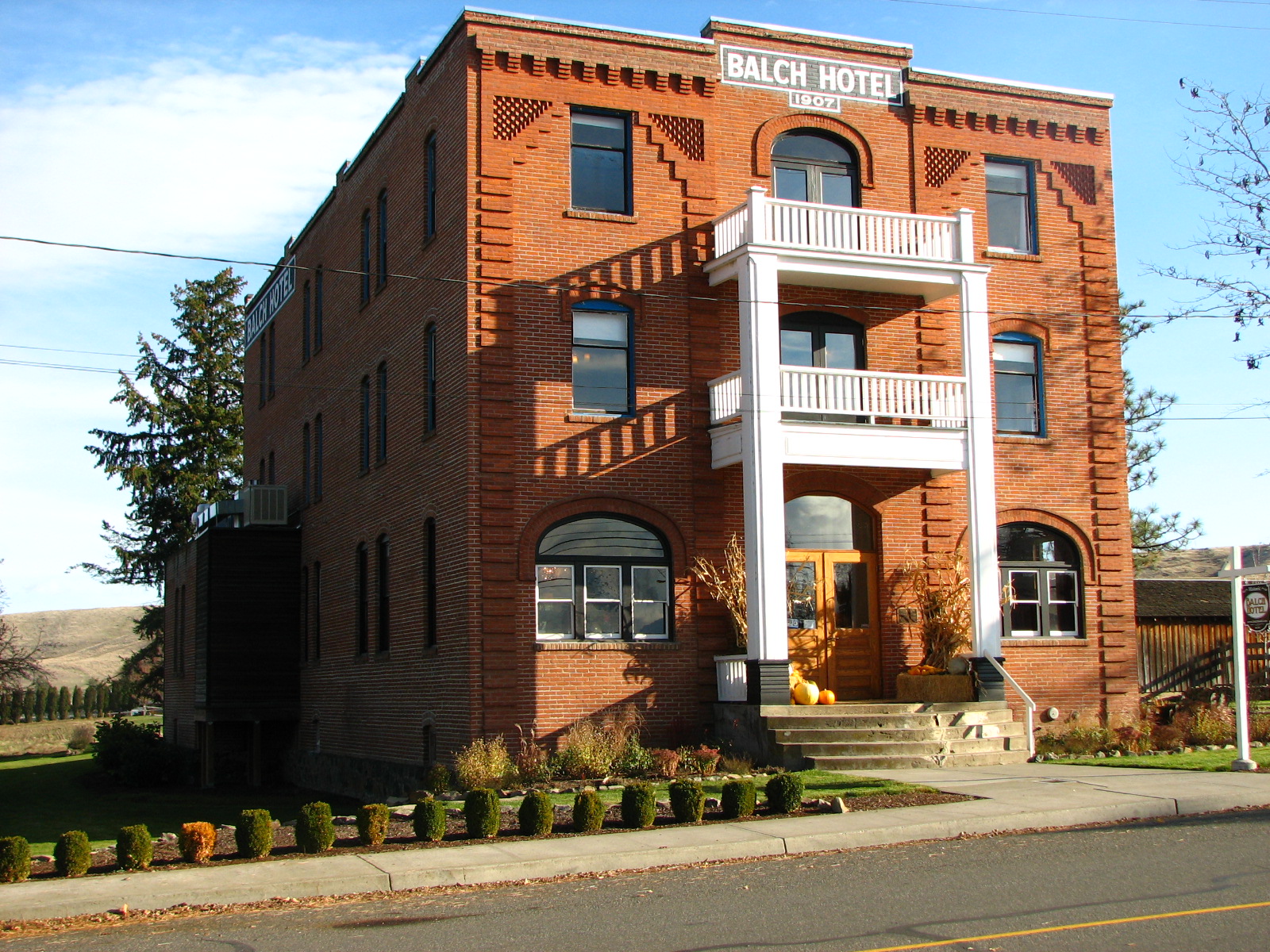
The stay: A vintage 1907 boutique inn at 40 Heimrich St in Dufur, a wheat-country town of about 640 people in the Columbia Gorge. Twenty rooms; traditional rooms with shared hall baths run about $143–$165 a night on the hotel’s own booking page, signature rooms with private baths about $258. The stay includes a handmade breakfast basket with locally roasted coffee and organic teas, and the hotel has Bistro 1907, a spa sanctuary, gardens, a meditation pond, and Mt. Hood views. Guests are 12 and up, check-in is 3 PM, check-out 11 AM, and parking and Wi-Fi are free.
The history: The Balch was built in 1907 and opened in 1908, sited near the stagecoach stop on the Barlow Road section of the Oregon Trail, to serve Great Southern Railroad passengers. It was built for Dufur businessman and rancher Charles Balch, and has since served as a motel, a boarding house, and a private residence before its current life as an inn.
The lore — or rather, the lack of it: The Balch appears on haunted-hotel directories, and every Halloween it hosts a staged “Haunted Hotel” event. But we found no specific ghost reports for this property at all: no named ghost, no room, no incident. One guest review sums it up — the place “has a reputation,” but their night was “free from hauntings.”
Why the confusion exists: The famous Balch ghost story belongs to a different Balch property entirely. Danford Balch, his daughter Anna, and the hired hand Mortimer Stump are the ghosts of the Witch’s Castle site in Portland’s Forest Park — the Balch family cabin — where Danford Balch was hanged in 1859 in Oregon’s first legal execution. That story is real folklore, and it is a hundred miles from Dufur. Directory listings appear to have conflated the two Balches, and the reputation stuck. We include the Balch Hotel here anyway, because it is a beautiful historic stay in a town most travelers never stop in — and because a haunted-hotels list that only repeats legends would be doing you a disservice. Book it for the Mt. Hood sunrise and the breakfast basket. If a ghost shows up, you will be the first to report one.
Planning a Haunted-Hotels Trip Through Oregon
The eight stays trace a natural loop. Start in Portland with the White Eagle and the Heathman, then head east through the Gorge to Edgefield in Troutdale and the Balch in Dufur. From there, cut to the coast for a night at Heceta Head, then south down I-5 for Wolf Creek Inn and Ashland Springs — and if you have the time, finish east in Baker City at the Geiser Grand, where the gold-rush history is worth the drive on its own. If you only have one weekend, pick a pair: Edgefield plus the White Eagle for a Portland-area ghost weekend, or Wolf Creek plus Ashland Springs for a southern Oregon run.
For the wider Oregon picture, our 12 haunted places in Oregon guide covers the state’s haunted sites beyond hotels, and if this list gives you the bug for bookable stays, our Washington haunted hotels guide runs the same playbook across the Columbia. Portland visitors should also see our Portland walking tour, which puts the White Eagle’s neighborhood in its full, rough-edged context.
Frequently Asked Questions
Which Oregon haunted hotel is the most haunted?
By volume of reports, the Geiser Grand and the White Eagle lead — but the Geiser’s named ghosts fail the record check, and the White Eagle’s best stories are tour lore the owners partly dispute. The most consistently reported, least disputed haunting may be Heceta Head’s Grey Lady, reported by keepers and guests since the 1950s.
Can I stay in the actual haunted rooms?
At the Geiser Grand, room 302 is a bookable room. At the White Eagle, Rooms 2 and 3 are bookable. At the Heathman, ask for a room ending in 03 if you want the full experience. At Wolf Creek Inn, Jack London’s preserved room is viewable but not bookable — you can peer in, not sleep there.
Are all of these hotels open year-round?
Seven of the eight are. The exception is Wolf Creek Inn, which takes overnight guests February through December only — January overnights are not available.
Do the hotels themselves admit they are haunted?
It varies, and the variation is telling. The Geiser Grand leans into it with its own ghost tours. The White Eagle puts ghosts in its tagline. Wolf Creek Inn does not promote its haunting at all. Ashland Springs’ owners reportedly do not discuss it. And the Balch Hotel claims nothing — its reputation came from directories, not from the inn.
Which one should I book first?
For a first haunted-hotels trip, start with Edgefield: it is the easiest stay, the most resort-like, and the ghost lore comes with a lobby log you can read over a pint. For the strongest single ghost story, book Heceta Head — six rooms, a seven-course breakfast, and a Grey Lady with seventy years of reports.
Keep exploring
8 Haunted Hotels in Washington State You Can Book Tonight
Plenty of haunted places will sell you a ghost tour. Far fewer will hand you a room key. Every hotel on this list is a real,…
Read story →
8 Haunted Ghost Towns of the Pacific Northwest
The Pacific Northwest is studded with towns that boomed on gold, coal, and wool — and died when the ore ran out, the railroad moved on,…
Read story →
Haunted Portland Walking Tour: 8 Stops (Self-Guided)
Portland keeps its ghosts close to the sidewalk. In about three miles of flat downtown walking — from the old shanghaiing waterfront of Old Town to…
Read story →