8 Haunted Ghost Towns of the Pacific Northwest
The Pacific Northwest is studded with towns that boomed on gold, coal, and wool — and died when the ore ran out, the railroad moved on,…
Reader’s note: supernatural accounts are presented as folklore and reported experiences, not established fact.
The Pacific Northwest is studded with towns that boomed on gold, coal, and wool — and died when the ore ran out, the railroad moved on, or the mountain came down. Eight of them carry haunting traditions worth taking seriously, and every one earns its place here twice: once for documented history, once for reported folklore. We’ll always tell you which is which — including the ghost whose origin story is a documented workplace joke.
These are not a single route. The five Washington towns run roughly north to south through the Cascades and central Washington; the three Oregon towns are separate trips into central and eastern Oregon. Treat each as its own expedition, and read the visitor notes — half of these places are at the end of a trail or a Forest Service road.
1. Monte Cristo, Washington — end of Monte Cristo Road, Snohomish County
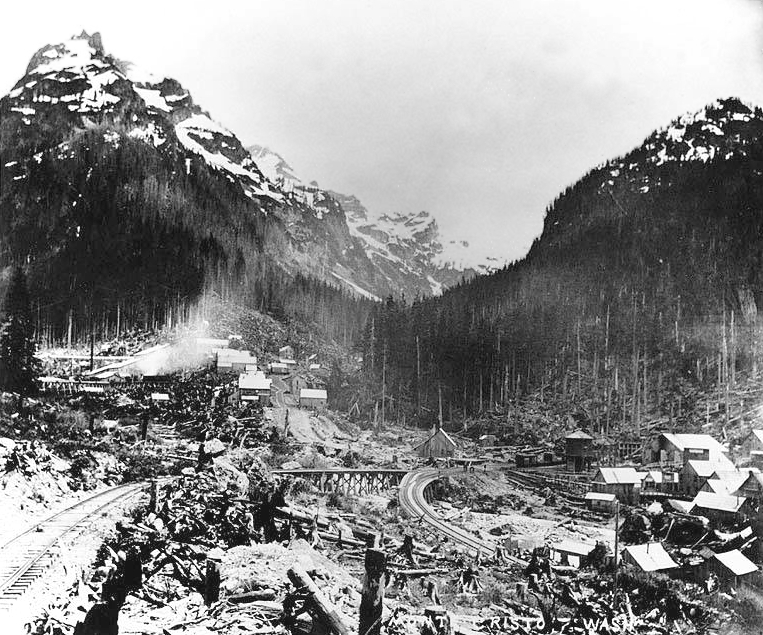
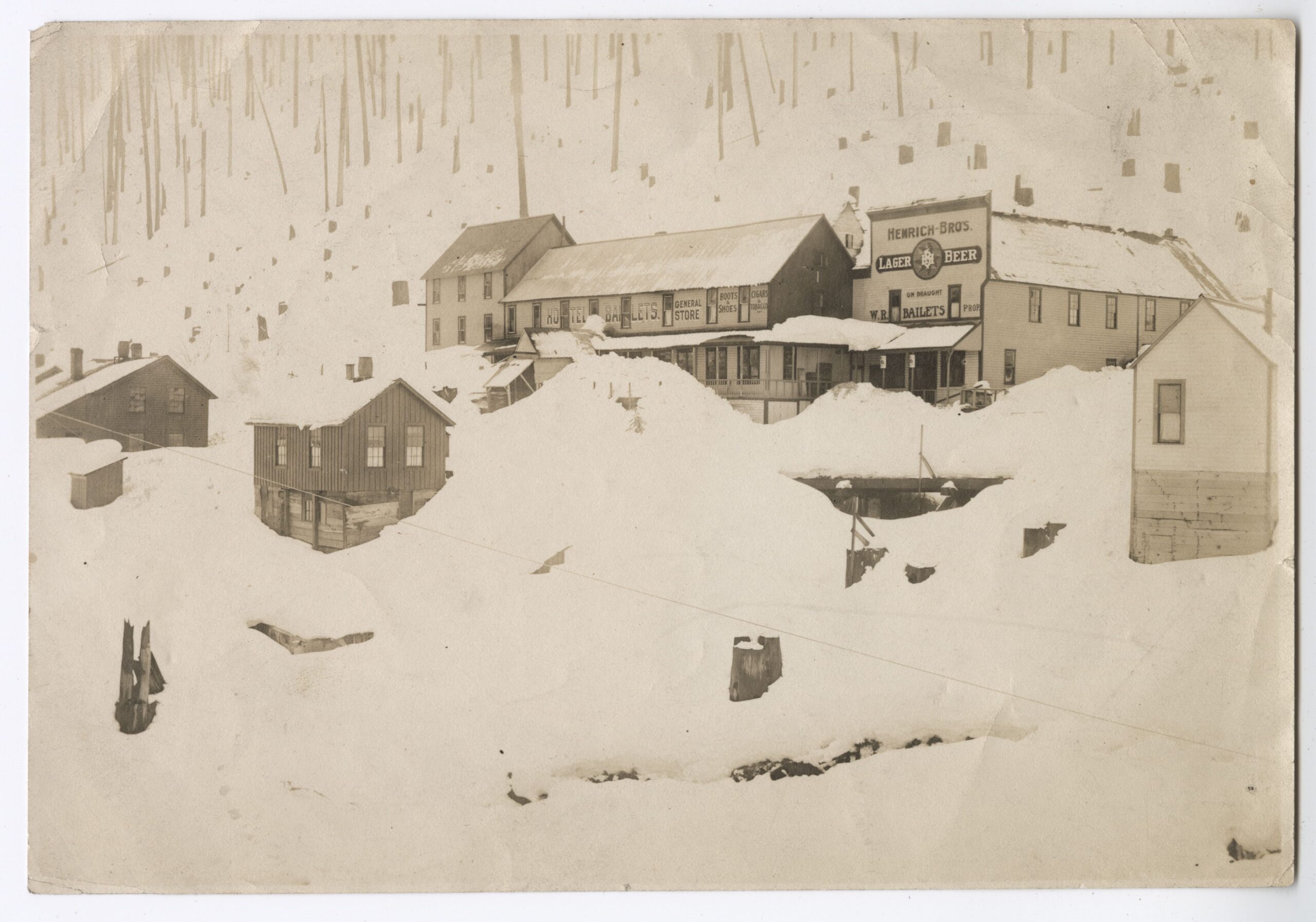
Gold and silver were discovered here in 1889, and the town appeared almost overnight — peaking near 1,000 residents in the 1890s with hotels, saloons, a post office, a school, and a railroad blasted through the mountains to Everett to haul ore. The money behind it included John D. Rockefeller — and Frederick Trump, the president’s grandfather, who built and ran the Royal Hotel and an alleged brothel. Floods in 1896 and 1897 crushed the town; ore production stalled and ceased by 1907; the last townspeople left by the 1920s. Later resort attempts failed.
The lore: local ghost stories cluster on the burned-down Monte Cristo lodge and the former Trump hotel. Visitors report unexplained sounds — the distant clanging of picks and shovels with no one working — and apparitions of miners near the old structures. Hiker and visitor reports, local legend; the identities are unverified.
Visit: Reachable only by hiking — about 4 miles each way (8 round trip, moderate) from the Barlow Pass trailhead on the closed, flood-damaged Monte Cristo Road. Expect stream crossings, mud, and washouts; a Washington Forest Pass is required for trailhead parking. The Monte Cristo Preservation Association maintains interpretive signs. Summer through early fall only — the trail is snowbound much of the year. What remains: building foundations, rusting mining equipment, 1920s resort cabins.
2. Wellington (Tye), Washington — Iron Goat Trail, off US-2 near Skykomish
Established in 1893 as a Great Northern Railway helper station at Stevens Pass. In late February 1910, a nine-day blizzard buried the Cascades — up to a foot of snow per hour, eleven feet in a single day. Two trains, the Seattle Express from Spokane and a fast mail train, were trapped at the Wellington depot. Just after 1 a.m. on March 1, 1910, a lightning strike released a half-mile slab of snow that swept both trains 150 feet down into the Tye River valley. Ninety-six people were killed; 23 survived — the deadliest avalanche in U.S. history. (Some travel pieces say “over sixty.” The documented figure is 96.) The town was renamed Tye in 1910 and died for good when the new Cascade Tunnel bypassed it in 1929. Today: concrete foundations, the abandoned tunnel, a cathedral-like concrete snowshed built after the disaster, and interpretive plaques.
The lore, handled with the restraint 96 real deaths demand: the Travel Channel named the Iron Goat Trail one of the scariest hikes in America, citing “continuous reports of paranormal activity” attributed to the avalanche victims’ ghosts. The trail’s own historical guide says “ghost stories abound here, with many hikers reporting strange feelings or unexplained phenomena — perhaps echoes of the tragic events that unfolded over a century ago.” Hiker reports and trail legend — no more, no less.
Visit: The Iron Goat Trail is about 6 miles on the old railroad grade in Mount Baker-Snoqualmie National Forest, starting at the Martin Creek trailhead off US-2 east of Skykomish. Northwest Forest Pass required. Best May through October; the upper trail can hold snow late. Stay on the trail; do not enter the old tunnel or climb on ruins. No services at the trailhead beyond parking.
3. Liberty, Washington — off US-97 near Blewett Pass, Kittitas County
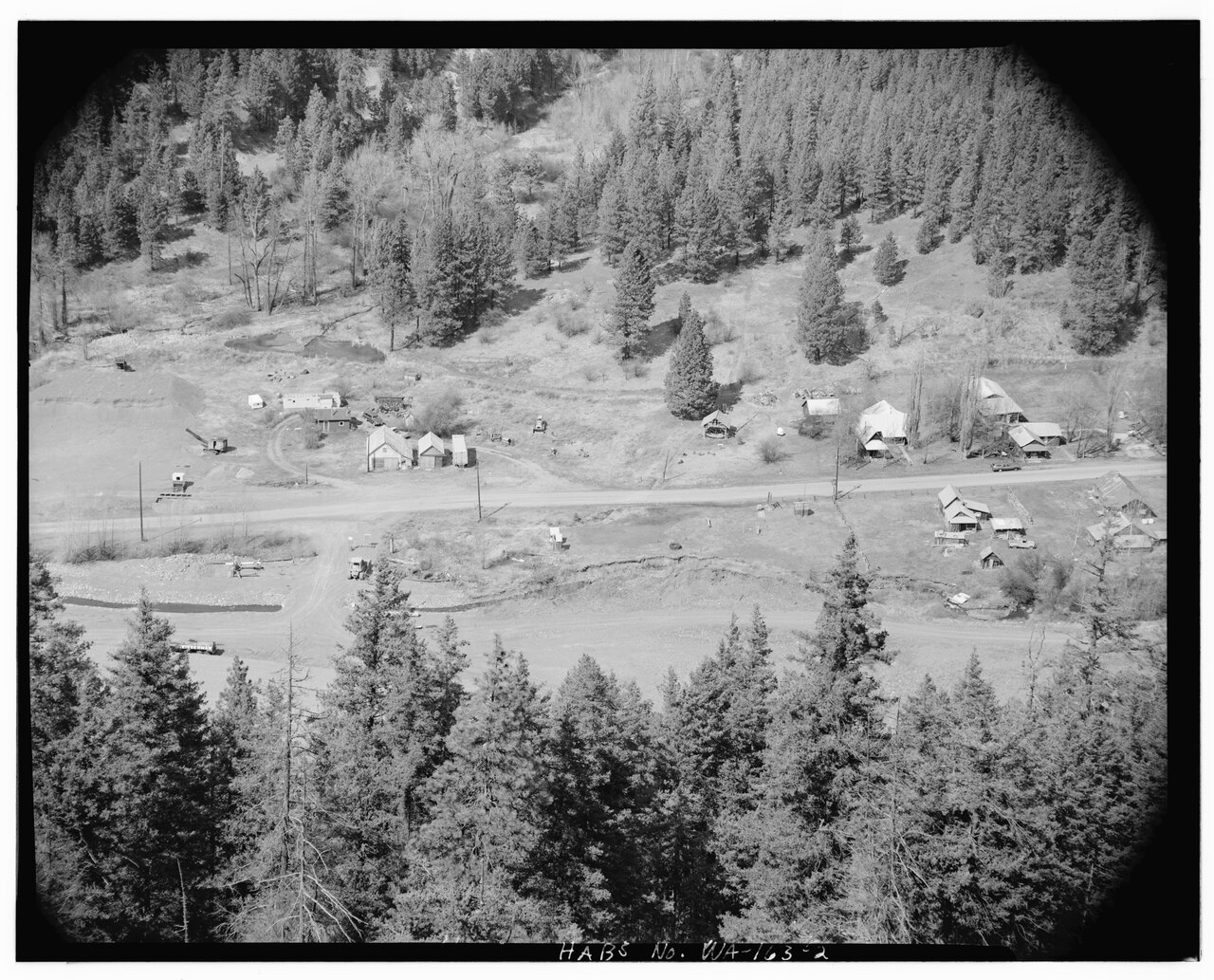
Born in the 1870s with the Swauk Creek gold discovery — notable for rare crystalline “wire” gold — Liberty is Washington’s oldest mining town. Originally called Meaghersville after miner Thomas Meagher, it was renamed Liberty in 1916. Mining continued into the 1960s, and the townsite was listed on the National Register of Historic Places in 1974. Still inhabited by about a dozen residents with small-scale mining continuing, it’s Washington’s “living ghost town.”
The lore comes with the strongest sourcing of any haunting on this list — a named resident, on the record. In an October 2023 Northwest News Network story, Wes Engstrom — then 91, the town’s oldest living resident and its local historian — said: “We have a few ghosts down there in the old house. Well, Mamie Caldwell lived in this house and built this house down below. And, yeah, she sometimes shows up in the closet down there. And there’s a few up in the mountain there.” One longtime resident’s own account — which is exactly what keeps Liberty in this article.
Visit: One of the easiest ghost towns to visit — right off the main road, free, with on-site parking and a public restroom. Start at the firehouse: step inside, sign the visitor log, see the mining photos. But residents live here — stay on public areas, don’t peer into occupied cabins, and respect that this is a community, not a museum set.
4. Franklin, Washington — Green River Gorge Conservation Area, near Black Diamond
Coal-mining company town founded in the 1880s around the Oregon Improvement Company mine. On August 24, 1894, a fire — which appeared to have been intentionally set — filled the mine with smoke; 37 miners suffocated, one of Washington’s worst mine disasters. The mine operated nearly 25 more years, but coal demand collapsed, mining ceased by 1919, and the town of 1,100 — hotel, school, two saloons — emptied out. Today in the Green River Gorge Conservation Area: stone foundations, the powerhouse ruin, a rusting “Franklin”-branded coal cart at the trailhead, the sealed 1,300-foot-deep No. 2 mine shaft, and a quiet hillside cemetery where disaster victims are buried.
The lore is thin but present, and honesty requires saying so: locals report cold spots, shadows, and unexplained noises around the ruins and cemetery, though paranormal investigations haven’t confirmed anything. The documented 1894 tragedy is the real weight here — 37 men, treated with respect, never as spooky set dressing.
Visit: An easy, short walk — about a mile to the cemetery on an old railroad grade, kid-friendly in daylight. The route begins near Black Diamond; parking is a small pullout — heed no-parking and tow-away signs. The trail crosses private land before reaching King County property: follow posted signs and stay on the path. Can be muddy and buggy; bring repellent in summer.
5. Govan, Washington — off US-2 near Wilbur, Lincoln County
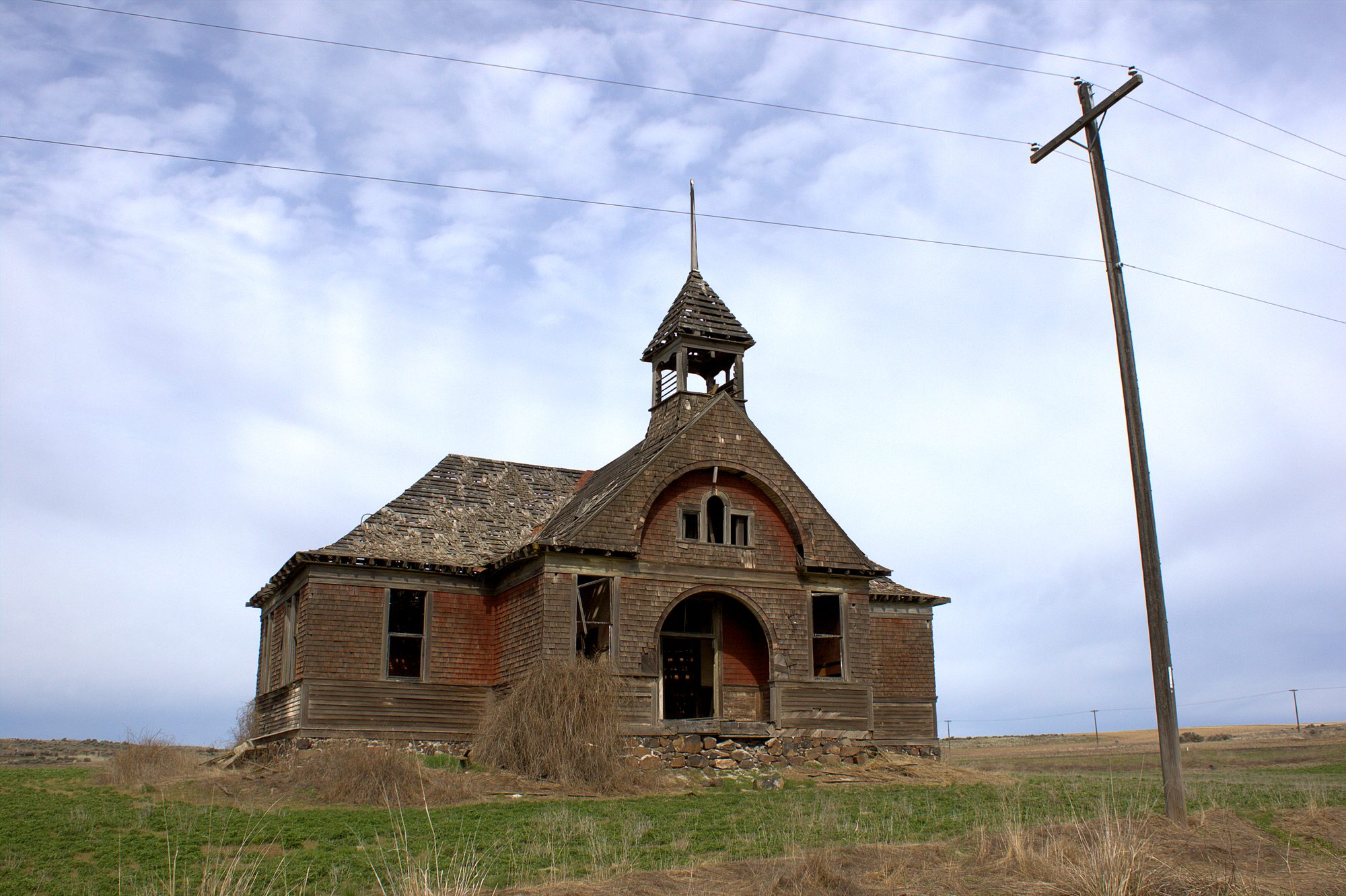
Founded in 1889 as a Central Washington Railway station, Govan boomed when a large sandbank was found for railroad construction, reaching about 76 residents by 1898. The two-room schoolhouse went up in 1905 and closed in 1942. Fires in 1927 and 1974 gutted the commercial district; the highway bypass finished the town, and the post office closed in 1967. Population: 3 as of 2019. The dark core of Govan’s story is documented fact, stated briefly: in December 1902, Judge J.A. Lewis and his wife Penelope were murdered with an axe in their home — called at the time “one of the most atrocious murders in the history of the state” — never solved. A saloon killing followed in 1903; in 1941 a woman was found murdered on her farm while her son went missing, his body found in nearby fields eight years later.
The lore layers investigator and visitor reports over those documented murders: Govan appears in paranormal investigator Ross Allison’s haunted-Washington territory, and the abandoned schoolhouse — its steeple toppled in 2019 — is the reported hotspot, the subject of a dedicated “Ghosts of Govan” investigation. Reports, not records.
Visit: A dusty detour directly off US-2, accessible year-round — one of the easiest stops. The schoolhouse, post office, and grain elevator are viewable from the road. Do not enter the structures: integrity is dubious and the site has had vandalism issues. Photograph from outside.
6. Shaniko, Oregon — US-97, Wasco County
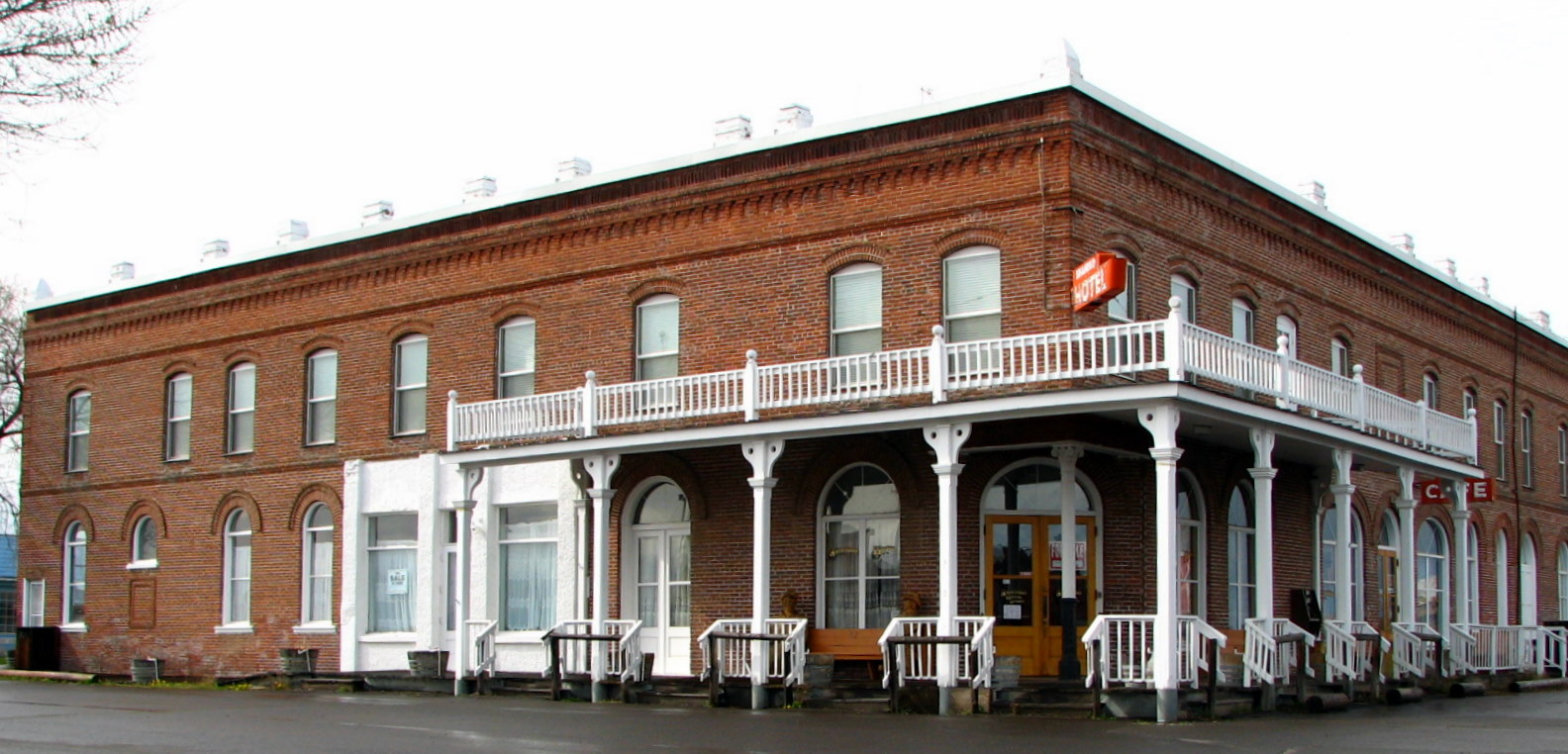
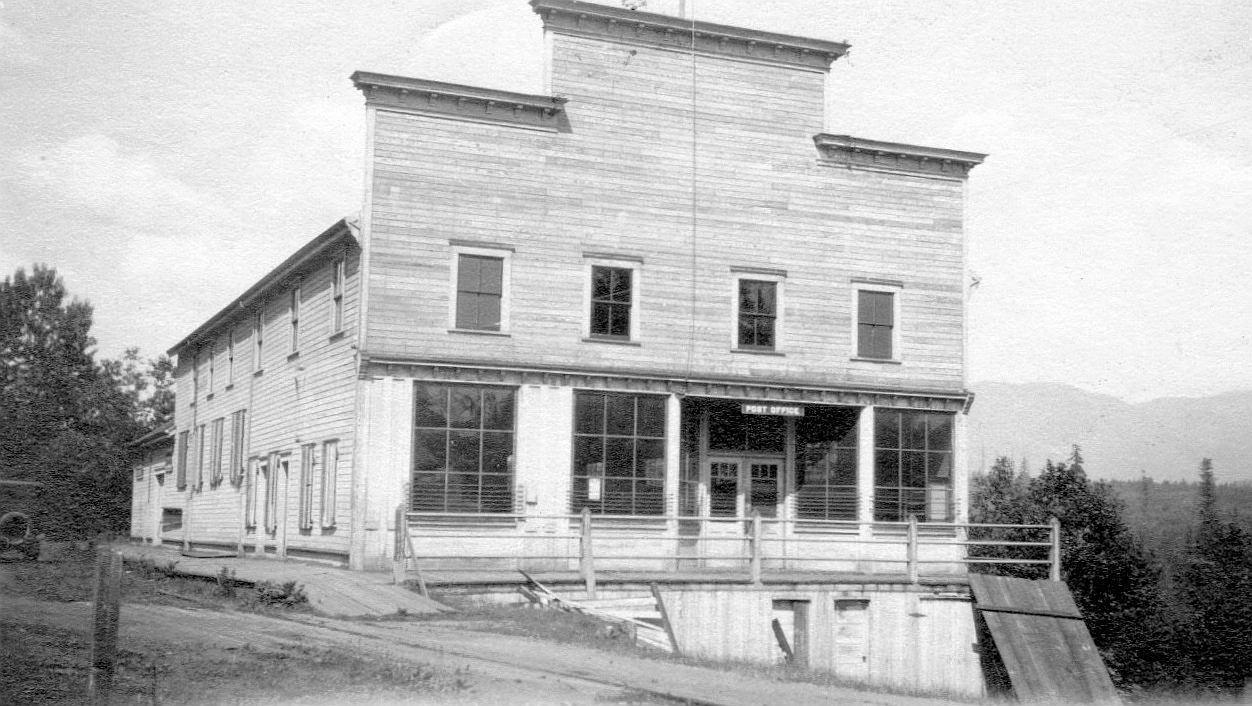
Began as the Cross Hollow post office in 1879, reborn as Shaniko in 1900 as a Columbia Southern Railway wool-and-grain shipping hub. In 1903 it was called the “Wool Capital of the World” — over 2,000 tons of wool shipped, worth about $3 million; 1904 sales hit $5 million. Killed by a rival railroad route diverting traffic in 1911, two business-district fires, the end of passenger rail in the early 1930s, and full line closure in 1966. It was already being called a ghost town at the 1959 Oregon Centennial Exposition. The anchor is the Columbia Southern Hotel (built 1902, on the National Register since 1979): restored and reopened in 1988, closed in 2008, and reopened in August 2023 under a nonprofit fire association.
The lore: the Shaniko Hotel’s ghosts are named in visitor lore — Nettie, a woman said to have taken her own life in one of the rooms, and Amelia, a 4-year-old girl whose toy ball reportedly moves up and down the hallways on its own. Creaky floors and dim hallways do the rest. Guest and local reports; no verifiable records attach to either name.
Visit: The easiest ghost town on this list — right on US-97, no hiking, no fees. Businesses run seasonally, roughly April through September; Shaniko Days festival in early August. The hotel is operating again. The Sage Museum, old jail, school, and wool warehouse are walkable in an hour.
7. Sumpter, Oregon — Sumpter Valley Dredge State Heritage Area, Baker County
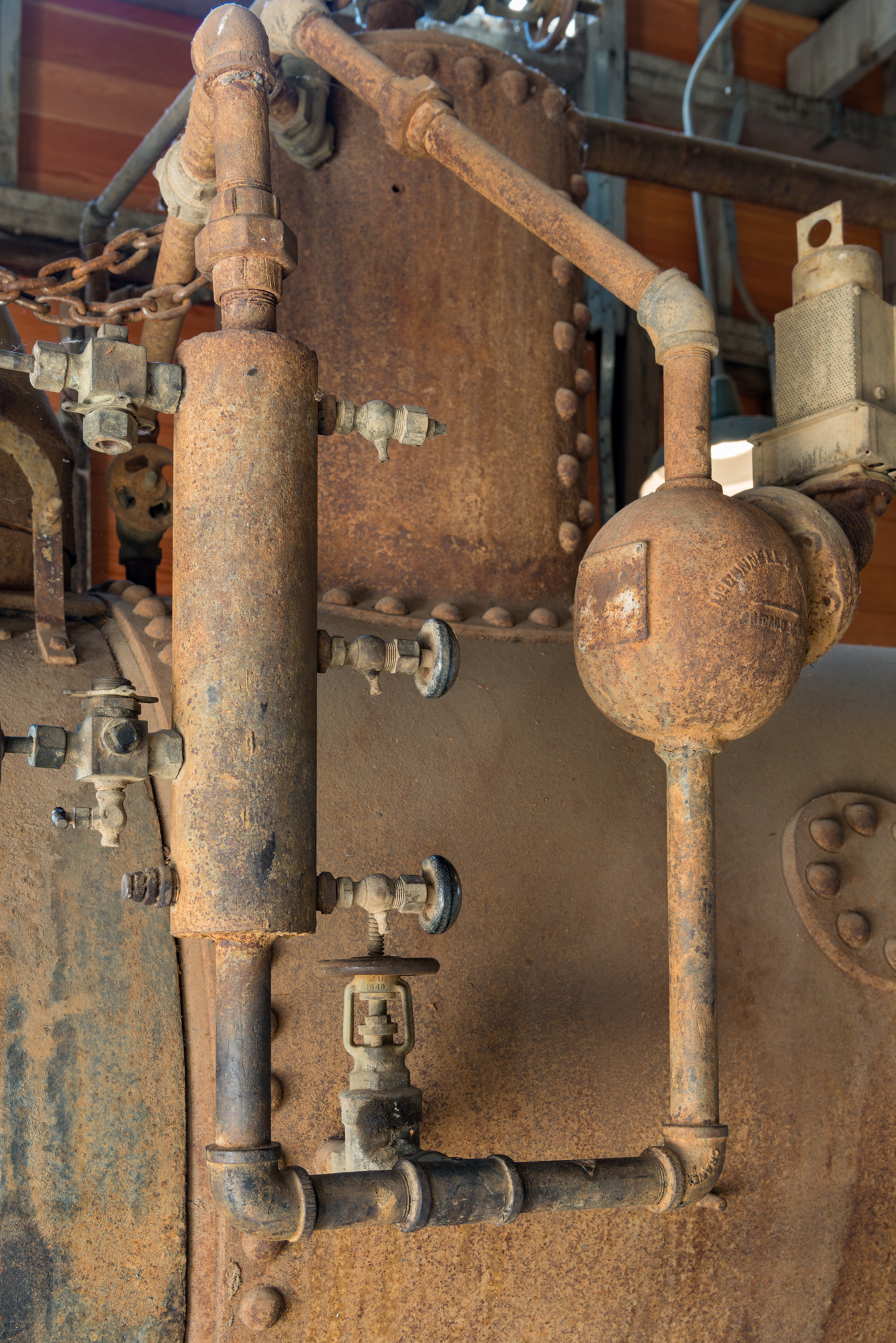
Three gold dredges worked the Sumpter Valley between 1912 and 1934; the surviving Sumpter No. 3 was built in 1935 — a 1,250-ton floating factory with 72 one-ton buckets digging 20 buckets a minute. A 20-man crew ran it 363 days a year, with only the Fourth of July and Christmas off. It recovered over $4 million in gold before shutting down in 1954, when operating costs exceeded the take. Now the centerpiece of a state heritage area.
The lore — and the debunk this article prints proudly, because it’s the Atlas brand at its best. The dredge is said to be haunted by Joe Bush: wet, bare footprints appearing on dry decks, flickering lights, doors opening on their own, tools moved, a low laugh between the chains. Now the honest half: 1940s dredge employee Wes Dickson said on the record, “it all started as a joke, and I’d blame George Hansen” — a coworker who blamed “Joe Bush” for everything that went wrong on the dredge. The name appears in no company records. A separate thread: in 1918, oiler Chris Rowe was crushed in the gearbox of Sumpter No. 1, and local telling holds his spirit moved into dredge No. 3 along with salvaged equipment. Three layers — the legend, the joke-origin, the Rowe coda — clearly labeled.
Visit: The state park is open May 1 through October 31, 8 a.m. to 7 p.m. daily; admission is free, with guided tours, gold-panning lessons, and weekend programs. Reach it from John Day via Highway 26. Sumpter town has the Sumpter Valley Railroad excursion train on select weekends. Winter closes the mountain roads — summer is the reliable window.
8. Golden, Oregon — Golden State Heritage Site, near Wolf Creek, Josephine County
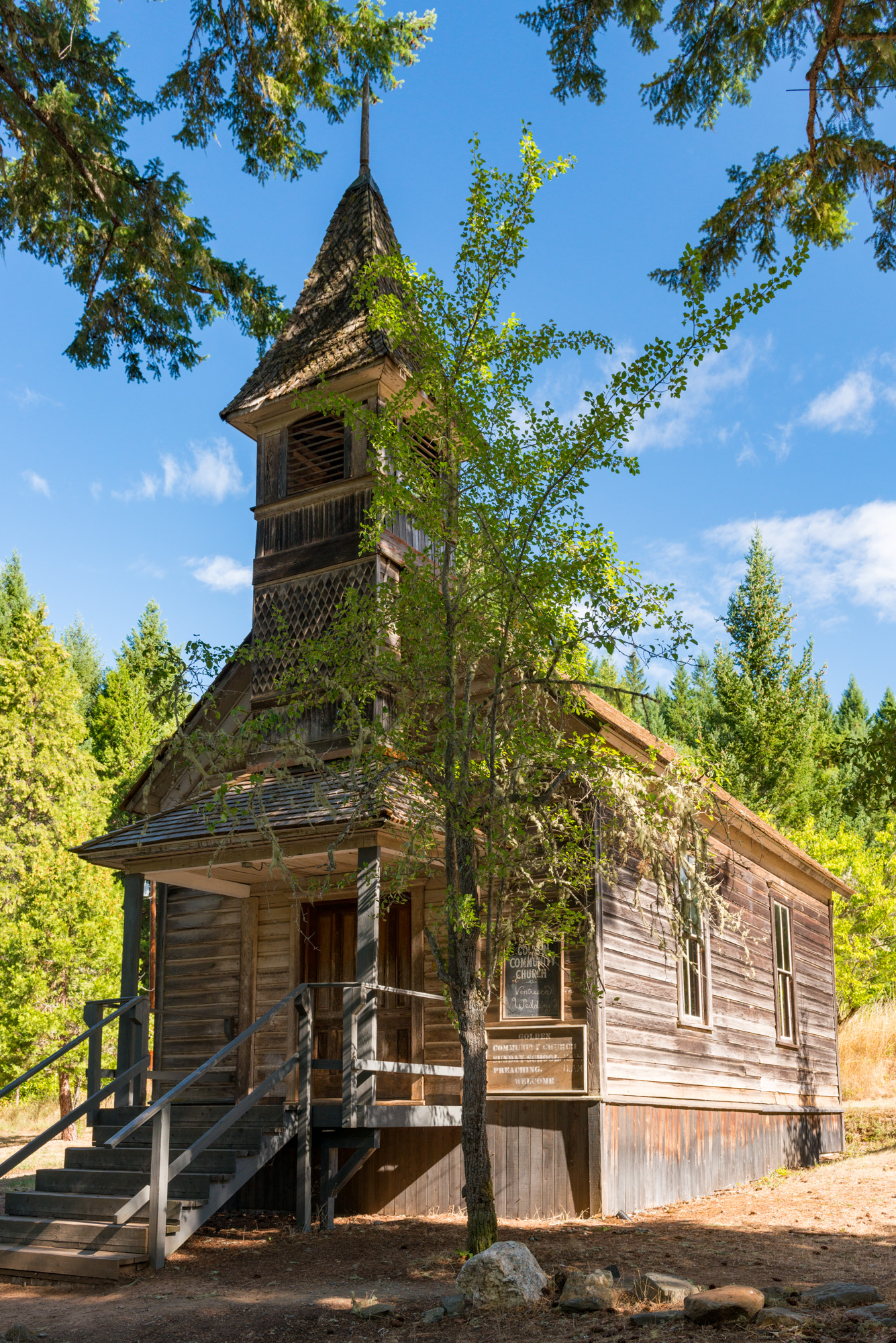
Gold was found on Coyote Creek in the 1840s; hydraulic mining arrived in the 1880s, and by 1892 over 150 people lived along the creek. Founded as a town by William Ruble, a priest who banned alcohol and prostitution — Golden had two churches and no saloon, nearly unheard of in a mining camp. The post office ran 1896–1920; the church was rebuilt in 1950, and the store, carriage house, and homes still stand. Golden Historic District went on the National Register in 2002; it’s been an Oregon State Heritage Site since 2011.
The lore: Golden was featured in a 2017 Ghost Adventures episode investigating claims around the church, and broader visitor lore tells of shadows, strange sounds, and unease around the school, church, and general store. TV-driven and visitor-reported claims, framed as such. And the honest footnote the Atlas lives for: the wooden headstones by the church are not graves — they’re props left behind when Gunsmoke filmed here.
Visit: A state heritage site, open to the public and free; the church welcomes visitors. An easy stop off I-5 near Wolf Creek and Grants Pass — pair it with the Wolf Creek Inn. Summer tours of the buildings run through Oregon Parks and Recreation. No services in Golden itself; fuel up in Grants Pass or Wolf Creek.
Frequently Asked Questions
What’s the best time of year to visit these ghost towns?
Summer through early fall. The mountain towns — Monte Cristo, Wellington, Sumpter — are snowbound much of the year; the Sumpter dredge park runs May through October, and Shaniko’s businesses open roughly April through September. The low-elevation stops (Franklin, Govan, Liberty, Golden) are accessible nearly year-round, though Franklin’s trail gets muddy.
Which ghost towns are the easiest to reach?
Shaniko (right on US-97), Govan (a detour off US-2), Liberty (off US-97 near Blewett Pass), and Golden (a state heritage site off I-5) need no hiking. Franklin is a short, easy walk. The expeditions are Monte Cristo (8-mile round-trip hike) and Wellington (6-mile trail).
Are any of these towns on private land?
Mostly public. Franklin’s trail crosses private land before reaching King County property — follow posted signs and stay on the path. Liberty is an inhabited community: stick to public areas and don’t peer into occupied cabins. At Govan, view the schoolhouse from outside; the structures are unstable.
What should I bring?
Water, layers, and offline maps — cell service is spotty or nonexistent at Monte Cristo, Wellington, Govan, and Sumpter. Sturdy boots for Franklin (mud) and Monte Cristo (stream crossings). Never enter abandoned mine shafts or tunnels: unstable timbers, bad air, and hidden drops kill people every year.
Are ghost towns family-friendly?
The easy ones are: Shaniko, Golden, and the Sumpter dredge are great with kids (the dredge tour is a hit). Franklin’s short walk works for little legs in daylight. Monte Cristo’s 8-mile hike suits older kids; Wellington’s 6-mile trail is doable for sturdy walkers. Govan is a roadside photo stop.
Keep exploring
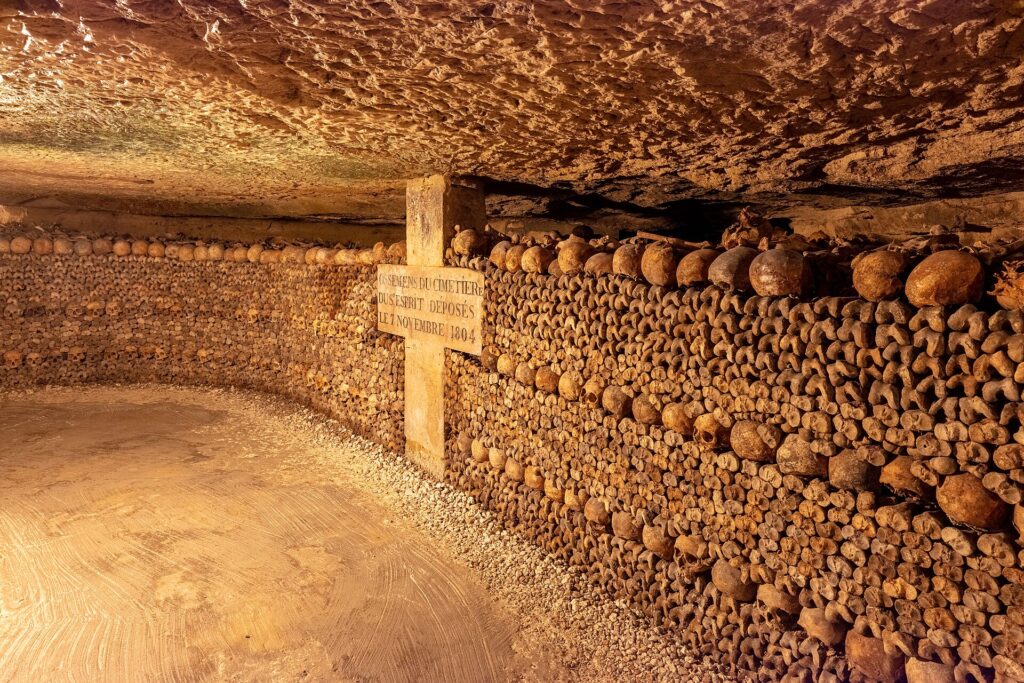
The Paris Catacombs: History, Hauntings & How to Visit
Twenty metres beneath the streets of Paris, in tunnels the city dug to build itself, lie the bones of more than six million Parisians — stacked…
Read story →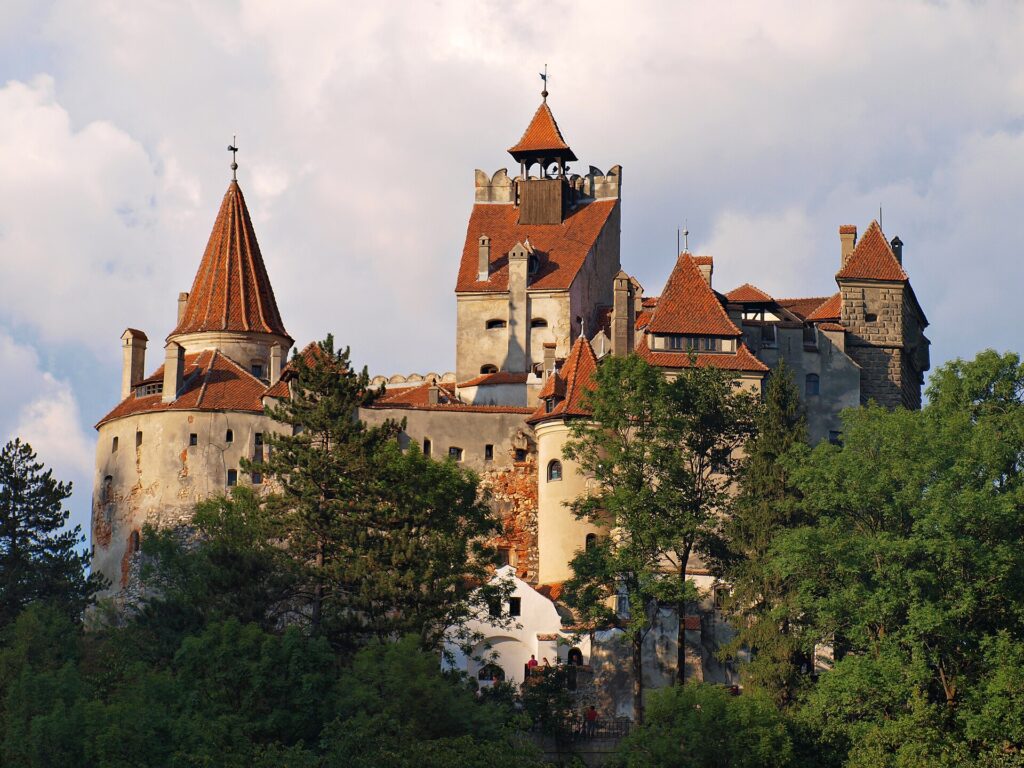
8 Haunted Places in Transylvania (Historic Guide)
Transylvania is the most famous haunted address on earth — and the place where the Atlas rule matters most. The Dracula story everyone arrives with is,…
Read story →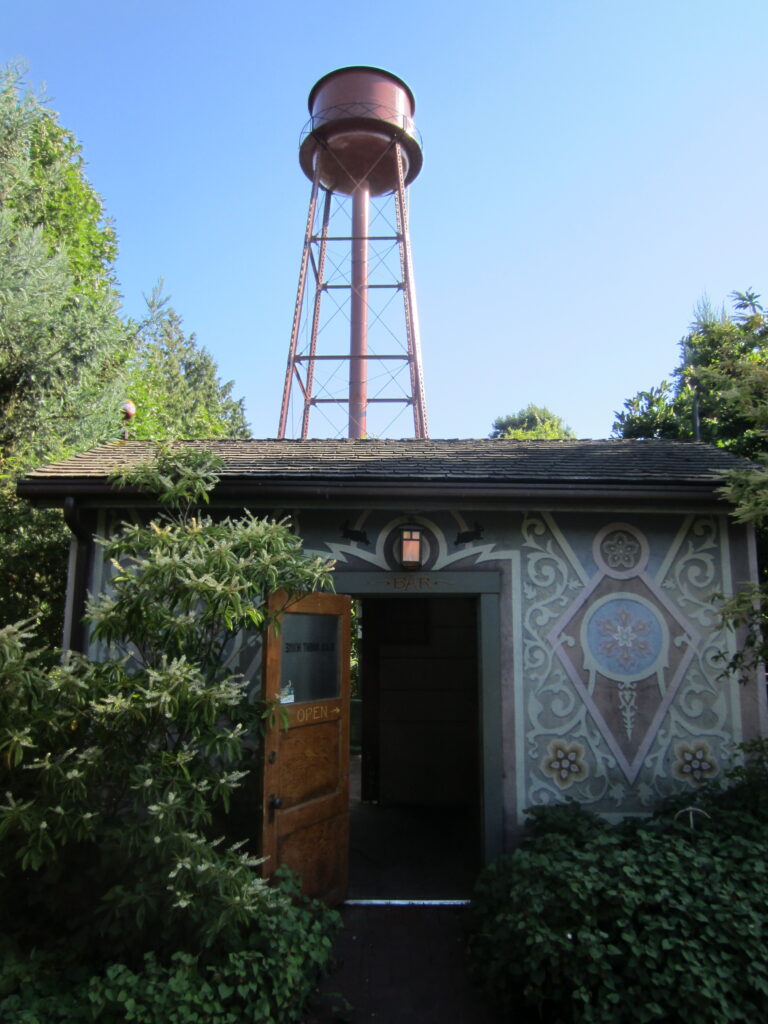
8 Haunted Hotels in Oregon You Can Actually Book (Historic Guide)
Oregon's ghost stories are easy to visit and hard to sleep in — in the best way. This list is different from a roundup of haunted…
Read story →