12 Haunted Places in Edinburgh (Historic Guide)
The Haunted Atlas goes international. Edinburgh has a serious claim to the most haunted square mile in the world — a royal castle on a volcanic…
Reader’s note: supernatural accounts are presented as folklore and reported experiences, not established fact.
The Haunted Atlas goes international. Edinburgh has a serious claim to the most haunted square mile in the world — a royal castle on a volcanic rock, a kirkyard with a documented poltergeist, plague closes sealed beneath the streets, and pubs where the ghost stories come with the ale. Twelve stops, all verified: the history is documented, the hauntings are reported folklore, and we’ll always tell you which is which — including the famous legends the historical record contradicts.
The first ten stops form a walkable west-to-east route through the Old Town; the last two are short trips out of the centre.
1. Edinburgh Castle — Castlehill
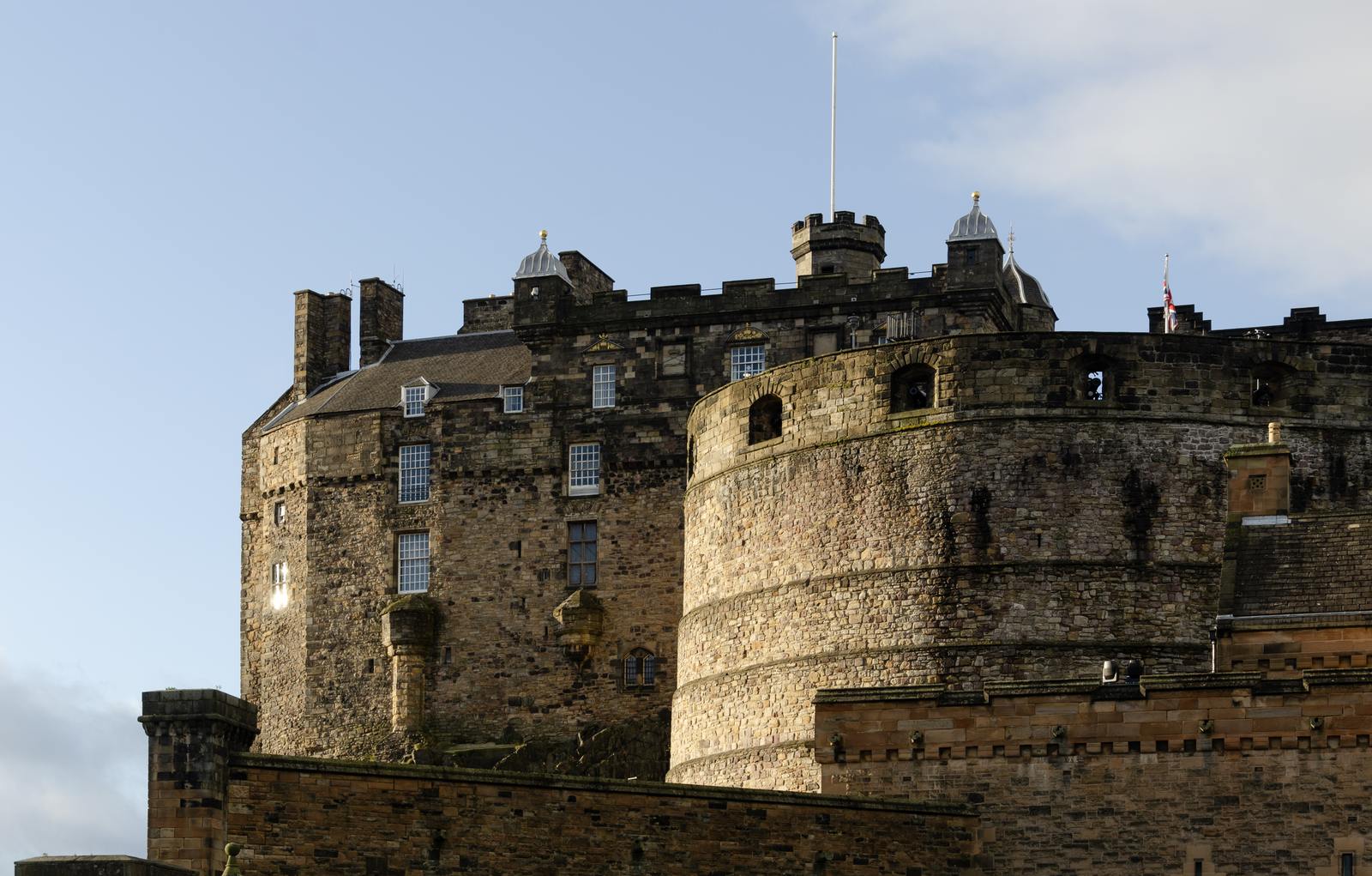
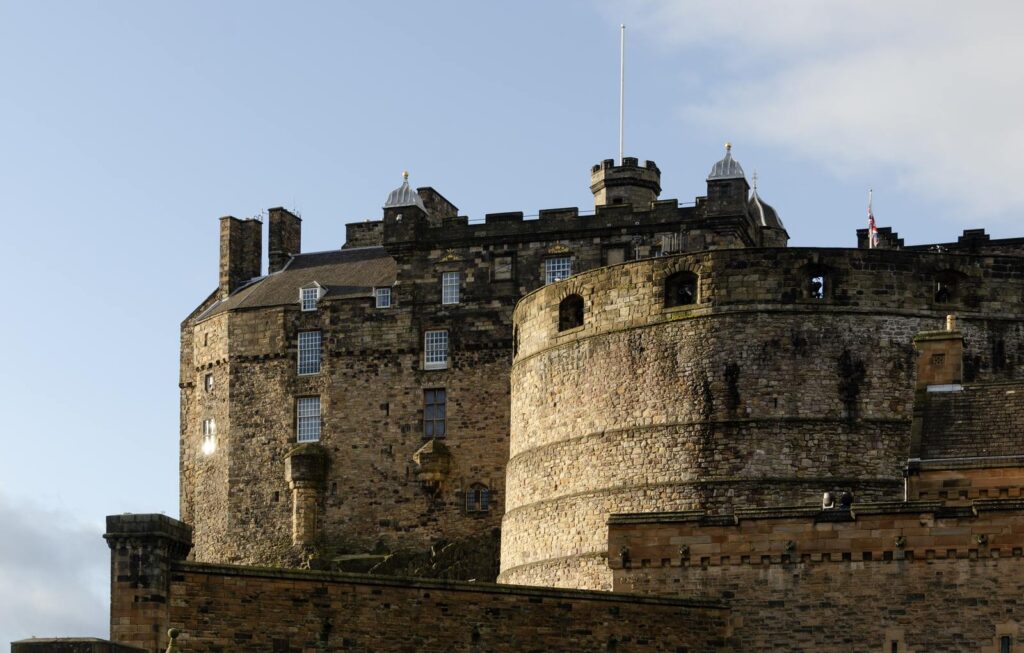
Castle Rock has been occupied since the Iron Age; the royal castle dates to Malcolm III in the 11th century, and St Margaret’s Chapel (c. 1130) is the oldest surviving building in Edinburgh. It was a royal residence until 1633, then a military garrison, and it has survived 26 recorded sieges. Mary Queen of Scots gave birth to the future James VI here in 1566. Today it’s Scotland’s most-visited paid attraction, housing the Honours of Scotland and the Stone of Destiny.
The lore: the lone piper — a boy sent into the castle tunnels playing his pipes so listeners above could map them; the music stopped somewhere beneath the Royal Mile and he was never found. Faint piping is still reported. No historical source exists for any of this, and the tunnels’ supposed extent is itself unverified. The headless drummer was reportedly seen on the ramparts in 1650, just before Cromwell’s siege — read as an omen — though no contemporary document records the sighting. Also reported: a ghost dog, a spectre in a leather apron, and Napoleonic-era spirits.
Visit: Open daily via Historic Environment Scotland. Advance online booking with timed-entry slots is standard and strongly recommended in peak season. Note the castle hosts the Royal Edinburgh Military Tattoo each August, when access changes — book far ahead.
2. Deacon Brodie’s Tavern — 435 Lawnmarket
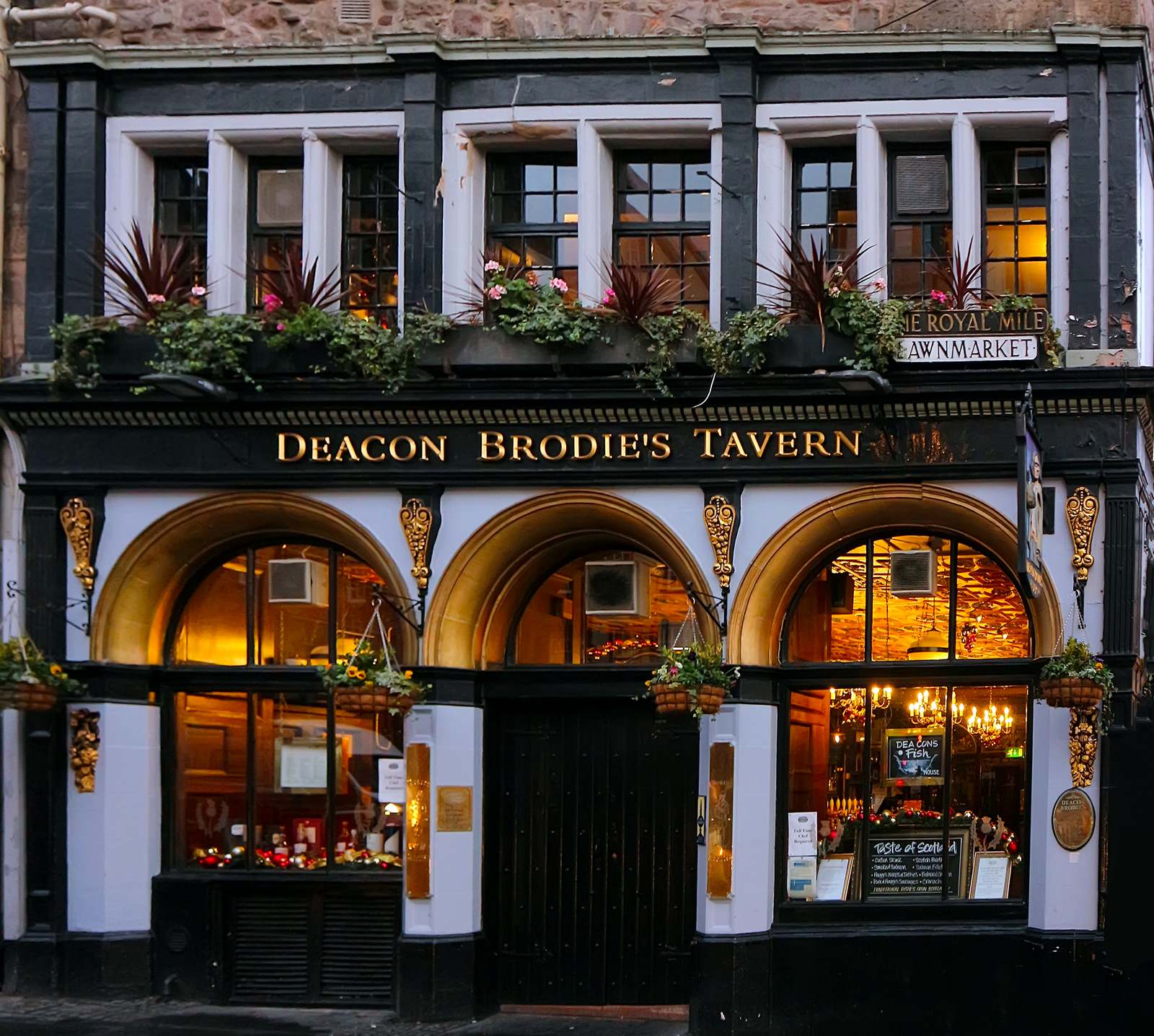
William Brodie (1741–1788) was a cabinet-maker, Deacon of the Incorporation of Wrights, and town councillor by day — and a burglar by night, copying his clients’ keys to fund his gambling and two mistresses. Caught after a botched excise-office raid in March 1788, he was hanged before some 40,000 people on 1 October 1788. His double life inspired Robert Louis Stevenson’s Strange Case of Dr Jekyll and Mr Hyde (1886) — Stevenson’s father owned Brodie-made furniture, and Stevenson co-wrote a play about him. Two corrections the record demands: Brodie did not build the gallows he was hanged on (popular myth), and his burial place is genuinely uncertain.
The lore is modest but sourced: Brodie’s ghost is said to leave the tavern and cross the road to the close that took his name, and staff report shadowy figures on the stairs and objects moved after closing. One honest note: the tavern is a 19th-century building named in his honour — not somewhere he drank in life.
Visit: Operating Nicholson’s pub — food and cask ales, no ticket needed. Typical hours run 11:00 to midnight (later Friday–Saturday).
3. Mary King’s Close — beneath the City Chambers
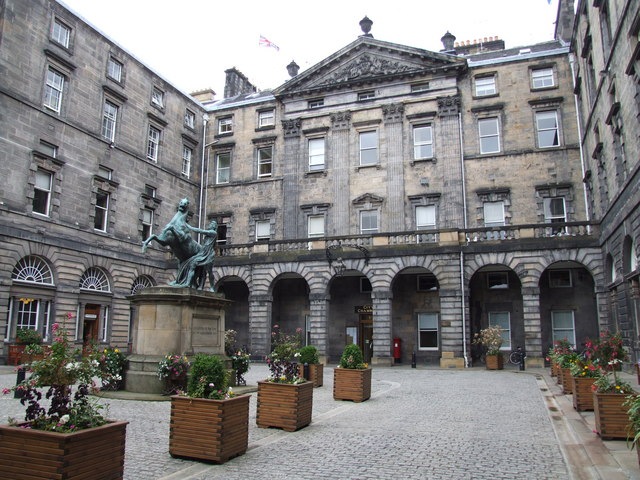
A genuine preserved 17th-century street, buried when the City Chambers (pictured) were built over it in the 18th century. Named for Mary King, a merchant resident in the 1630s–40s. Now the famous correction: the close was never walled up with plague victims inside — the last family lived here until the late 19th century. Edinburgh’s last plague outbreak was 1645, and plague doctor George Rae did work the close in the beaked-mask costume of the period. It opened as the ticketed attraction “The Real Mary King’s Close” in 2003 and has drawn over 3.5 million visitors since.
The lore — and this is the article’s signature history-vs-legend contrast: the famous ghost, a child called “Annie,” was not a 1645 plague victim. In 1992–93, a Japanese psychic visiting during a British TV “Haunted” shoot said she communicated with a child named Annie in a preserved 17th-century room, and left a tartan-clad Barbie bought on the Royal Mile. The doll-shrine tradition continues — donations have raised nearly £100,000 for local charities, and the tartan Barbie went missing in 2019, sparking a viral hunt. A ghost born on television, not in the plague year.
Visit: Guided tours only, with costumed guides — around 13,000 tours a year. Book ahead on the official site, especially in summer and October. A 5-star VisitScotland attraction.
4. The White Hart Inn — 34 Grassmarket
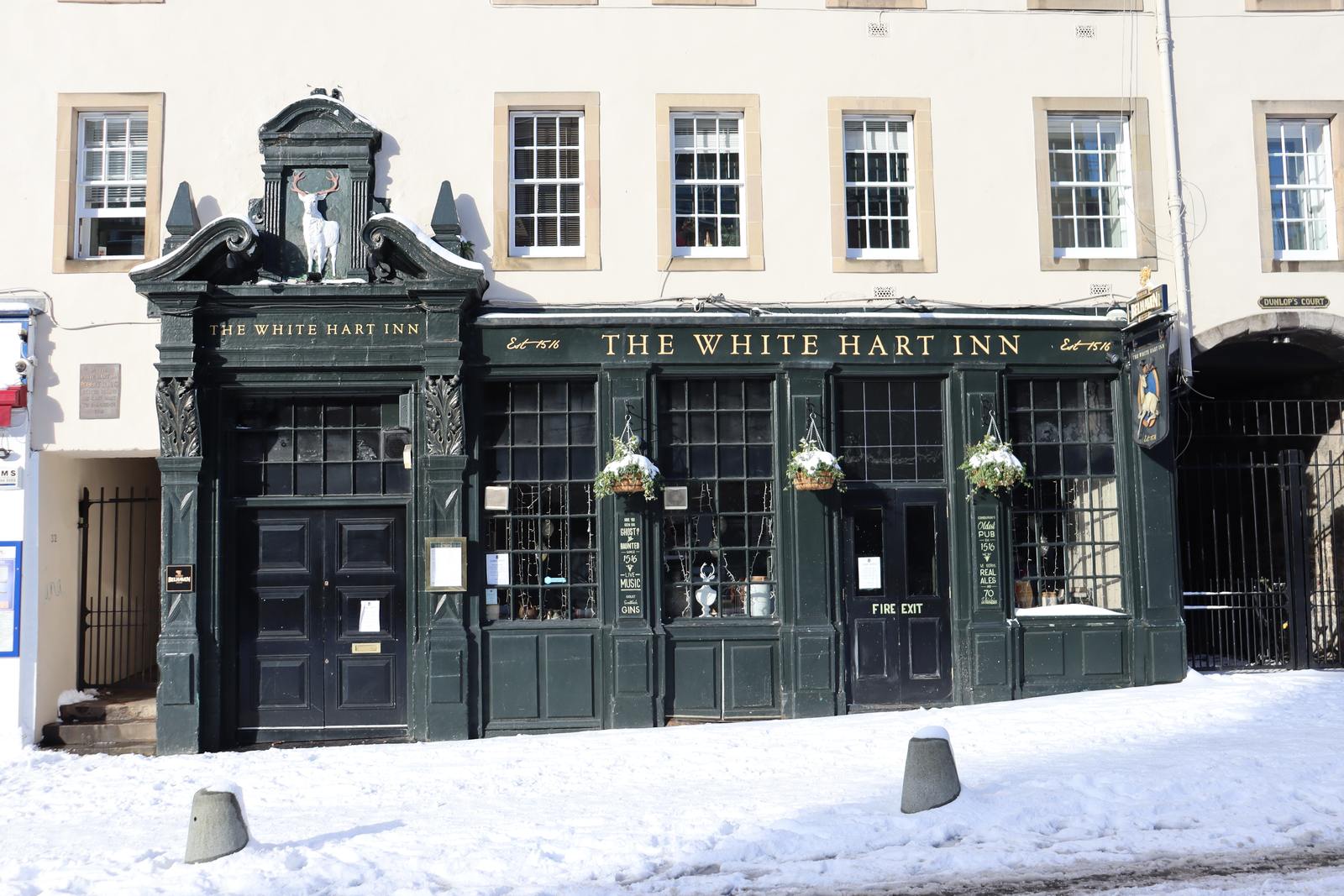
The earliest written records on this site date to 1516 — only the stone-vaulted cellarage survives from then; the visible building is mostly 18th century. It’s widely called Edinburgh’s oldest pub, named for the white-stag legend of Holyrood Abbey (1128). Documented guests include Robert Burns, who stayed a week in November 1791 and worked on “Ae Fond Kiss” here, and William and Dorothy Wordsworth in 1803. A German Zeppelin bomb landed directly outside on the night of 2–3 April 1916, killing one man — a pavement plaque marks the spot. The inn stands yards from Edinburgh’s official execution ground (1660–1784).
The lore — with a correction: the inn is said to have been a Burke & Hare haunt in 1828, but the historical record doesn’t confirm it; the leading scholarly authority on the body snatchers never mentions the White Hart. What’s genuinely reported: visitors’ hair pulled, plates flying off shelves, beer taps turning themselves off, cellar barrels moving on their own. A 2004 Halloween investigation reported a “Sally Beggs,” a man in a tricorn hat on the stairs, and “ghostly legs” in the 1516 cellarage. The pub was named “Edinburgh’s most haunted pub” in 2005 — by its own PR, but the stories stuck.
Visit: Fully operating Belhaven pub — walk in, no ticket, normal pub hours.
5. Greyfriars Kirkyard — Candlemaker Row
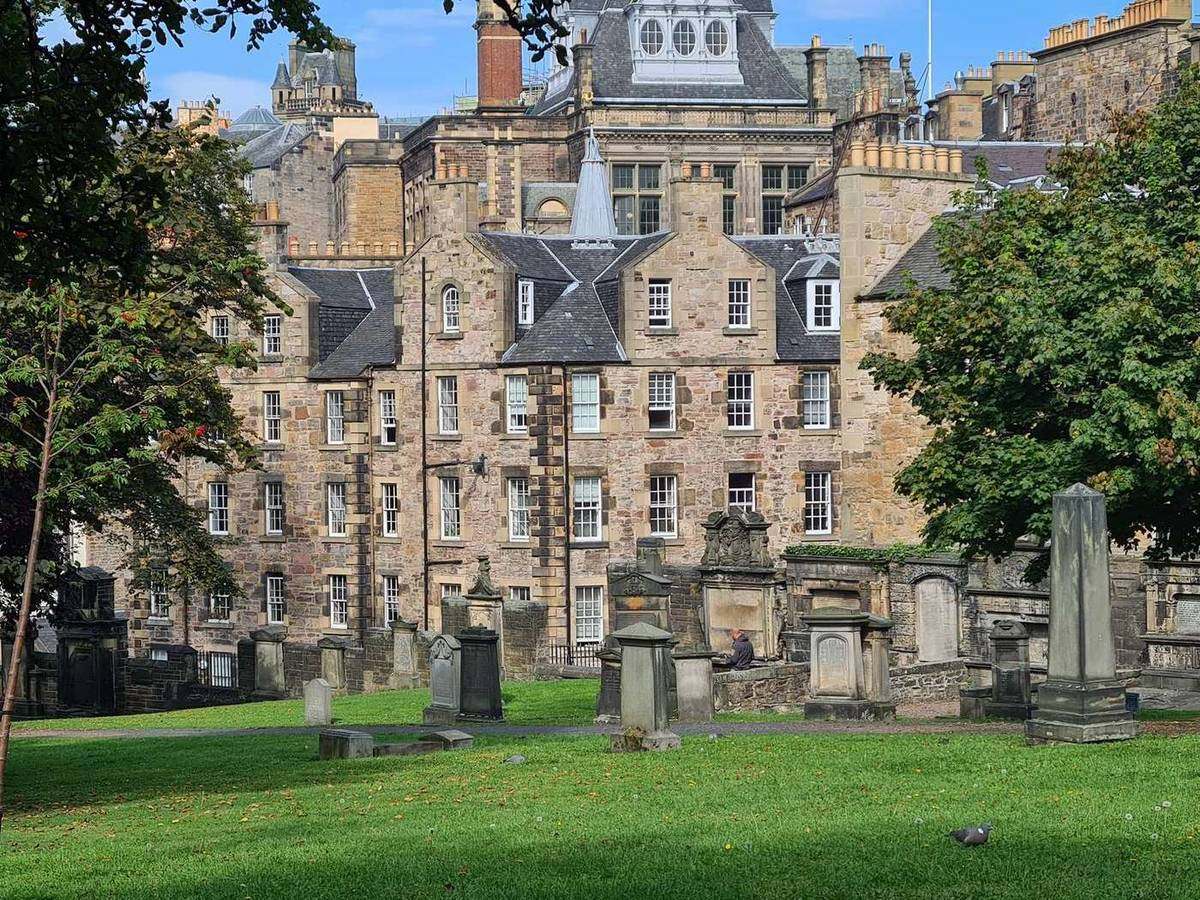
The flagship haunted stop. The kirkyard dates to 1561–62; the National Covenant was signed here in 1638, and some 1,200 Covenanters were imprisoned in the kirkyard after Bothwell Bridge in 1679. Sir George Mackenzie — “Bluidy Mackenzie,” the Lord Advocate who prosecuted them — is entombed in the Black Mausoleum. In 1999 a homeless man broke into the mausoleum and fell through rotten floorboards into a lower bone chamber; what followed became the Mackenzie Poltergeist phenomenon — hundreds of reported encounters: scratches, burns, bruises, visitors pushed or fainting near the mausoleum. A medium attempted an exorcism in 2000; in 2004 two teenagers stole a skull and were prosecuted for “violation of sepulchre.” The mausoleum doors are supposed to be locked.
And Greyfriars Bobby — the history vs. the legend: John Gray died of tuberculosis in 1858 and his dog died in 1872, aged 16. Documented facts include the Lord Provost paying the dog’s licence in 1867 and the 1873 statue funded by Baroness Burdett-Coutts. But historians dispute the tale’s accuracy — one argues there were two dogs, a scruffy stray quietly swapped for a photogenic replacement once the tourist trade took off.
Visit: The kirkyard is free and open daily (daylight hours — go in the daytime). Guided ghost tours (City of the Dead, Auld Reekie, Mercat) run around £16–20; the normally-locked Covenanters’ Prison is visited only on City of the Dead tours.
6. South Bridge Vaults — Blair Street
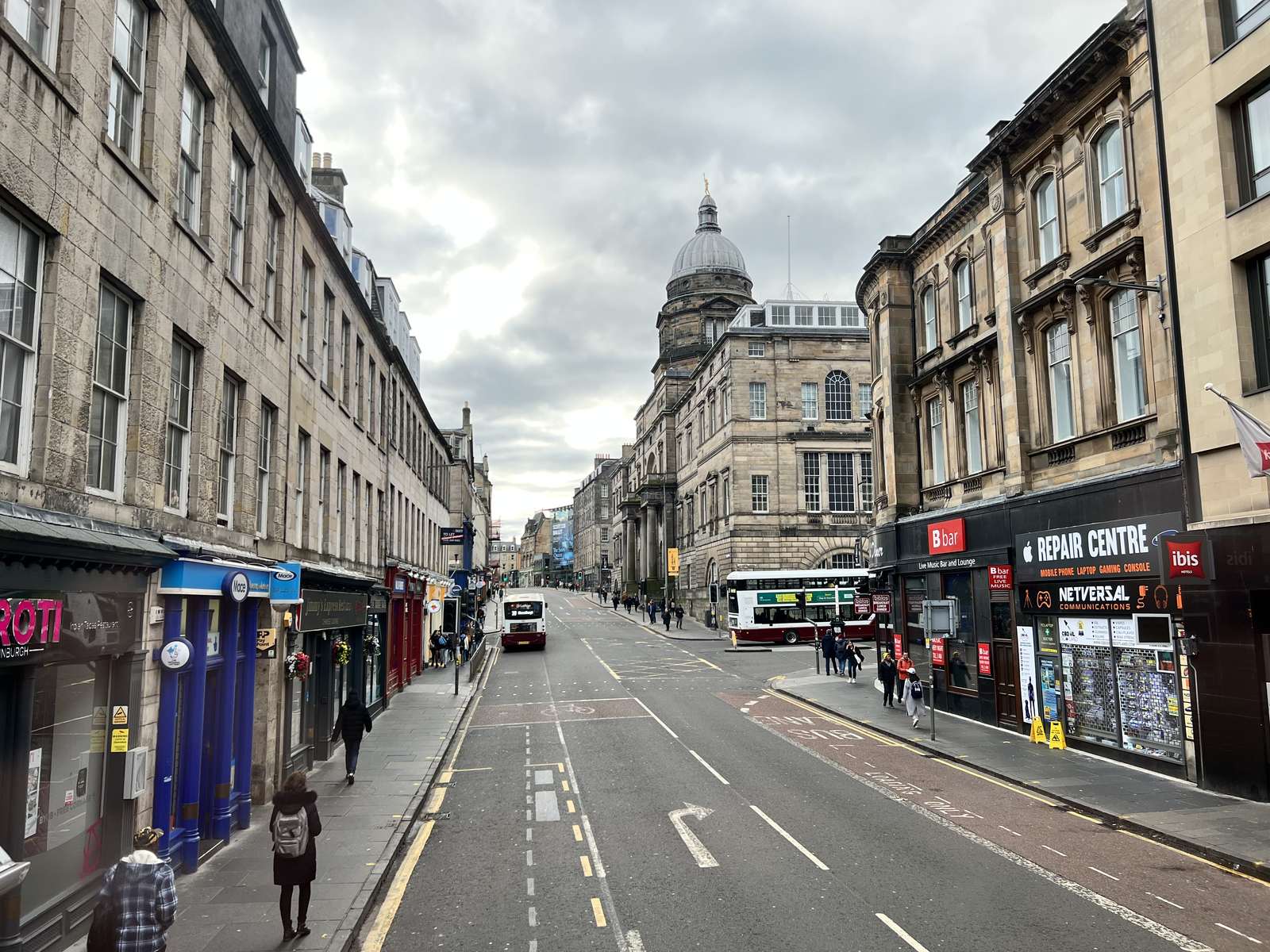
The South Bridge was built 1785–1788 across the Cowgate valley, and its 19 arches created around 120 vaulted chambers — first taverns, workshops, and storage, then decaying into overcrowded slums as water seepage made them uninhabitable. Abandoned by legitimate trade in the early 19th century, sealed off, built over, forgotten — until 1985, when a builder broke through a wall during renovation work and rediscovered them. (Pictured: the bridge whose arches hold the vaults; there’s no public view of the chambers from street level.)
The lore: guides tell of apparitions in specific chambers, physical attacks on visitors, moving objects, and temperature anomalies — consistent reports over decades. Bodysnatchers are rumoured to have stashed corpses here, though Wikipedia notes there is no proof Burke and Hare ever used the vaults, whatever some guides claim.
Visit: Guided tours only — no independent access. Mercat Tours runs the Blair Street Underground Vaults; Auld Reekie runs the Niddry Street vaults. Evening ghost tours are adult-only. It’s cold, damp, and uneven underfoot: warm clothing and sturdy shoes.
7. The Banshee Labyrinth — 29–35 Niddry Street
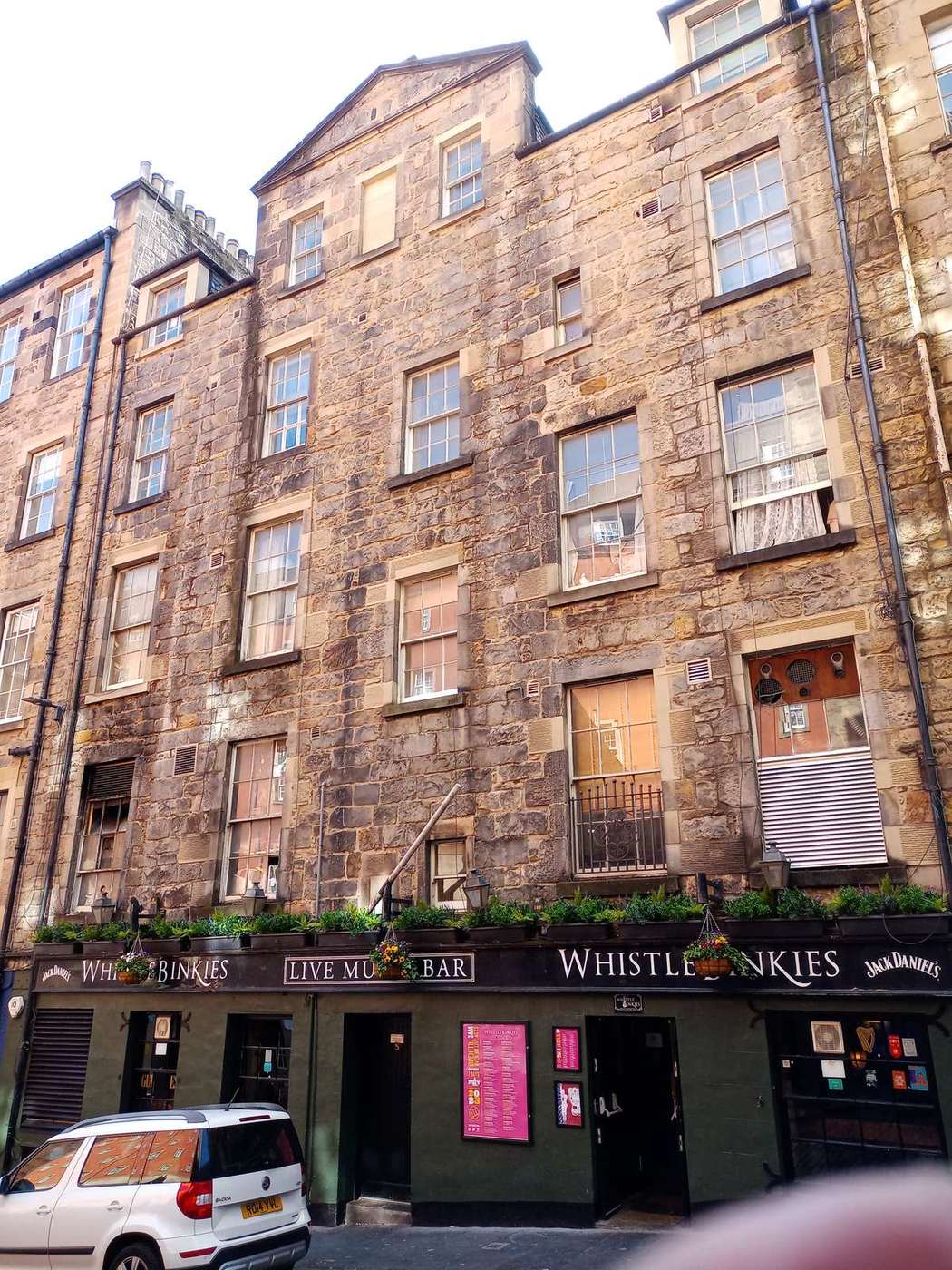
An alternative pub and live-music venue whose seven rooms are partly built into the original 18th-century South Bridge vaults — the same vault system as stop 6. It calls itself “Scotland’s most haunted pub.” That’s worth pausing on: it is the venue’s own description of itself, which the press echoes. No independent award exists. Say exactly that.
The lore: the Banshee herself — during refurbishment, workmen reportedly saw a sobbing red-haired woman who lifted her head to reveal empty eye sockets and screamed; one workman later learned a family member had died. Other reports: drinks sliding off tables “as if thrown by an unseen force,” disembodied singing in the tunnels. And the debunk the Atlas lives for: the pub’s telling spins a witch-torturing aristocrat called “Lord Nicol Edwards” who lived on the site. The record shows a real Nicol Uddert (c. 1550–c. 1610) — a merchant and Provost of Edinburgh who hosted James VI — not a witch-torturer, with no link to interrogations or this building. A garbled folk version of a real name.
Visit: Operating pub, free entry. Open late (19:00–03:00 weekdays, from 17:00 weekends; later during the Fringe). Over-18s only. Rock, metal, and punk gigs, comedy, and a free 50-seat cinema.
8. Canongate Kirk & Kirkyard — Canongate, lower Royal Mile
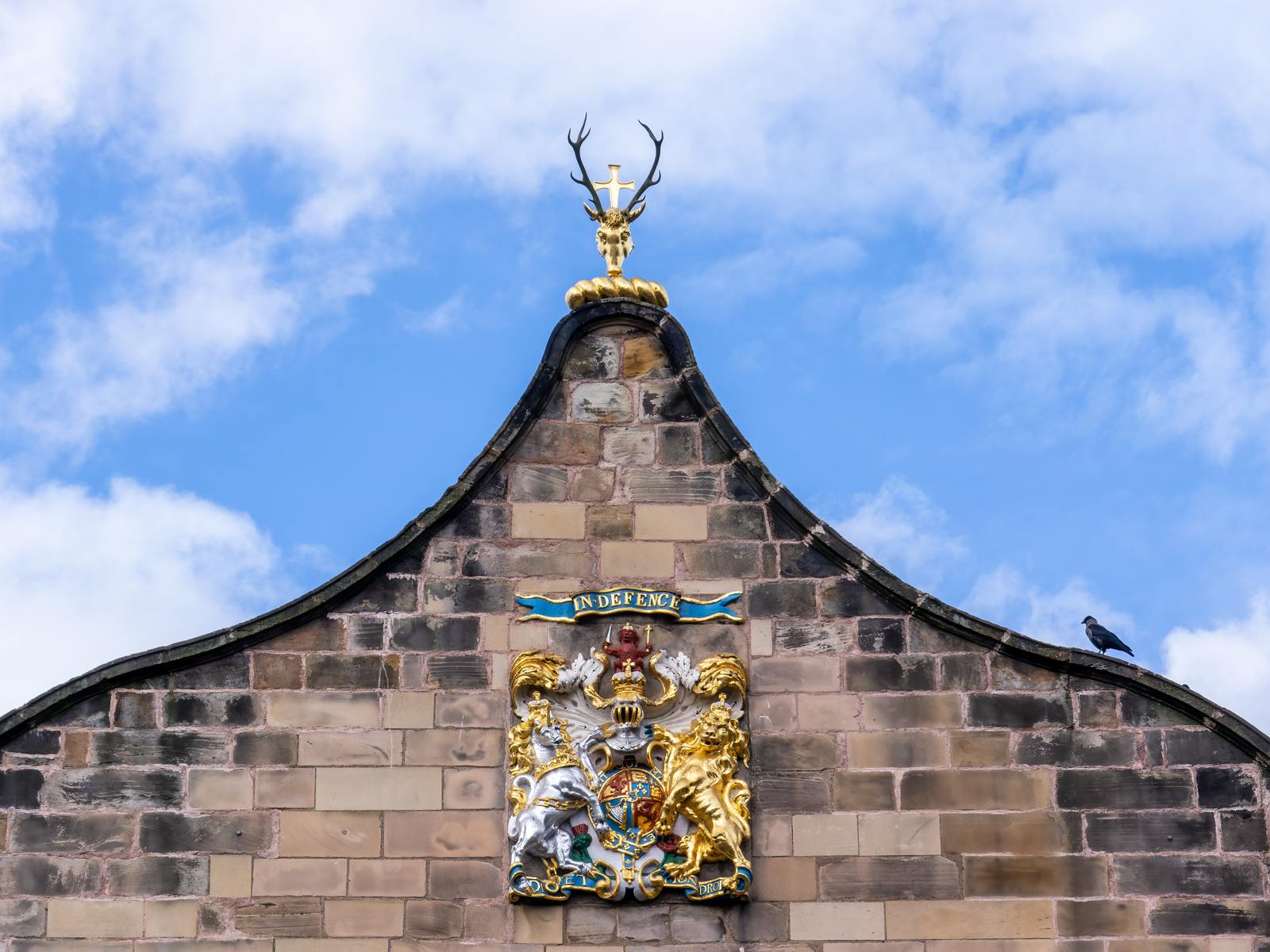
The honest history stop. The Church of Scotland parish church was founded in 1688 and completed in 1691; its parish unusually includes the Palace of Holyroodhouse, the Scottish Parliament, and Edinburgh Castle. The kirkyard holds genuine pilgrimage graves: the economist Adam Smith (1723–1790), the poet Robert Fergusson (his monument raised at Robert Burns’s express wish), and Agnes Maclehose — Burns’s “Clarinda.” Zara Phillips married Mike Tindall here in 2011.
The ghost story it doesn’t have: some claim David Rizzio — Mary Queen of Scots’ murdered secretary — is buried here. Wikipedia calls that “highly unlikely”: an Italian Catholic reinterred in a Protestant graveyard 120 years after his death. The actual record traces his body from the palace courtyard to Holyrood Abbey’s door. No named, sourced ghost tradition attaches to the kirk itself — which is exactly why it’s here: not every old kirkyard is haunted, and the Atlas says so.
Visit: Active parish church; the kirkyard is freely accessible in daytime. The interior opens mainly for Sunday services, concerts, and special events — check the kirk’s site. Free.
9. Palace of Holyroodhouse — Canongate, foot of the Royal Mile
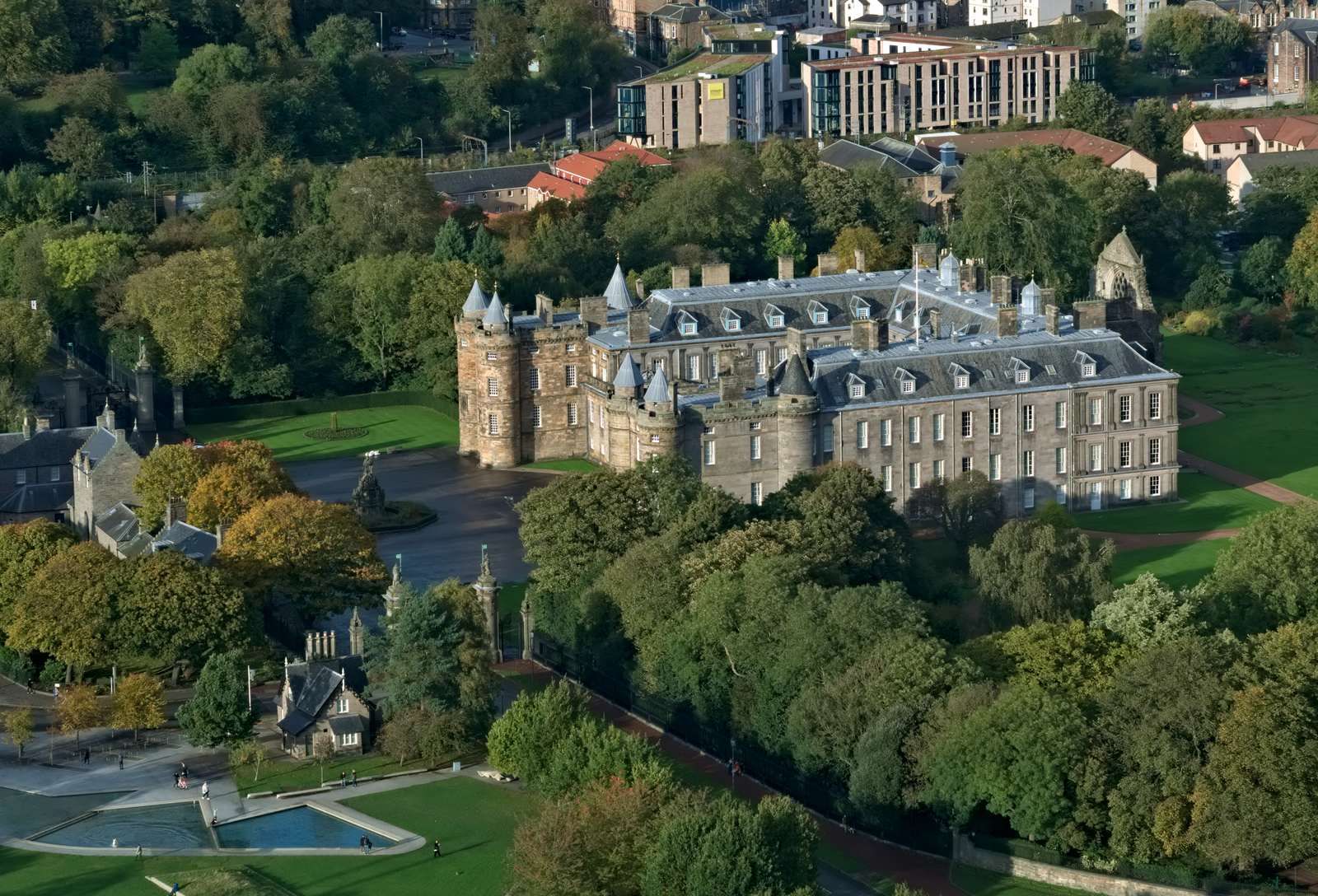
The abbey beside it was founded in 1128 by David I; James IV built a Gothic palace in 1501–1505, James V added his tower in 1528–1536 (the oldest surviving part), and the present quadrangle went up in 1671–1678 for Charles II. It has been the principal royal residence in Scotland since the 16th century and remains the monarch’s official Scottish residence. Its darkest documented hour: 9 March 1566, when Lord Darnley and armed nobles entered Mary Queen of Scots’ apartments via the private stair, found her at supper — six months pregnant — dragged her secretary David Rizzio through the bedchamber into the outer chamber, and stabbed him to death. The “fifty-seven dagger wounds” figure is tradition, not forensics — treat the “allegedly” as load-bearing.
The lore: guides and press report Rizzio’s ghost in the corridors, and visitors are shown a red stain on the floorboards near a plaque marking the murder spot — palace tradition, not verified fact; no official source identifies the stain as blood. Lord Darnley’s ghost is said to haunt his old room. (One naming note from the research: there is no “grey lady” at Holyrood in any source — the Grey Lady belongs to Dalhousie Castle, stop 12.)
Visit: Royal Collection Trust, timed tickets — advance booking strongly advised, as walk-ups often sell out. Around £22 in advance / £26 on the day, multimedia guide included. Open year-round except when the Royal Family is in residence (closures happen at short notice). No photography inside. The abbey ruins are included but occasionally closed for conservation.
10. Calton Hill — east end of Princes Street
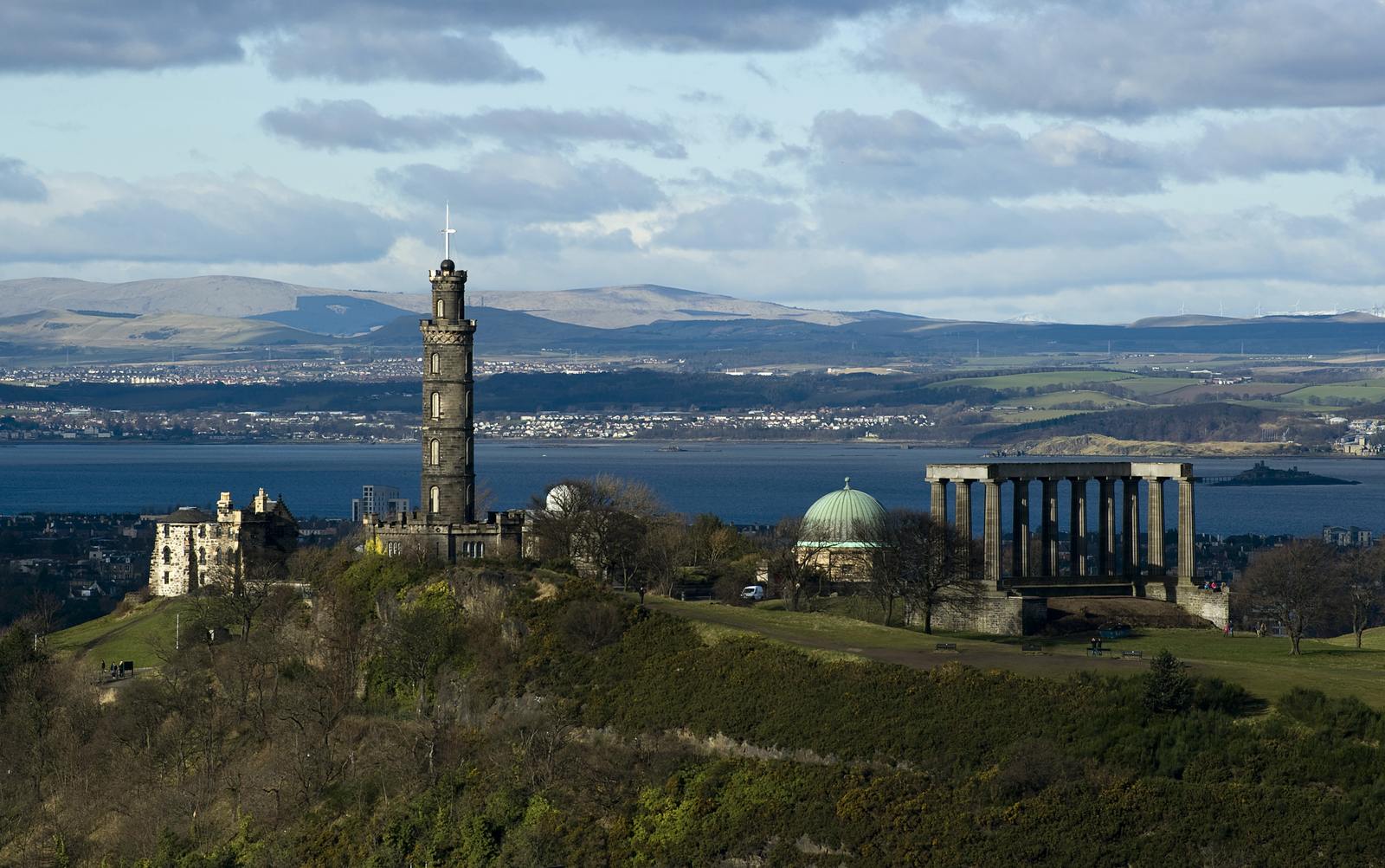
The hilltop where the lore is mostly borrowed — included here for the history and one explicit correction. The monuments: the National Monument (begun 1826, abandoned 1829 for lack of funds — “Edinburgh’s Disgrace”), the Nelson Monument (completed 1816, with its 1 pm time ball linked to the Castle’s One O’Clock Gun), and the City Observatory (completed 1818). The park has been public since 1724 — one of Britain’s oldest. The Old Calton Burial Ground (opened 1718) holds the philosopher David Hume and the Political Martyrs’ Monument. The Victorian Calton Jail stood here; its turrets survive.
The correction that matters: the witch executions commemorated by the Witches’ Well happened at Castlehill, by the Castle — not on Calton Hill. Don’t let a ghost tour tell you otherwise. What the hill genuinely has: a 17th-century tale of a fairy gateway used by the fairies, whose self-proclaimed drummer vanished. No named, sourced ghost tradition attaches to the hill itself — the witch-trial storytelling routed through here is tour marketing, not documented sightings.
Visit: Public park, free, effectively open around the clock. Monuments viewable from outside; Nelson Monument climbs and the observatory galleries are seasonal or paid — check ahead.
11. Craigmillar Castle — ~3 miles south-east of the centre
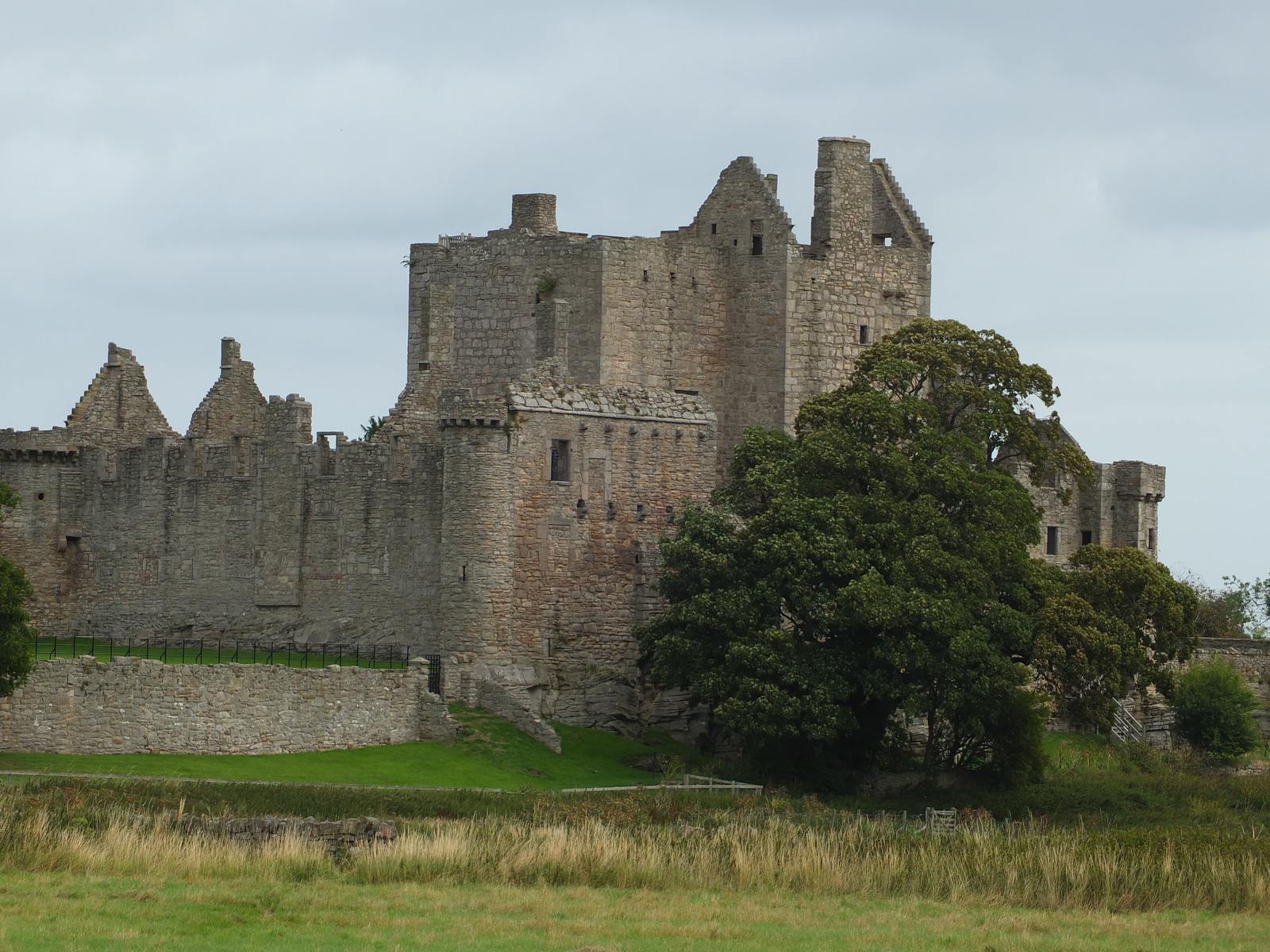
One of Scotland’s best-preserved medieval castles — the Preston family began building in the late 14th century, with works through the 15th and 16th: tower house, great hall, prison, chapel, and doocot. Mary Queen of Scots arrived on 20 November 1566 to convalesce after James VI’s birth and left on 7 December. Before she left, the Craigmillar Bond — a pact to dispose of Lord Darnley — was made “with or without her knowledge” (Wikipedia’s exact honest phrasing; don’t overstate her complicity).
The lore has unusually good sourcing: the “Ghost with Spurs” — a hooded figure in a long dark-blue cloak, tangled black hair, heavy spurred riding boots, eyes “gleaming menacingly.” In 1934, sightings over the surrounding fields prompted locals to organise actual ghost hunts; the spirit reportedly evaded capture by vanishing through an old doorway. Edinburgh Live attributes the legend directly to Historic Environment Scotland, which retells it for Halloween features. Not seen in decades.
Visit: Historic Environment Scotland ticketed site — around £8.50 for adults, book ahead in season, open daily. Note the rooftop walkway may carry restrictions during conservation work; check the HES page before going.
12. Dalhousie Castle — Cockpen, Midlothian (~8 miles south; car or taxi required)
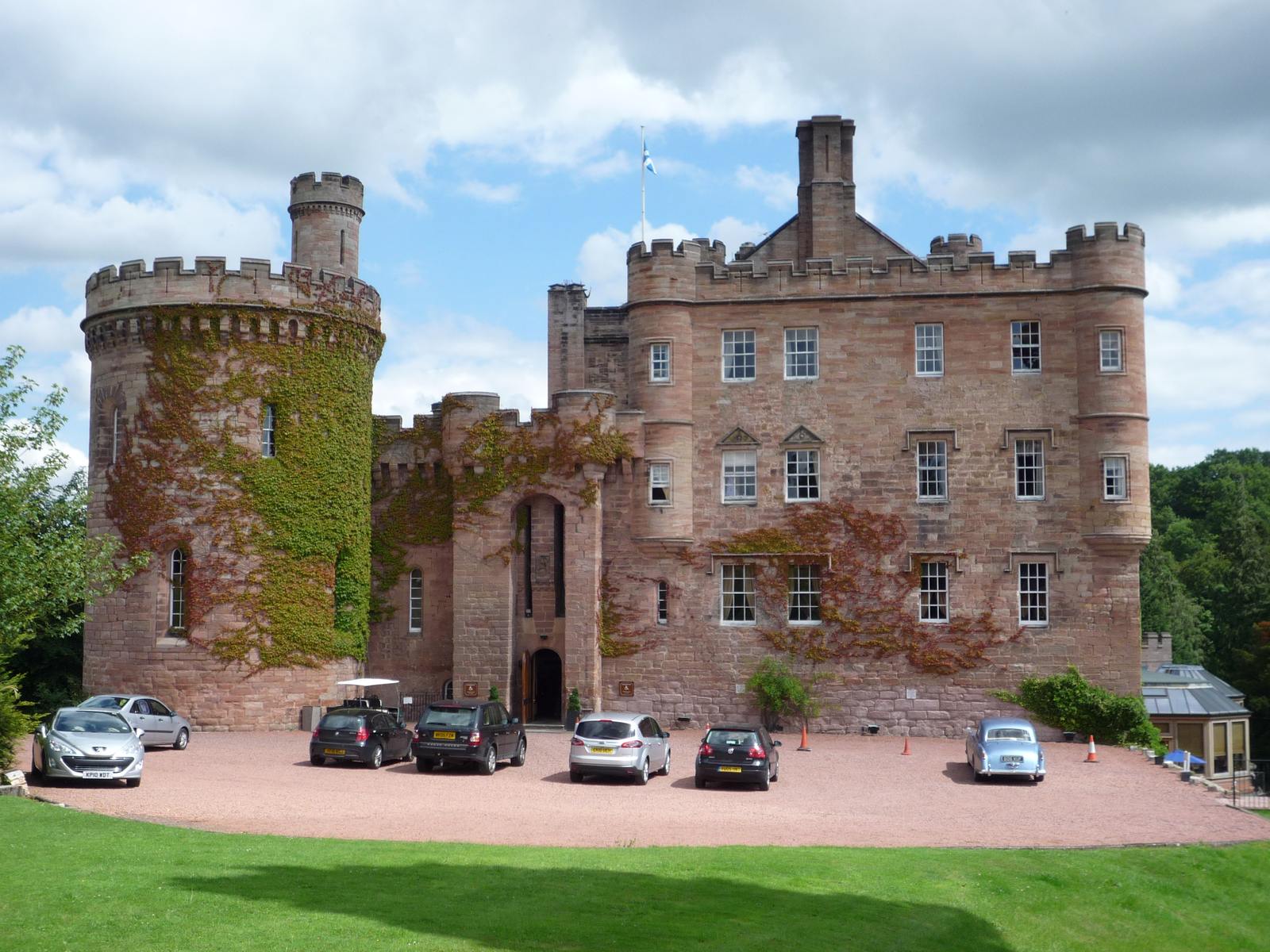
The castle hotel you can actually sleep in — but read the distance first: about 8 miles south of the city centre, not walkable. The first castle went up around 1140; the drum tower is mid-15th century; most surviving fabric is 17th. Documented events stack up: a 1400 siege held against Henry IV, Edward I passing through en route to Falkirk, Cromwell using it as a base, and stays by Mary Queen of Scots, Walter Scott, and Queen Victoria. The Ramsays held it until around 1900; it was a boarding school from 1925 to 1950, then a hotel from the 1970s. After a £6 million refurbishment it reopened in late September 2026. One correction for the listicles: Sir Alexander Ramsay’s starvation death is real history — but it happened at Hermitage Castle in 1342, not here.
The lore: the Grey Lady — “Lady Catherine,” a 16-year-old — but the story’s details conflict between tellings: the laird’s mistress starved in a turret by his vengeful wife; the laird’s daughter, locked up for loving the wrong man; a girl caught with a stable hand in 1695 who died of a broken heart. No documented historical record of a Lady Catherine Ramsay dying this way exists — it is folklore; say so. Staff and guests report her tapping on doors, sitting at the ends of beds, appearing at weddings, and making the bagpipes play out of tune. Also claimed: a schoolboy’s ghost from the school era, and a phantom dog.
Visit: Operating hotel, open now — non-residents can book the restaurants (reservations advisable). There’s no daytime-only ghost access; the way in is staying or dining. Falconry and a spa on site.
Know before you go
- Book timed tickets ahead. Edinburgh Castle, Holyroodhouse, and Mary King’s Close all run timed entry and sell out — especially in summer and October. Walk-ups are a gamble.
- The vaults are guided-tours-only. There’s no independent access to the South Bridge vaults; book with Mercat or Auld Reekie. Cold, damp, uneven floors — warm clothing and sturdy shoes.
- Kirkyards are daytime visits. Greyfriars and Canongate are free and open in daylight hours. Go in the day; respect the dead and the neighbours.
- Mind the distances. Stops 1–10 are a walkable Old Town route. Craigmillar is ~3 miles south-east; Dalhousie is ~8 miles south — car or taxi required.
- October is peak, August is the Fringe. Halloween season is the obvious window, but note the world’s largest arts festival takes over the city every August — book everything far ahead if you go then.
Frequently Asked Questions
Is Edinburgh the most haunted city in the world?
It’s the most common claimant — “the most haunted city in Europe” gets said about Edinburgh, York, and Prague alike, and there’s no objective measure. What Edinburgh genuinely has is density: a royal castle, a poltergeist kirkyard, buried plague streets, and vaults, all within about a square mile. The concentration is the real story.
Can you visit Mary King’s Close or the vaults on your own?
No — both are guided-tours-only. Mary King’s Close runs costumed-guide tours (book ahead), and the South Bridge vaults are accessible only through operators like Mercat Tours and Auld Reekie Tours. Evening vault tours are typically adult-only.
What’s the best ghost tour in Edinburgh?
The established names are City of the Dead (the only tour with access to the locked Covenanters’ Prison in Greyfriars), Mercat Tours (Blair Street vaults), and Auld Reekie Tours (Niddry Street vaults). All three are long-running, well-reviewed operations — pick by which underground you want to see.
Is Greyfriars Kirkyard free to visit?
Yes — the kirkyard is free and open daily during daylight hours. Only the guided ghost tours (which include areas like the normally-locked Covenanters’ Prison) charge, around £16–20.
When is the best time to visit haunted Edinburgh?
October, for Halloween-season atmosphere and the full tour schedules. But book ahead — it’s peak. August brings the Fringe festival (book everything far earlier), and the castle, palace, and Mary King’s Close run year-round.
Keep exploring
The Paris Catacombs: History, Hauntings & How to Visit
Twenty metres beneath the streets of Paris, in tunnels the city dug to build itself, lie the bones of more than six million Parisians — stacked…
Read story →
8 Haunted Places in Transylvania (Historic Guide)
Transylvania is the most famous haunted address on earth — and the place where the Atlas rule matters most. The Dracula story everyone arrives with is,…
Read story →
8 Haunted Places in Ireland (Historic Guide)
8 Haunted Places in Ireland (Historic Guide) Halloween began in Ireland. Before it was costumes and candy, it was Samhain, the festival that marked the end…
Read story →