7 Haunted Historic Landmarks in Washington State
Washington's historic landmarks don't just preserve the past — some of them, people say, never let it leave. Here are seven places where documented history runs…
Reader’s note: supernatural accounts are presented as folklore and reported experiences, not established fact.
Washington’s historic landmarks don’t just preserve the past — some of them, people say, never let it leave. Here are seven places where documented history runs deep and the ghost stories are told by the staff, the owners, and the towns themselves.
Every place below is a genuine historic landmark first: a hotel, a theater, a mill town, a century-old saloon. The histories are verified. The hauntings are reported folklore — told by the people who work there, stay there, and swear by them. We’ll always tell you which is which.
1. Tokeland Hotel — Tokeland (1885)
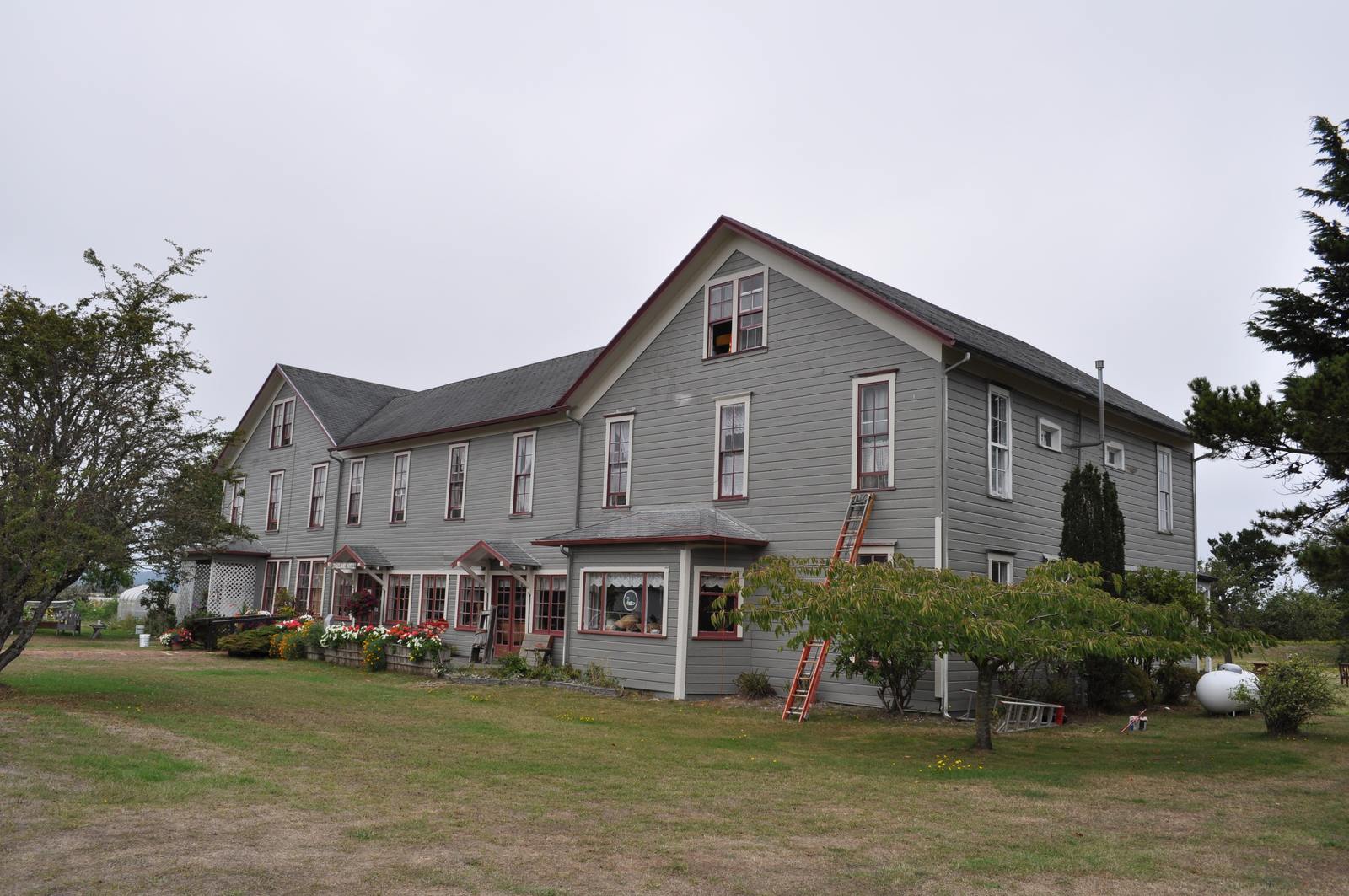
The Tokeland Hotel began not as a hotel at all, but as a farmhouse — built in 1885 by Lizzie Brown and William Kindred on the shores of Willapa Bay. It became the Kindred Inn in 1899, and it has been welcoming travelers on the Washington coast ever since, making it one of the oldest hotels on the Washington coast. Today it houses guest rooms upstairs and the Wandering Goose restaurant below.
The lore: the hotel’s best-known ghost is “Charley,” said to have been a Chinese immigrant smuggled in to work the railroads. The story goes that he jumped ship, hid behind the parlor fireplace to escape smugglers, and suffocated there. Guests and staff say Charley still roams the halls — and has a habit of spinning the dinner plates in the restaurant. The hotel leans into it: its own website lists Rooms 4 and 7 as “Haunted Rooms.”
Visit: Operating hotel and restaurant at 2964 Kindred Ave, Tokeland, WA 98590. Book a room — or just come for dinner and keep an eye on your plate.
2. Manresa Castle — Port Townsend (1892)
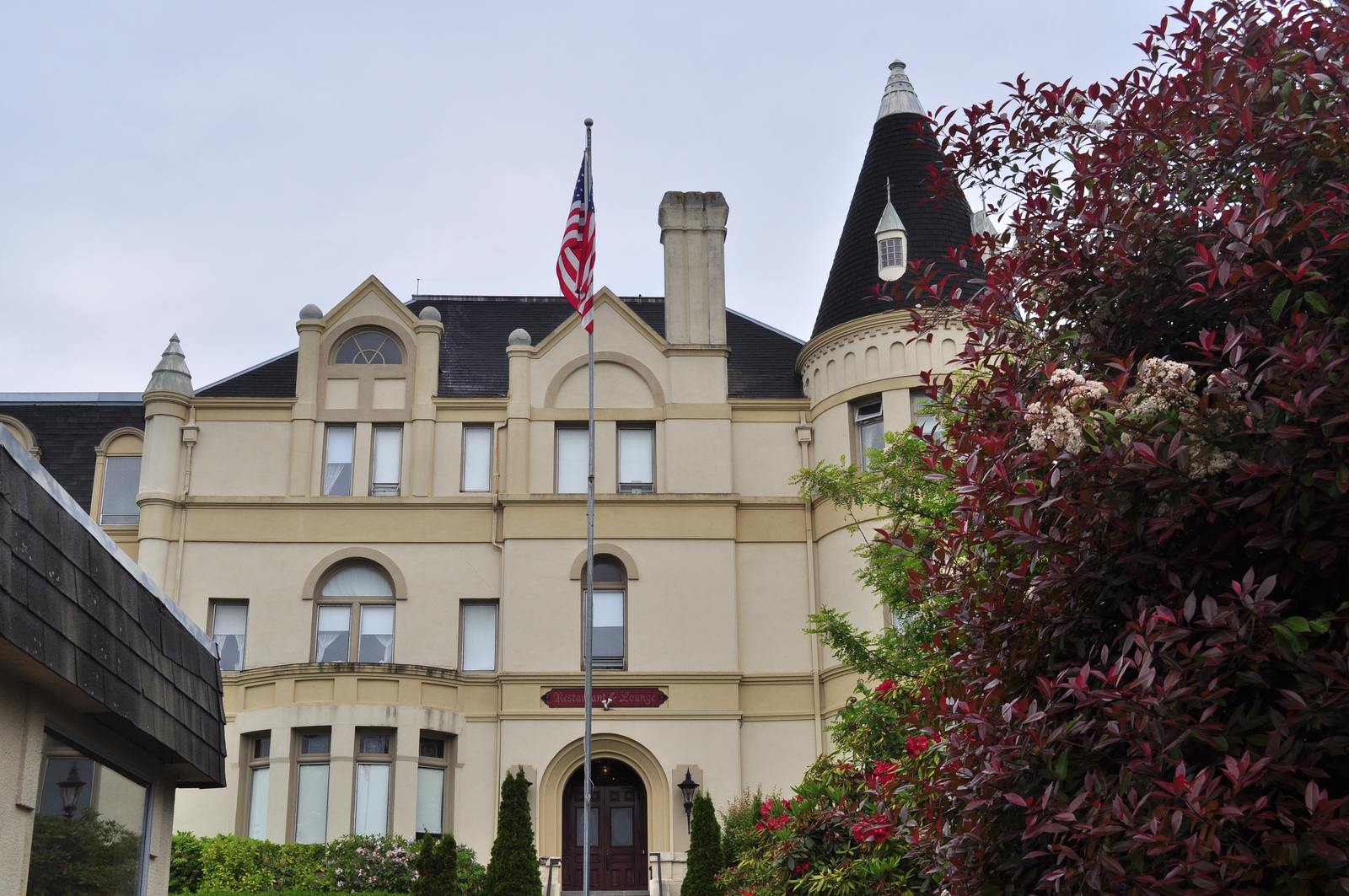
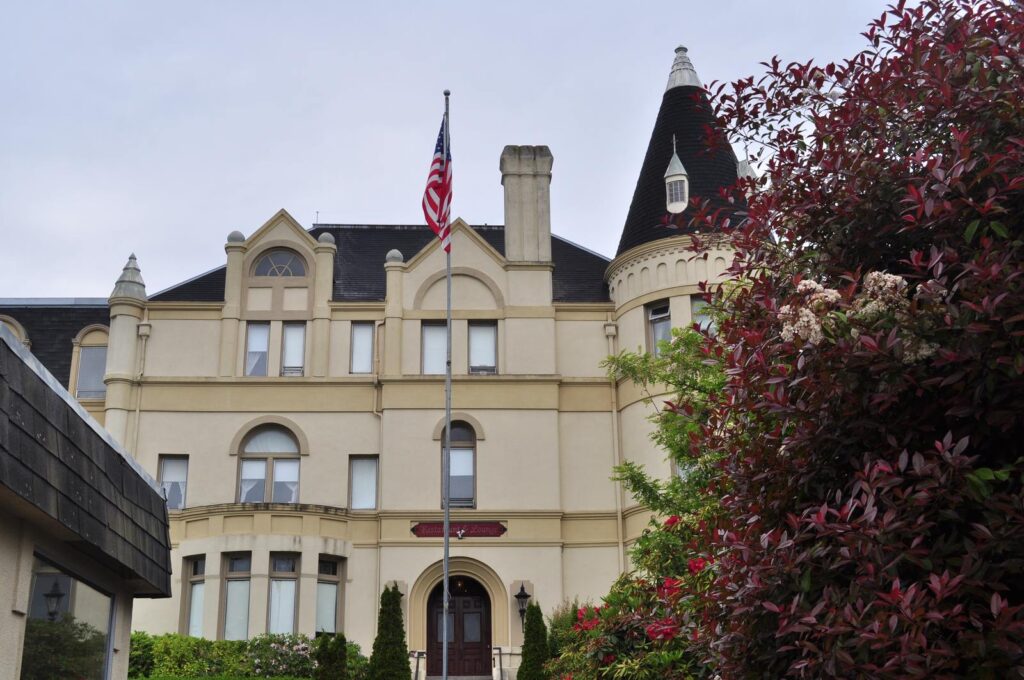
Charles Eisenbeis — Port Townsend’s first mayor, elected when the city incorporated in 1878 — built this hilltop residence in 1892 as a private home. In 1927 the Jesuits bought it for $7,000 and ran it as Manresa Hall, a training college for priests, until 1968. It has operated as a hotel ever since, run by the Massey family since 2004.
The lore: Room 306 is considered the most active — the story tells of “Kate,” who in the legend waited for her fiancé to return from war; when he never came home, she jumped from a window in that room. (A historical footnote: the real Kate was Eisenbeis’s wife, not a lovelorn guest — the legend recast her.) Room 302, the tower suite, draws reports of footsteps and unexplained sounds, and guests tell of a monk said to have hanged himself in the attic turret. In the former chapel, now a dining room, glasses are said to be knocked over or shattering on their own.
One honest caveat, in the spirit of this atlas: local researchers have documented that some of the castle’s ghost stories were embellished by a former owner because, as one account put it, “it’s good for business.” That doesn’t settle what’s real — but it’s worth knowing before you book Room 306.
Visit: Operating hotel at 651 Cleveland St, Port Townsend, WA. Ask about the haunted rooms when you reserve — the staff know the stories.
3. Northern State Hospital — Sedro-Woolley (1912–1973)
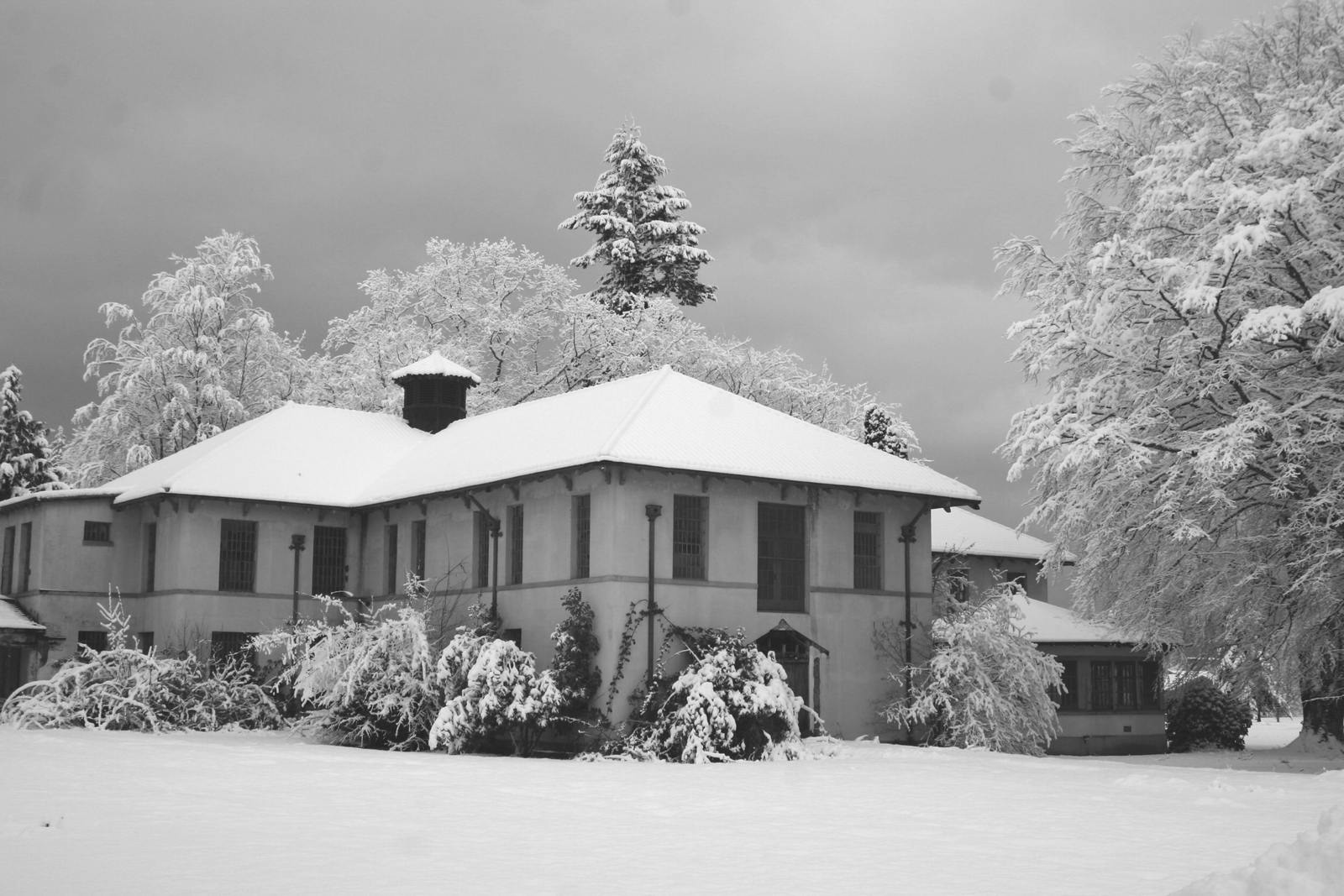
Opened in May 1912, Northern State Hospital was built on the “colony plan” — a self-sufficient farm colony where patients worked the land as part of their treatment, set on grounds influenced by the Olmsted landscape tradition. It operated for over sixty years before closing in 1973. Today the public portion of the campus is the Northern State Recreation Area, with trails winding past the old buildings.
The lore: paranormal investigators rank it among Washington’s most active sites. The most repeated reports describe a nurse apparition pushing a wheelchair through empty corridors, and the cries of former patients heard after dark.
Visit — read this first: The recreation area’s trails are open to the public, but the buildings themselves are off-limits, and parts of the wider campus house active facilities. Come for the grounds and the views. Do not enter the buildings, and do not trespass — this one is strictly a daylight, stay-on-the-trail visit.
4. Moore Theatre — Seattle (1907)
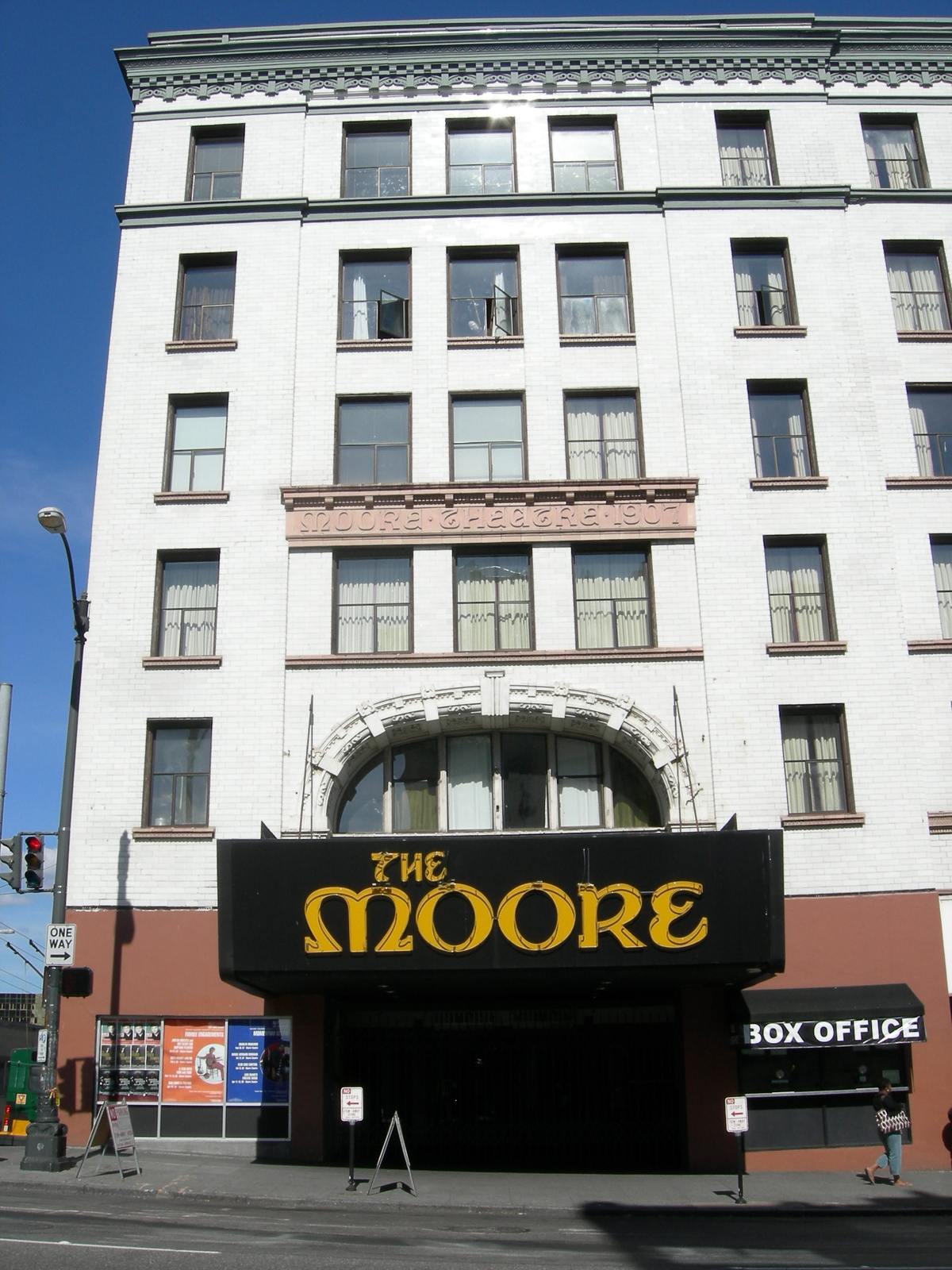
The Moore opened on December 28, 1907, and it has never really closed since — Seattle Theatre Group bills it as the oldest operating theater in Seattle, a 1,800-seat landmark that has hosted everything from vaudeville to rock concerts. It also sits on layered ground: the theater was built on the site of the Denny Hotel and, before that, the city’s first cemetery.
The lore comes from an unusually credible source: the theater’s own manager, Steve Martin (no, not that one), who has held the role since the mid-1990s. He has publicly described hearing footsteps moving across the empty stage above him while he stood alone in the basement production area on a quiet weekday morning. When the person who runs the building tells the ghost story, it carries weight.
Visit: Operating venue at 1932 2nd Ave, Seattle. The way in is a ticket — check STG’s calendar and see a show.
5. Oxford Saloon — Snohomish (c. 1890–1900)
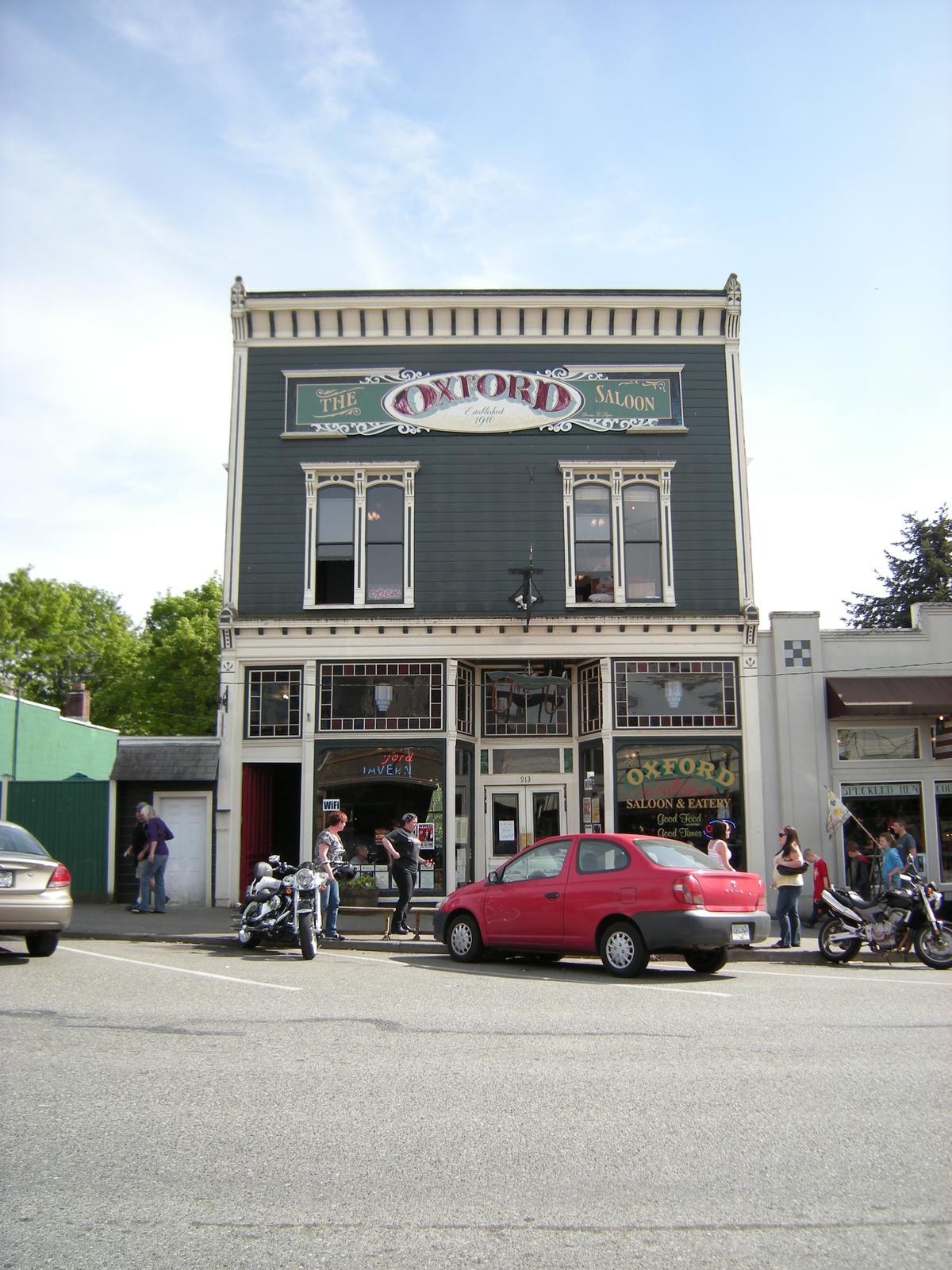
This First Street building started life around the turn of the 20th century as Blackman’s Dry Goods (some accounts say Blackman’s Grocery Store) before becoming a saloon around 1910. It has poured drinks in Snohomish’s historic downtown for well over a century, and today it operates as a restaurant and bar with live music.
The lore, much of it recounted by owner Brian Swanson: “Henry” — described in various accounts as a policeman or a Prohibition-era bouncer — was stabbed while breaking up a fight, died, and is said to haunt the basement stairs and the ladies’ room. Upstairs, the stories multiply: Kathleen, said to have been a bordello madam, Amelia, described as one of her ladies found dead curled in a closet, and a man in a bowler hat who doesn’t belong to any era on record.
Visit: Operating restaurant and bar at 913 1st St, Snohomish, WA. Go for dinner or a show — the ghosts, if they’re there, come with the building.
6. Port Gamble — Kitsap Peninsula (1853)
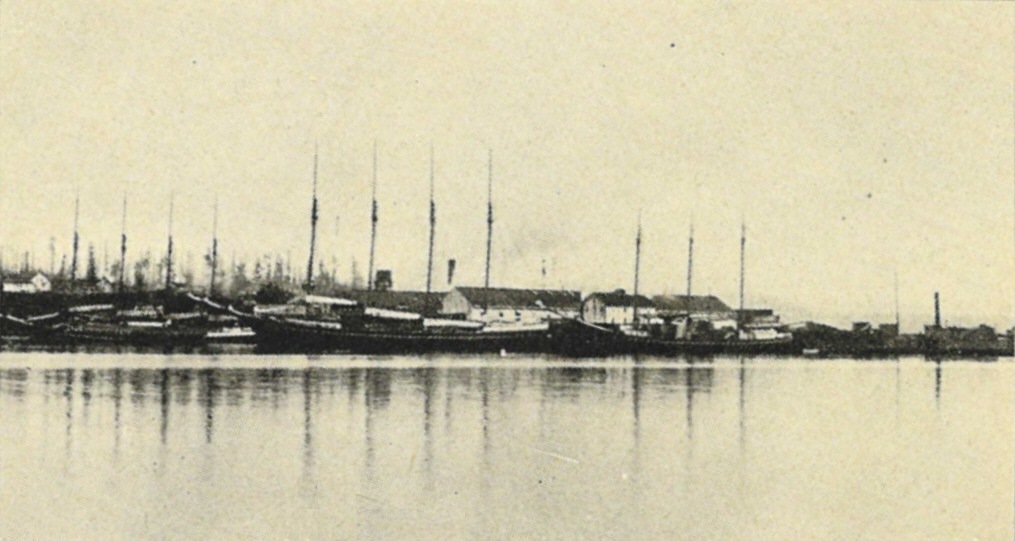
Few Washington towns wear their history as visibly as Port Gamble. Founded in 1853 by the Puget Mill Company — Josiah Keller, William Talbot, and Andrew Pope — it was a company lumber town for 142 years, the mill running until 1995. The whole town is a National Historic Landmark, and walking its streets feels less like visiting history than trespassing on it.
The lore centers on the Walker-Ames House, one of the town’s grandest residences: reports of children’s laughter with no children present, and sightings of a woman some believe was a former nanny. The town doesn’t shy away from any of it — Port Gamble hosts an annual Ghost Conference, and guided ghost walks run through the historic streets.
Visit: Public historic town on the Kitsap Peninsula — museum, shops, and walking tours. Check portgambleparanormal.com for ghost walk schedules.
7. Butterworth Building (Kells Irish Pub) — Seattle (1903)
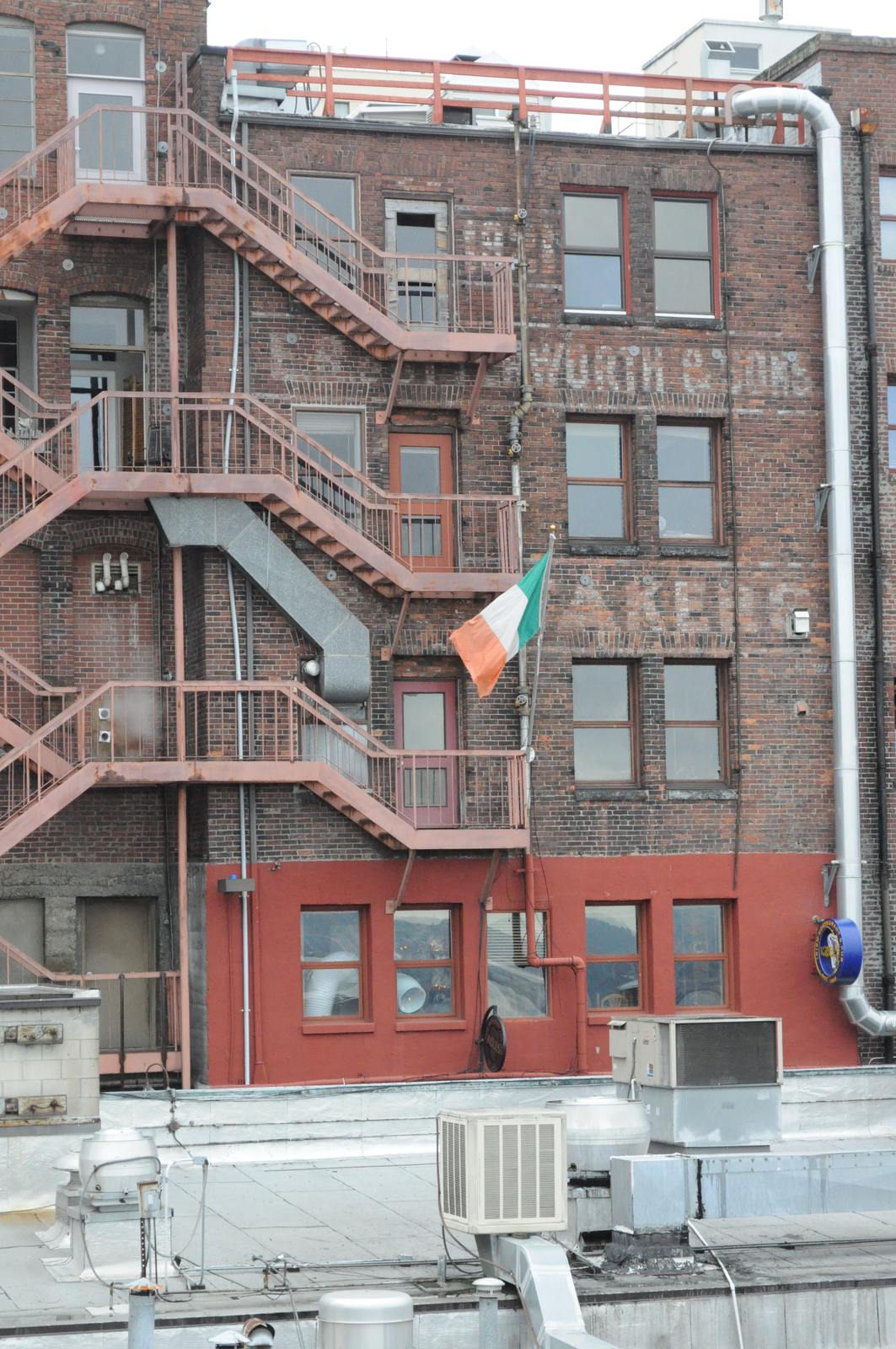
This is where the Atlas gets to do what it does best — separate the documented record from the legend. The facts: the Butterworth Building went up in 1903 as Seattle’s first purpose-built mortuary for Butterworth & Sons. It was an engineering landmark in its own right — it housed the first elevator on the West Coast, installed to move bodies between floors. The McAleese family has owned the building since 2005, and its Post Alley basement level is now Kells Irish Pub.
The legend: recent accounts say the basement — the space Kells now occupies — was the embalming room and crematorium, Seattle’s first. But the contemporary record disagrees: a 1904 newspaper account describes the basement as housing the heating plant, stables, and storage for funeral wagons, and the crematory described in later histories belonged to the company’s 1923 Melrose Avenue location, not this building. So the “crematorium” is folklore layered over a real mortuary — which, frankly, makes the ghost stories more interesting, not less.
And the stories persist regardless: Kells is a regular stop on Seattle ghost tours and was featured on Ghost Adventures in 2010. Staff and guests report the usual pub-haunting repertoire — moved objects, cold spots, and the feeling of being watched in the basement.
Visit: Operating pub and restaurant — enter via 1916 Post Alley, Seattle (the building’s official address is 1921 First Avenue). Order a pint; the history comes free.
Know before you go
- Northern State Hospital is grounds-only. The trails are public; the buildings are not. Stay on marked paths, go in daylight, and never enter the structures.
- Book ahead in October. The haunted rooms at Tokeland Hotel and Manresa Castle are the first to go every Halloween season.
- Respect the living. These are working businesses, a performance venue, and people’s workplaces. Visit as a customer, not a trespasser.
- Check hours before you drive. Small-town venues and seasonal tours change schedules — confirm before you go, especially for Port Gamble’s ghost walks and the Oxford Saloon’s music calendar.
Frequently Asked Questions
Are these places open to the public?
Six of the seven, yes — they’re operating hotels, a theater, a saloon, a pub, and a public historic town. Northern State Hospital is the exception: only the recreation area grounds and trails are public; the buildings are off-limits.
Which Washington landmark is the most haunted?
There’s no objective ranking, but by volume of reported experiences, Manresa Castle and Northern State Hospital come up most often — the castle from overnight guests, the hospital grounds from paranormal investigators. Tokeland Hotel’s Charley has the longest-running lore of the group.
Can you stay overnight at any of them?
Yes — Tokeland Hotel and Manresa Castle are both operating hotels, and both acknowledge their haunted rooms (Rooms 4 and 7 at Tokeland; 302 and 306 at Manresa). Book directly and ask about the rooms by number.
Is it legal to visit Northern State Hospital?
The Northern State Recreation Area’s trails are public and legal to visit. Entering any of the abandoned buildings is trespassing. Stick to the marked trails, visit in daylight, and treat the structures as look-don’t-touch.
What’s the best time of year to visit?
October, honestly — several of these places lean into the season with tours and events, and the atmosphere does the rest. But the buildings are just as old in March.
Keep exploring
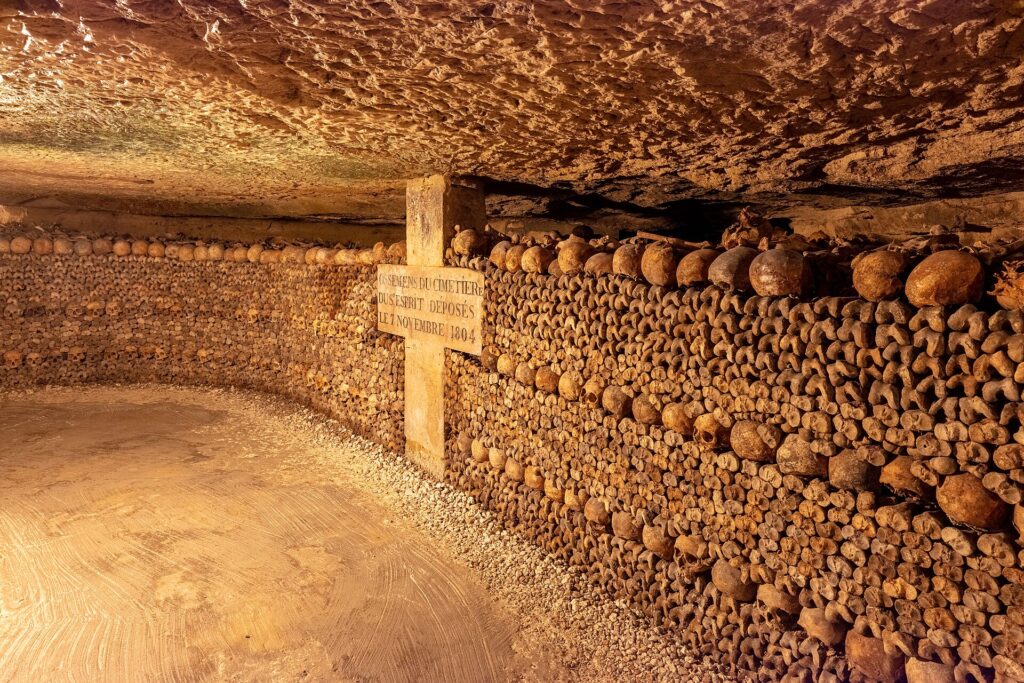
The Paris Catacombs: History, Hauntings & How to Visit
Twenty metres beneath the streets of Paris, in tunnels the city dug to build itself, lie the bones of more than six million Parisians — stacked…
Read story →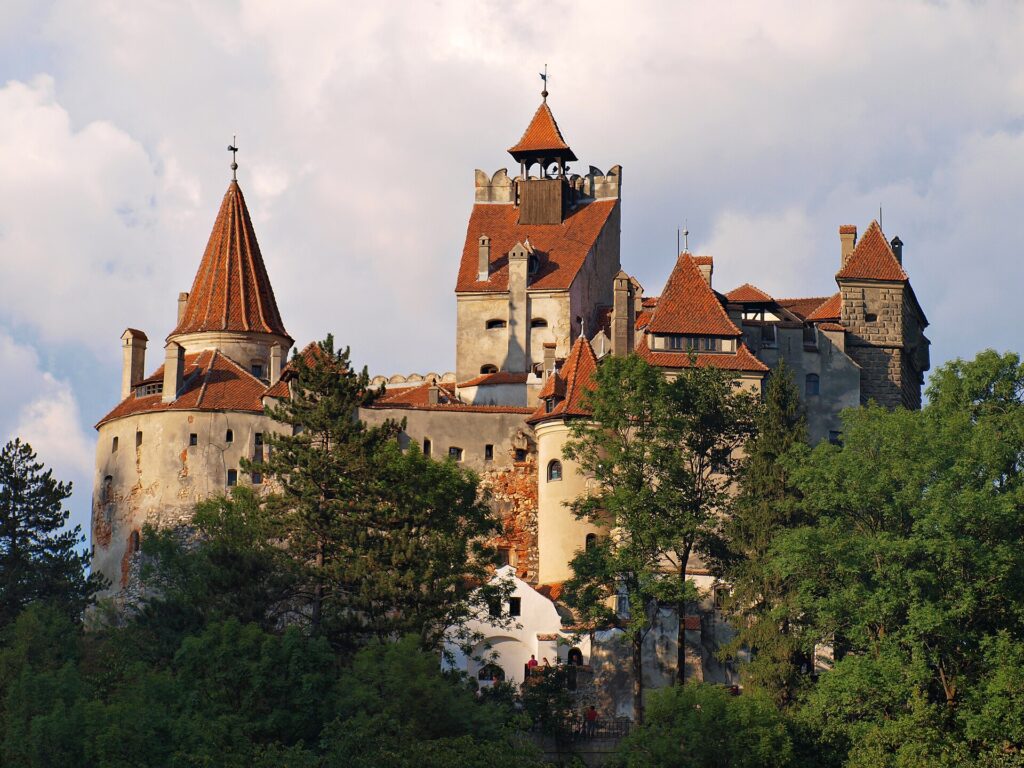
8 Haunted Places in Transylvania (Historic Guide)
Transylvania is the most famous haunted address on earth — and the place where the Atlas rule matters most. The Dracula story everyone arrives with is,…
Read story →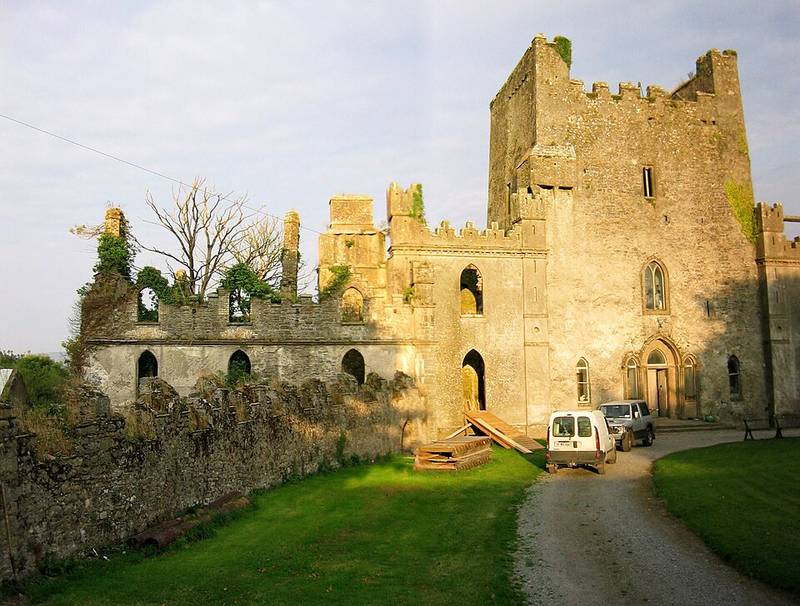
8 Haunted Places in Ireland (Historic Guide)
8 Haunted Places in Ireland (Historic Guide) Halloween began in Ireland. Before it was costumes and candy, it was Samhain, the festival that marked the end…
Read story →