Haunted Portland Walking Tour: 8 Stops (Self-Guided)
Portland keeps its ghosts close to the sidewalk. In about three miles of flat downtown walking — from the old shanghaiing waterfront of Old Town to…
Reader’s note: supernatural accounts are presented as folklore and reported experiences, not established fact.
Portland keeps its ghosts close to the sidewalk. In about three miles of flat downtown walking — from the old shanghaiing waterfront of Old Town to the grand hotel lobbies of Broadway — you can stand outside a 1905 sailors’ saloon, eat pizza above the famous Shanghai Tunnels, and finish the evening in a century-old hotel lobby where the staff will tell you exactly which staircase the ghost prefers. Eight stops, all verified: the history is documented, the hauntings are reported folklore, and we’ll always tell you which is which — including the famous tunnel legend the historical record contradicts.
The route runs north to south, roughly 3.3 miles and two to two-and-a-half hours at a stroll with stops. All flat downtown sidewalks.
1. White Eagle Saloon — 836 N Russell St
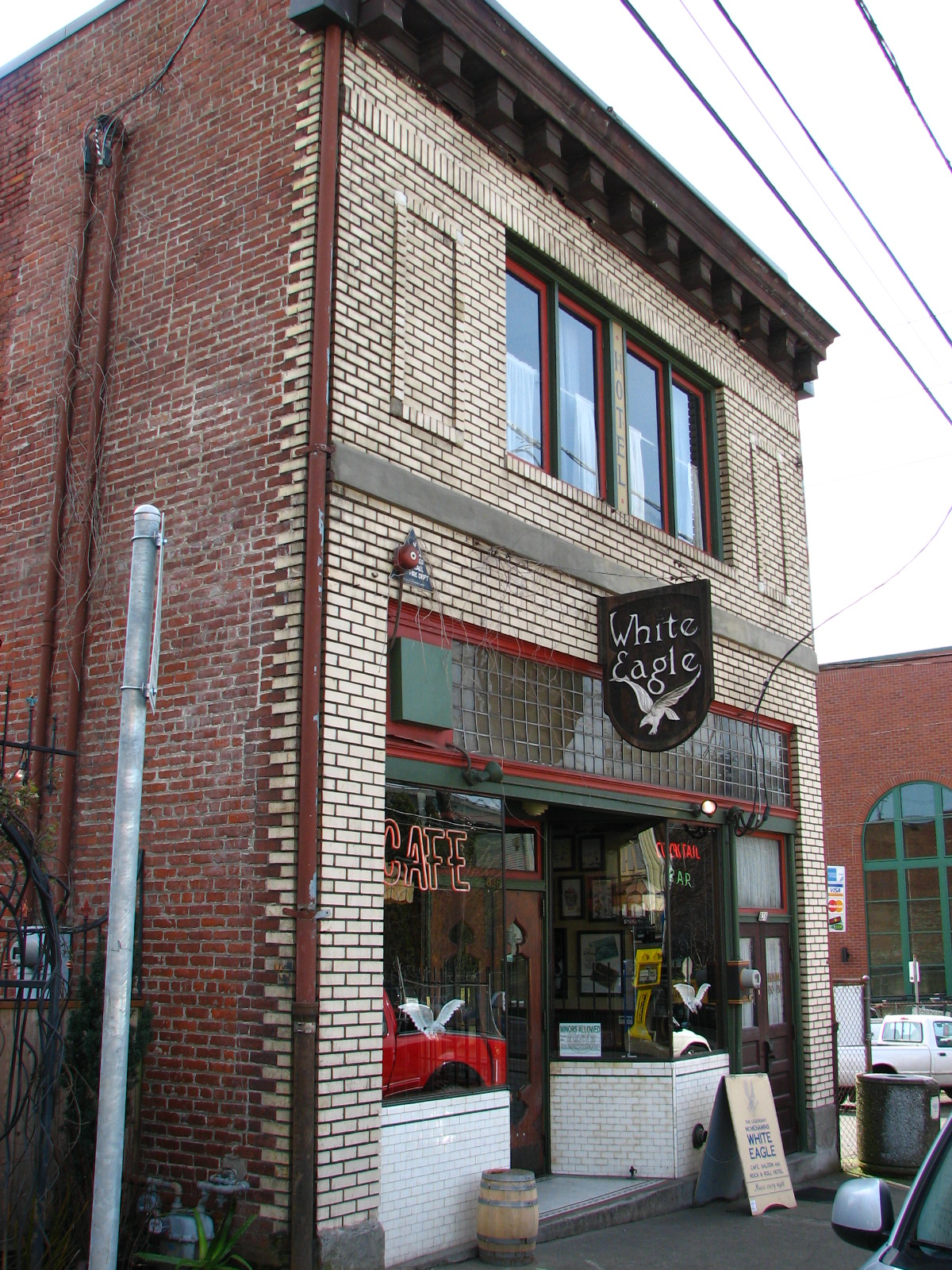
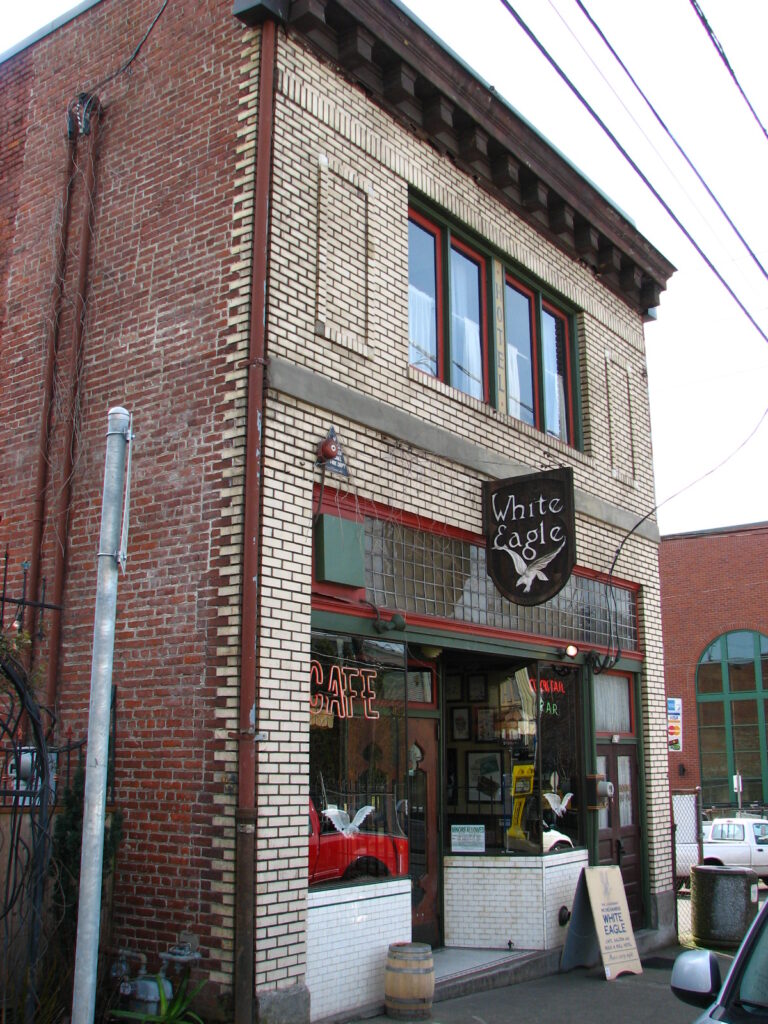
Built in 1905 by Polish immigrants Bronislaw Soboleski and William Hryszko as a saloon and meeting hall, the Hryszko Brothers Building — now on the National Register of Historic Places — sits in what was once Portland’s Albina district, nicknamed the “Bucket of Blood” for its rough waterfront clientele. In the shanghaiing era it was a sailors’ bar; the building later served as a brothel. McMenamins has operated it for decades as a saloon, live-music venue, and 11-room hotel.
The lore: the White Eagle is widely called one of Portland’s most haunted buildings. Reported figures include “Rose,” said to be a sex worker murdered by a jealous lover and associated with the hotel rooms, and “Sam,” a former caretaker or bartender described as mischievous but harmless. Staff and guests have reported disembodied voices, cold drafts, doors opening on their own, and objects — including condiments — thrown in the kitchen. All of this comes from staff and patron reports and local legend; the specific identities and causes of death are unverified.
Visit: Operating business — go inside as a customer. The saloon and restaurant are open to the public, with live music most nights. The hotel rooms (shared baths, no A/C) are bookable if you want the full experience.
2. Old Town Pizza & the Shanghai Tunnels — 226 NW Davis St
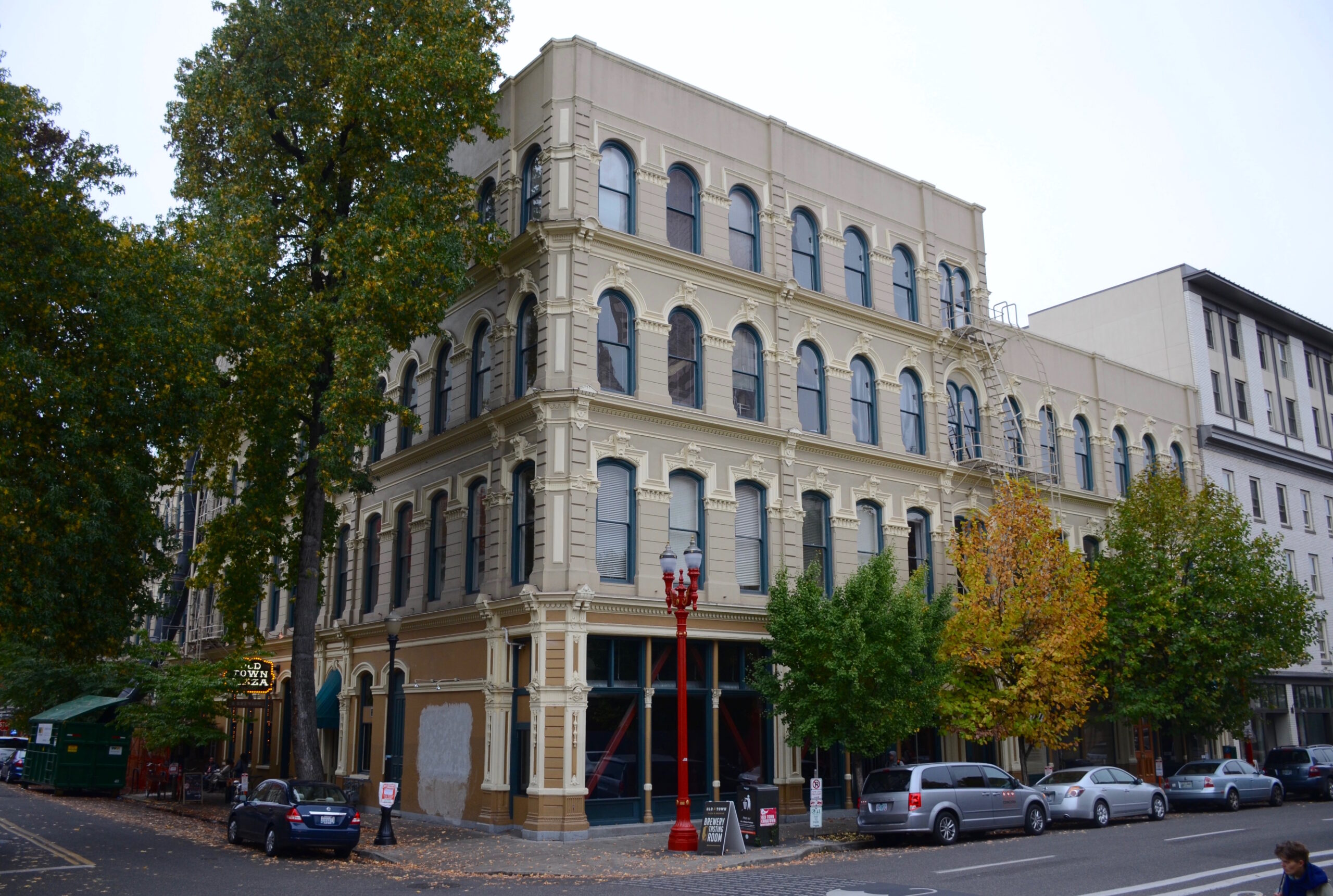
The Merchant Hotel was built 1880–1884 by brothers Louis, Adolph, and Theodore Nicolai to designs by Warren Heywood Williams — Victorian Italianate in cast iron, one of the few such buildings left on the West Coast. It was a luxury hotel with one of Portland’s first hydraulic elevators; hotel operations ended in 1967, and the building was restored in 1968–69. It’s a contributing property in the Skidmore/Old Town Historic District. Today the ground floor holds Old Town Pizza, and beneath it runs the city’s most famous underground.
Now the correction this stop demands. The tunnels are real: a warren of connected basements and low passages built mainly from the 1850s to the 1890s for moving goods, flood protection, and linking waterfront businesses. Shanghaiing — kidnapping men into forced maritime labor — was also real and plagued every major West Coast port. But modern historians agree the dramatic version, an underground kidnapping highway with victims drugged, dropped through trapdoors, and funneled for miles to waiting ships, is largely myth. No contemporary records, maps, or court documents support it; the wildest stories took off in newspaper features from the 1930s to the 1970s and in ghost-tour lore. Both halves, honestly told.
The lore: the building’s resident ghost is “Nina” (pronounced “Nigh-na”), said to be a young sex worker at the Merchant Hotel who agreed to inform missionaries trying to “clean up” the district, and was then found dead — thrown down the elevator shaft. Her name is reportedly carved into the brick of the old shaft, now a booth at the back of the restaurant. Diners and staff report a woman in a black dress, a whiff of perfume, and a tap on the shoulder with no one there. No verifiable record of Nina’s identity or death has been produced — this one lives entirely in legend, and the pizzeria’s own site leans into the telling.
Visit: Operating pizzeria and brewery — go in for a slice. The Shanghai Tunnel tour beneath the building is a separate ticketed guided tour; book ahead and check the current schedule. The exterior is freely viewable from Davis Street.
3. Roseland Theater — 8 NW 6th Ave
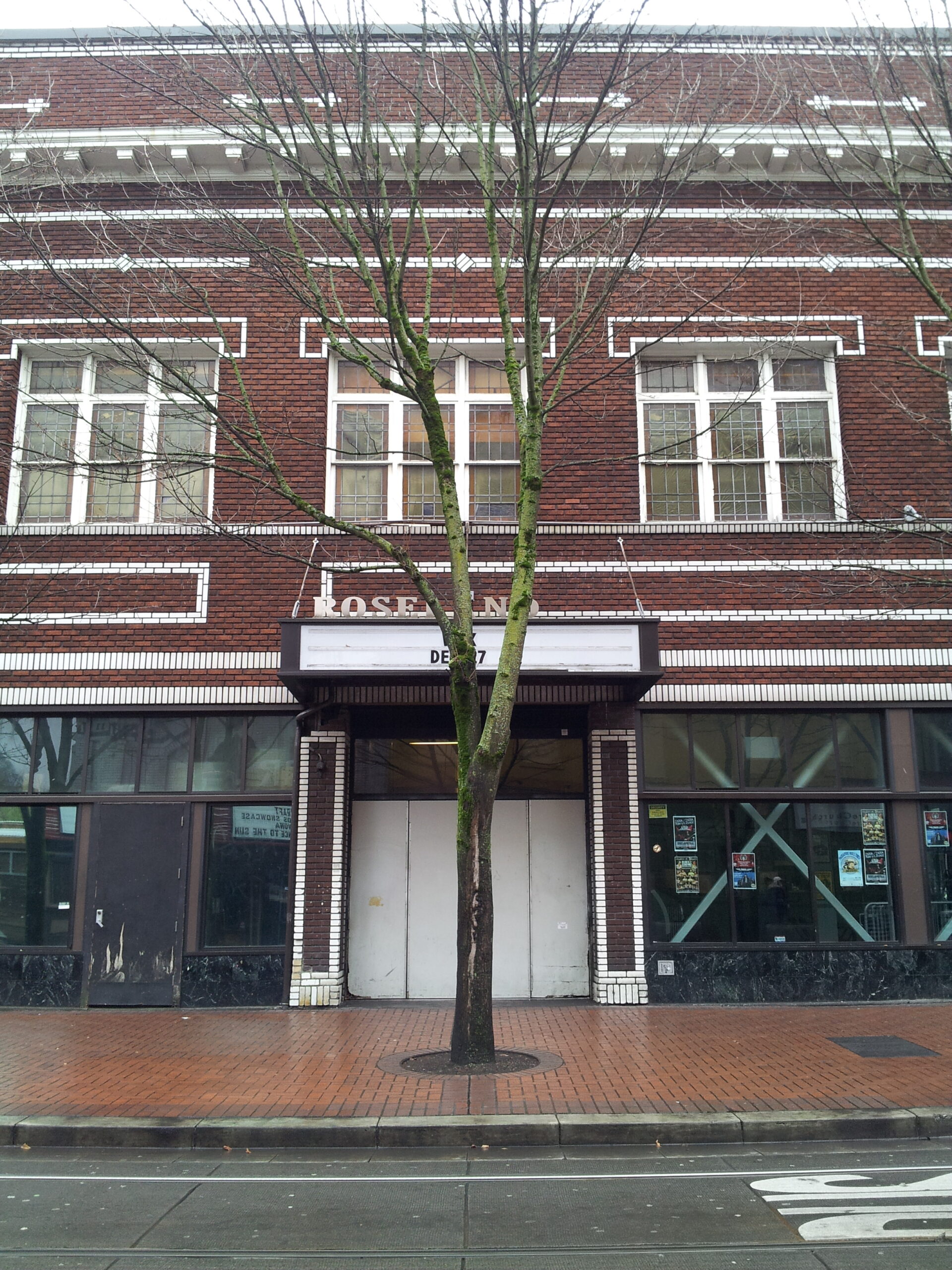
A 1,400-capacity music venue in Old Town Chinatown. In the late 1980s and early 1990s the room operated as the Starry Night nightclub — and this stop carries the route’s one documented violent history. In January 1990, counterfeit tickets were found being sold to a John Lee Hooker concert at Starry Night; three days later, 21-year-old promotions manager Tim Moreau vanished. A 1990 Willamette Week investigation by Jim Redden exposed the case, and club owner Larry Hurwitz was sentenced in 2000 to 11 years in prison for Moreau’s murder. We’ll leave the details there — the record is public for those who want it.
The lore, kept brief and carefully framed: staff and patrons have reported the venue haunted by Moreau — unexplained sounds and a presence in the building. The murder is documented fact; the haunting is reported claims only.
Visit: Active concert venue — exterior viewing from the sidewalk anytime; interior only with a show ticket. Check the venue calendar.
4. Kells Irish Pub — 112 SW 2nd Ave
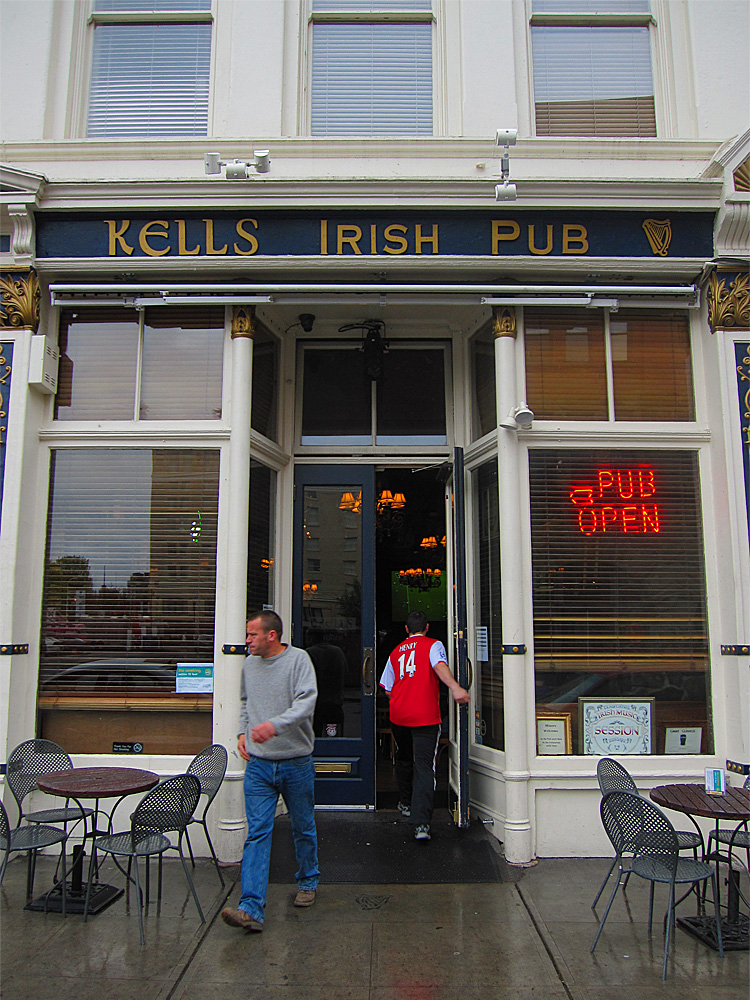
Kells opened in 1990, founded by Irish immigrants Gerard and Lucille McAleese in the historic late-19th-century Glisan Building. The pub’s basement connects toward the old Shanghai Tunnel network. And the “firefighter ghost” of local legend is layered onto a real figure: David Campbell, Portland Fire Chief from 1893 to 1911, killed on June 26, 1911, when an oil tank exploded during the Union Oil distribution plant fire. His funeral drew some 150,000 mourners, and the David Campbell Memorial on West Burnside is on the National Register.
The lore: staff report a piano playing by itself, televisions switching on and off, unseen touches, and a black mist moving through the pub. The most-cited apparition is a firefighter in full regalia, identified by believers as Chief Campbell. Activity centers on the basement near the old tunnel entrance. Frame it as the staff and visitors do — reports, not records — and note that the Campbell identification is legend layered onto a genuinely heroic historical figure.
Visit: Operating pub and restaurant — walk in for food or a pint (family-friendly by day; 21+ in the bar areas late). Most reports cluster in the basement and cigar-room area; the staff are used to the question, so ask politely.
5. Crystal Hotel — 303 SW 12th Ave
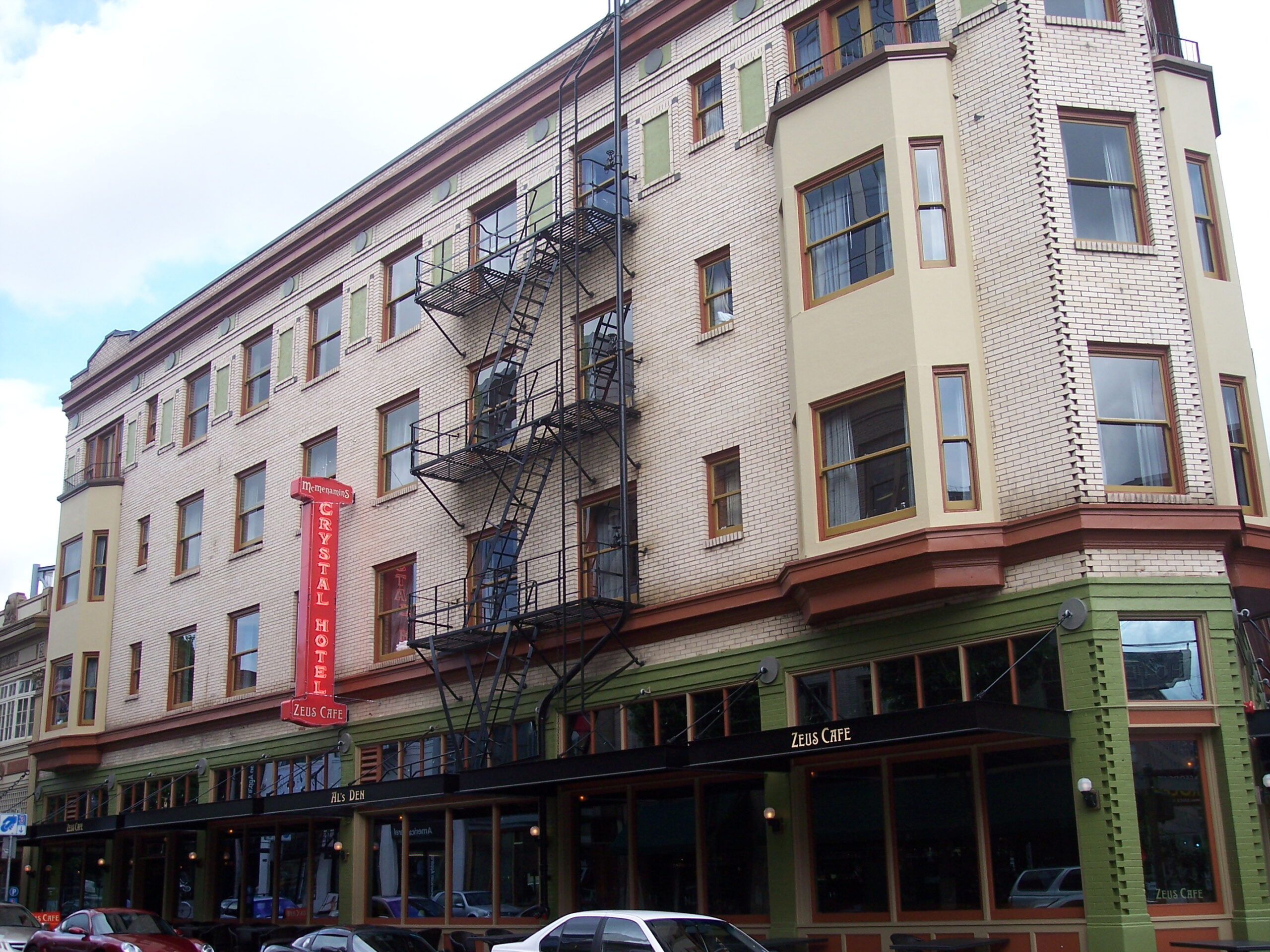
The quietest haunting on this route — and worth including for the history alone. The triangular “pizza-slice” building is on the National Register, listed notably for its significance as a safe social space for Portland’s LGBTQ+ community. Its past lives include an auto-parts store, underground gambling rooms, a string of nightclubs, and a men’s-only subterranean bathhouse. McMenamins bought it in 2007, renovated for four years, and reopened it as the music-themed Crystal Hotel in 2011; each room honors a band or performer tied to the neighboring Crystal Ballroom.
The lore is thinner here than at the company’s other haunted properties, and honesty requires saying so: guests and investigators describe a general sense of lingering presences tied to the building’s nightclub and bathhouse eras rather than one named ghost. Consider it a rest stop with atmosphere — the draw is a century of Portland nightlife under one roof.
Visit: Operating hotel — the lobby and Zeus Café are open to the public, and the striking exterior makes a good photo stop roughly mid-route.
6. Crystal Ballroom — 1332 W Burnside St
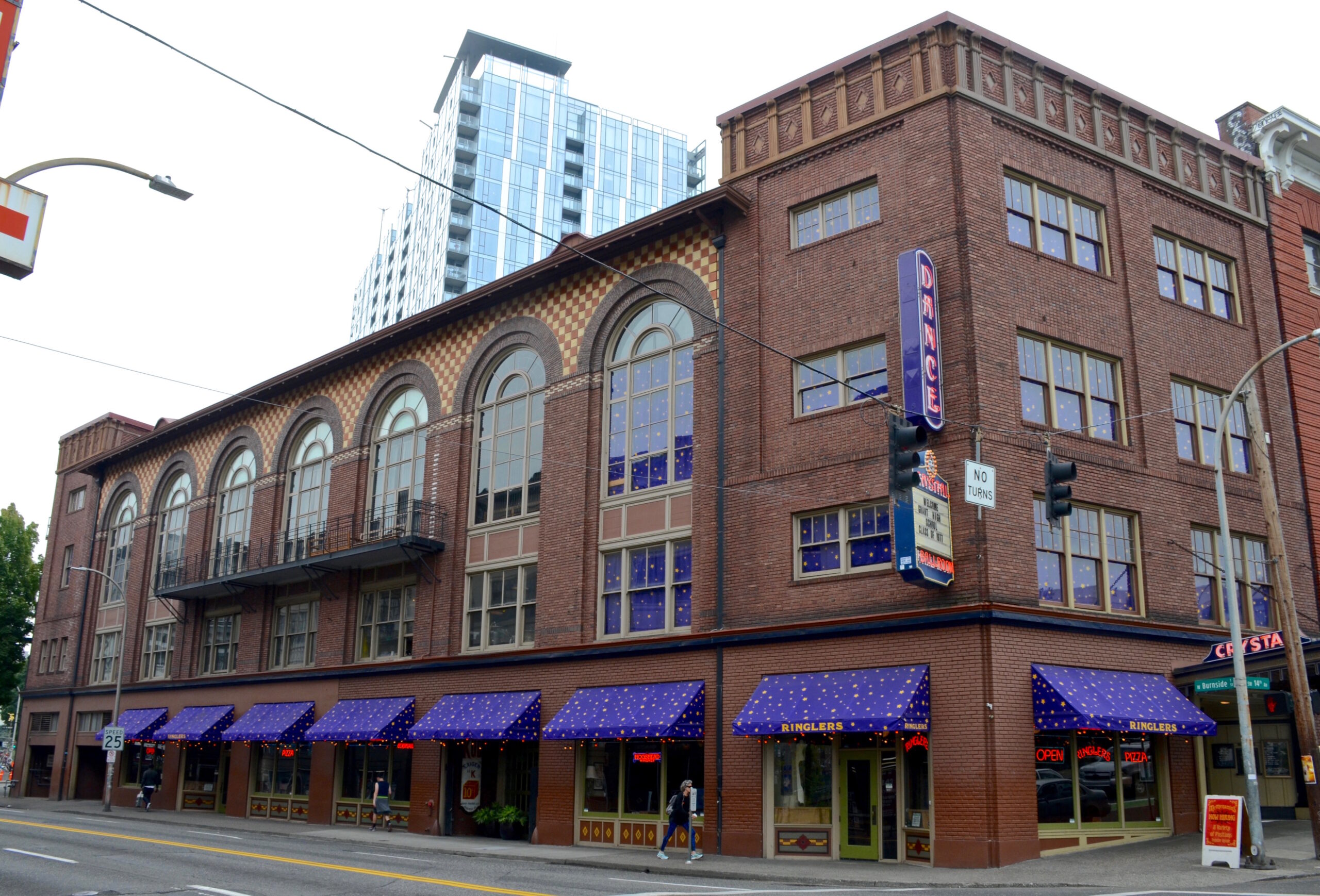
Opened in 1914 as Cotillion Hall, this was a dance hall through the flapper and jazz eras — it drew reformers’ ire, including a crusade by Lola Baldwin, the first female police officer in the United States — then a legendary psychedelic-rock room that hosted James Brown, the Grateful Dead, and many more. It fell into disrepair before McMenamins bought and restored it in 1997. It’s famous for its “floating” mechanical dance floor, one of the last in the country.
The lore: employees have reported disembodied laughter in the ballroom after closing; local legend describes apparitions of 1920s-dressed dancers and a ghostly jitterbugging couple. Employee accounts and local legend — a century of music leaves stories the way a dance floor leaves scuffs.
Visit: Active concert venue — admire the exterior and the famous marquee from Burnside; interior only with a show ticket.
7. Benson Hotel — 309 SW Broadway
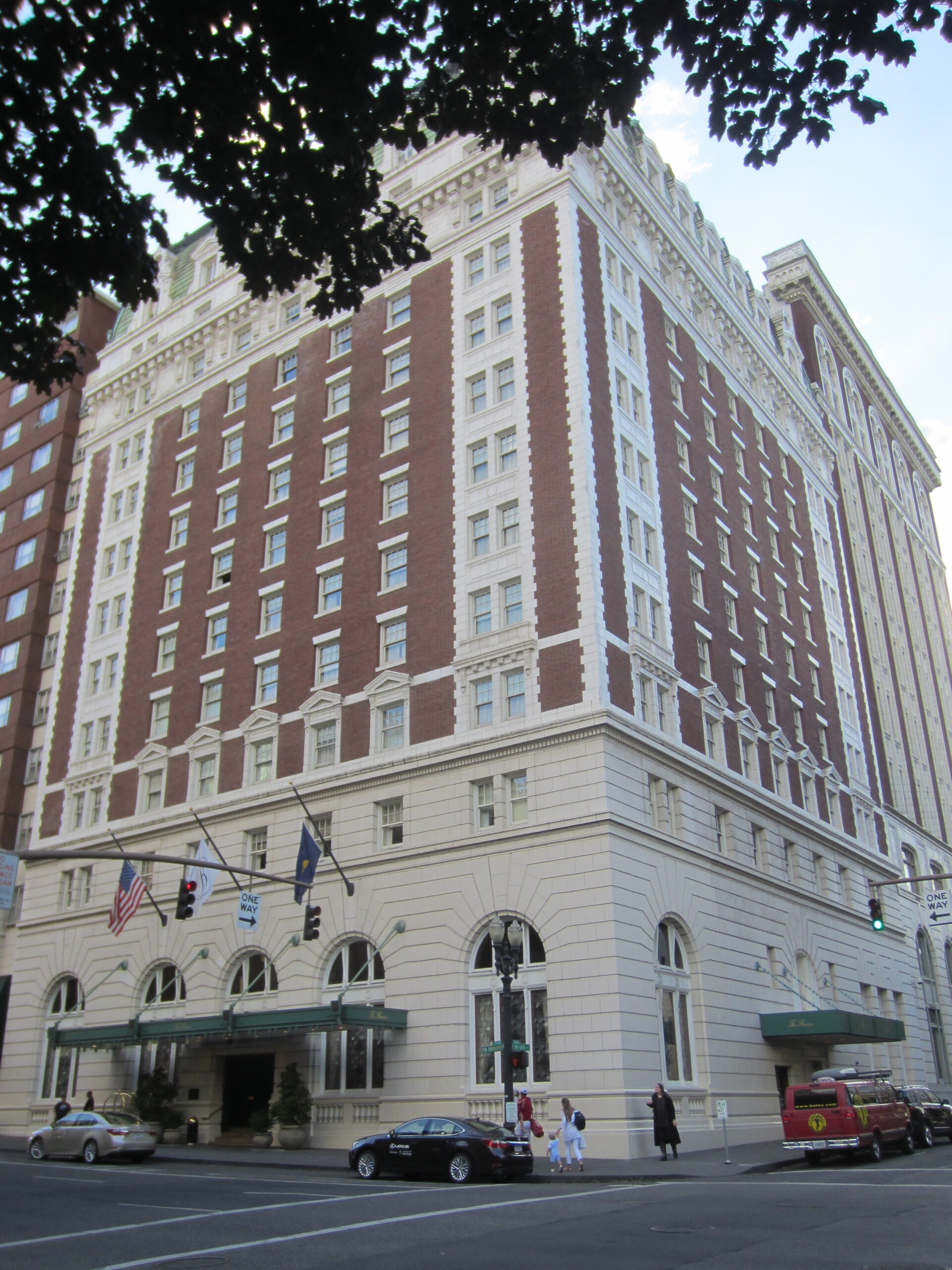
Built in 1912 by lumber baron Simon Benson and opened in 1913 — modeled on Chicago’s Blackstone Hotel, twelve stories, Italian marble, Circassian walnut from Russia. Benson was a teetotaler who funded Portland’s famous Benson Bubbler drinking fountains; he died in 1942. The hotel has hosted every U.S. president since Woodrow Wilson except George W. Bush, and it was listed on the National Register in 1986.
The lore leans on a delicious irony. Guests and staff have reported a well-dressed male apparition — sometimes described floating or descending the grand staircase, occasionally moving as if to usher people aside — believed by staff to be Simon Benson himself, said to be annoyed by the hotel’s now-expansive bar. The teetotaler haunting the cocktail lounge writes its own headline. Other reports: a woman in a white or turquoise gown seen in the lobby’s large gilded mirror, a helpful “night porter” who vanishes, and activity on the 7th, 9th, and 12th floors. Guest and staff reports, as ever.
Visit: Operating hotel (now Curio Collection by Hilton) — the lobby, mezzanine, and bar are publicly accessible and worth the walk-through; polite visitors are welcome. The grand staircase and the lobby mirror are the reported hotspots.
8. Heathman Hotel — 1001 SW Broadway
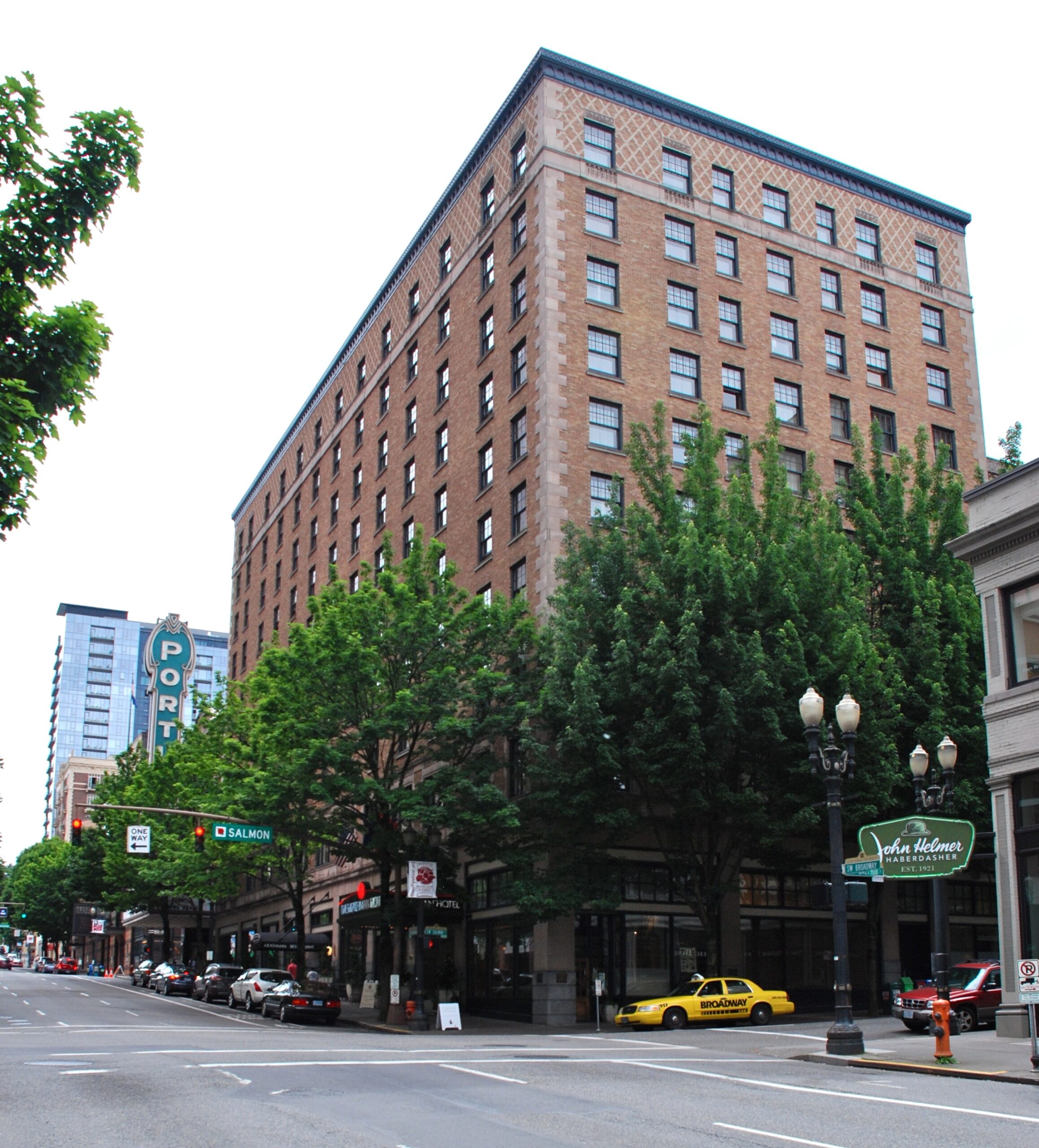
The finale. Construction began in 1927; the Italian Renaissance Revival hotel, designed by DeYoung & Roald, opened on December 17, 1927, with the mayor and governor at the dedication. Named for George Heathman Jr., whose family ran it into the 1960s, it was restored in a $16 million mid-1980s renovation as a cultural-district landmark. Its library holds more than 3,000 author-signed books.
The lore has a pattern worth knowing: rooms ending in “03” — 703, 803, 1003 — draw the most reports. Guests have described cold spots, moved furniture, used towels in empty rooms, drained water glasses, and a hazy face or an apparition at the foot of the bed (Room 803 comes up most). Legend attributes it to a suicide by jumping from an upper floor, the spirit haunting each “03” room passed on the way down — a story a visiting psychic reportedly corroborated. No verifiable record of the death was found, so the cause stays in the legend column while the guest experiences stay in the reports column.
Visit: Operating hotel — the lobby and library are publicly accessible, and the restaurant and bar make a fitting end-of-tour stop. Guest-room floors are for guests only.
Frequently Asked Questions
How long is the Haunted Portland walking tour?
About 3.3 miles point to point, roughly 2 to 2.5 hours at a relaxed stroll with time at each stop. The route is flat downtown sidewalk the whole way, running north to south from Old Town to Broadway.
Is the tour free?
Yes — it’s self-guided, so the walk itself costs nothing. The Shanghai Tunnel tour beneath Old Town Pizza is a separate ticketed guided tour; book ahead if you want to go underground.
Can you go inside the buildings?
Mostly you’ll view exteriors, but several stops are operating businesses: grab a slice at Old Town Pizza, a pint at Kells or the White Eagle, and walk through the Benson and Heathman lobbies. The Roseland and Crystal Ballroom interiors are only open with show tickets, and hotel guest floors are off-limits.
What’s the best time of day to do it?
Late afternoon into evening gives the best atmosphere — the Old Town and Burnside stops look their moodiest after dark. Note that parts of Old Town can feel rough late at night; stick to the route, stay aware, and consider doing the northern half in daylight if you’re cautious.
Are the Shanghai Tunnels real?
The tunnels are real — connected basements and passages built from the 1850s to the 1890s, mostly for moving goods. But historians say the famous version, an underground kidnapping highway funneling drugged victims to waiting ships, is largely myth, amplified by newspaper stories from the 1930s–1970s and by ghost tours. Shanghaiing itself genuinely happened in every West Coast port.
Keep exploring
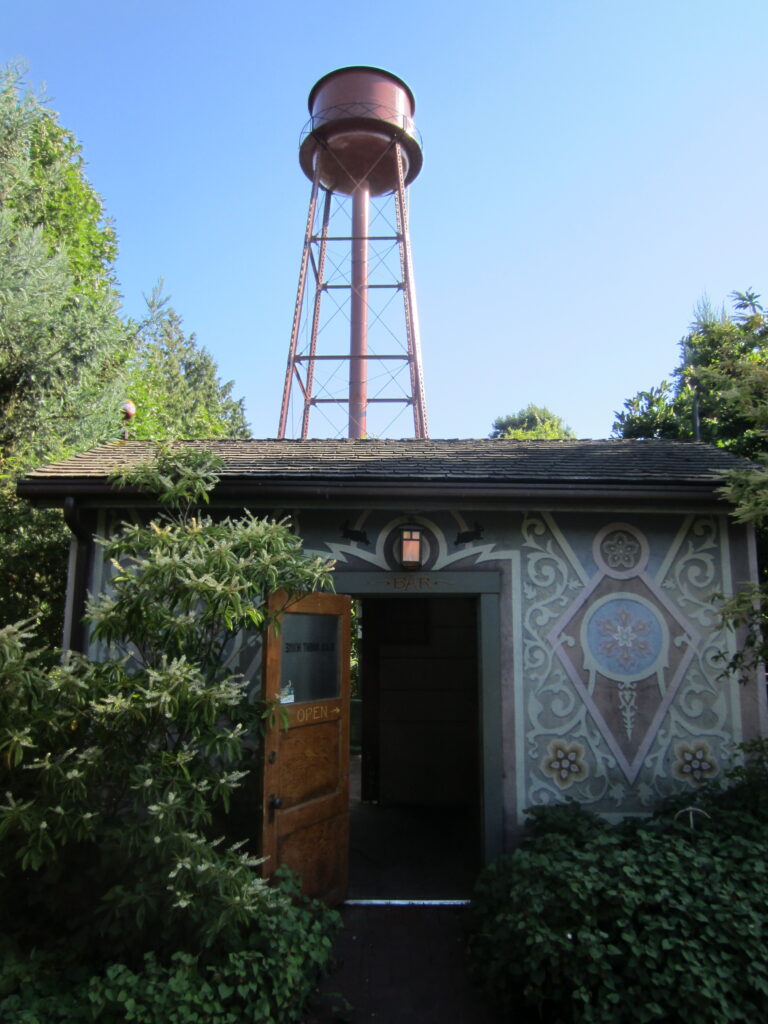
8 Haunted Hotels in Oregon You Can Actually Book (Historic Guide)
Oregon's ghost stories are easy to visit and hard to sleep in — in the best way. This list is different from a roundup of haunted…
Read story →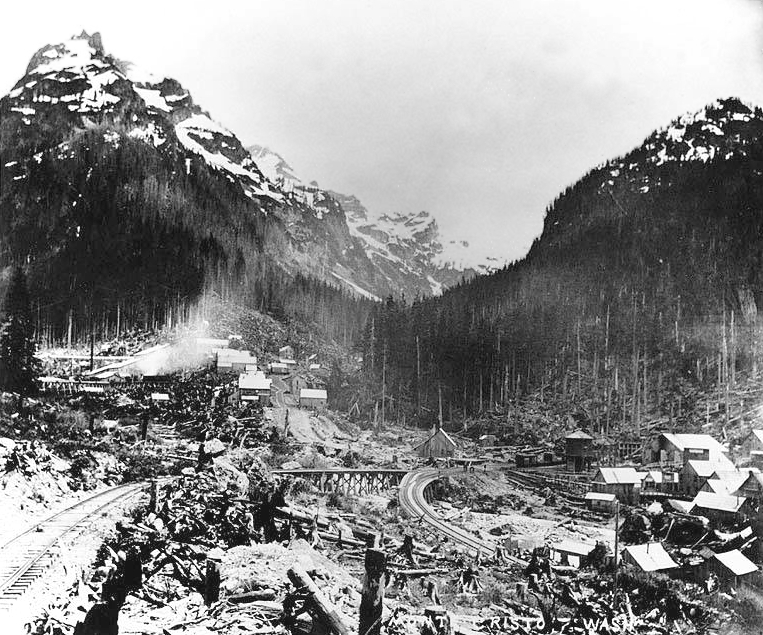
8 Haunted Ghost Towns of the Pacific Northwest
The Pacific Northwest is studded with towns that boomed on gold, coal, and wool — and died when the ore ran out, the railroad moved on,…
Read story →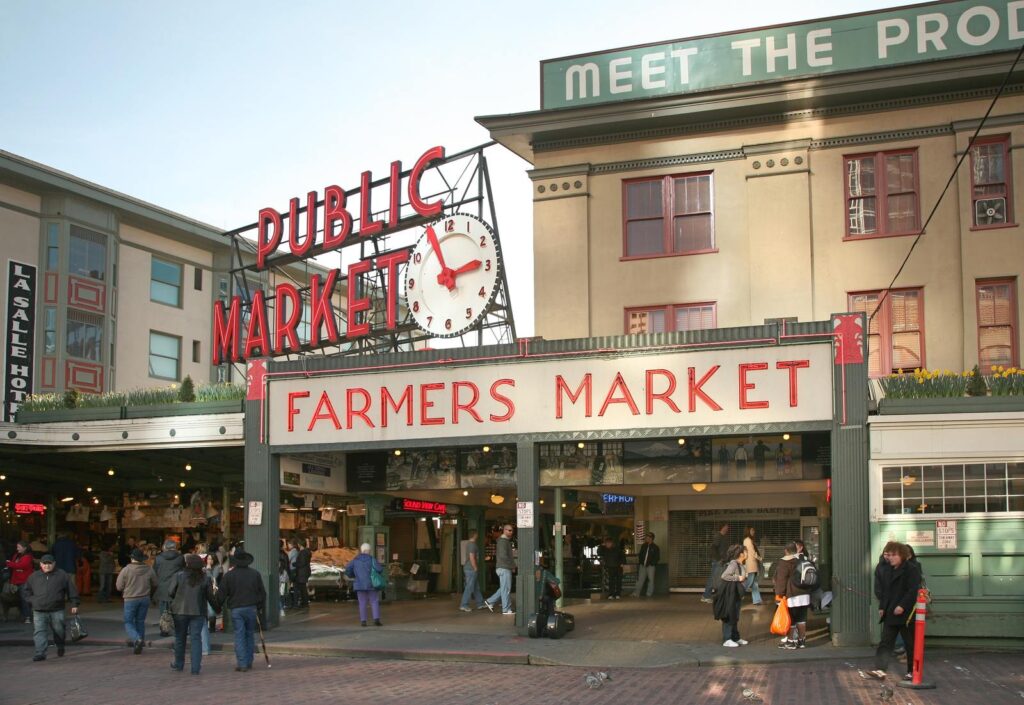
10 Haunted Ghost Tours in Washington State (2026 Dates, Tickets & Guide)
Some haunted places you visit. Others, you let a guide walk you through after dark. Washington has both — and this is the after-dark list. Every…
Read story →