8 Haunted Hotels in Washington State You Can Book Tonight
Plenty of haunted places will sell you a ghost tour. Far fewer will hand you a room key. Every hotel on this list is a real,…
Reader’s note: supernatural accounts are presented as folklore and reported experiences, not established fact.
Plenty of haunted places will sell you a ghost tour. Far fewer will hand you a room key. Every hotel on this list is a real, operating, bookable property in Washington State — verified taking reservations in 2026 — and every one carries a haunting tradition worth knowing before you check in. We’ll give you the documented history, the reported haunting with named sources, and — this being the Atlas — the honest check wherever the record undercuts the legend. Two of the most famous ghost stories on this list were flatly invented, and we’ll show you the receipts.
For the national picture, see our 20 Most Haunted Hotels in America. And one deliberate omission: Washington’s most famous castle stay — Thornewood Castle in Lakewood, the 500-year-old English manor that starred as Stephen King’s Rose Red — already has its own full Atlas investigation here. What follows are eight more, each with a room you can request by number.
1. Manresa Castle — Port Townsend
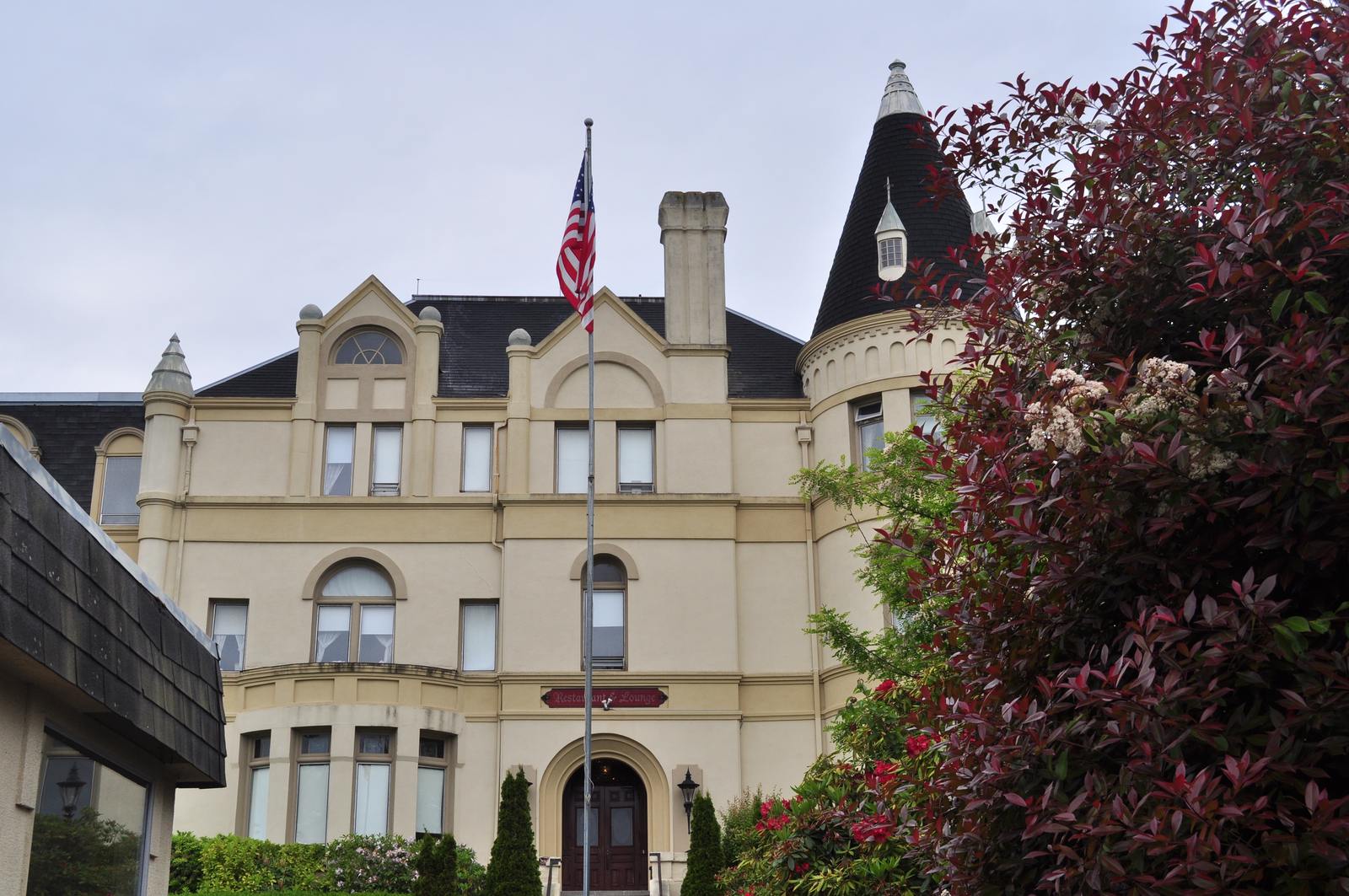
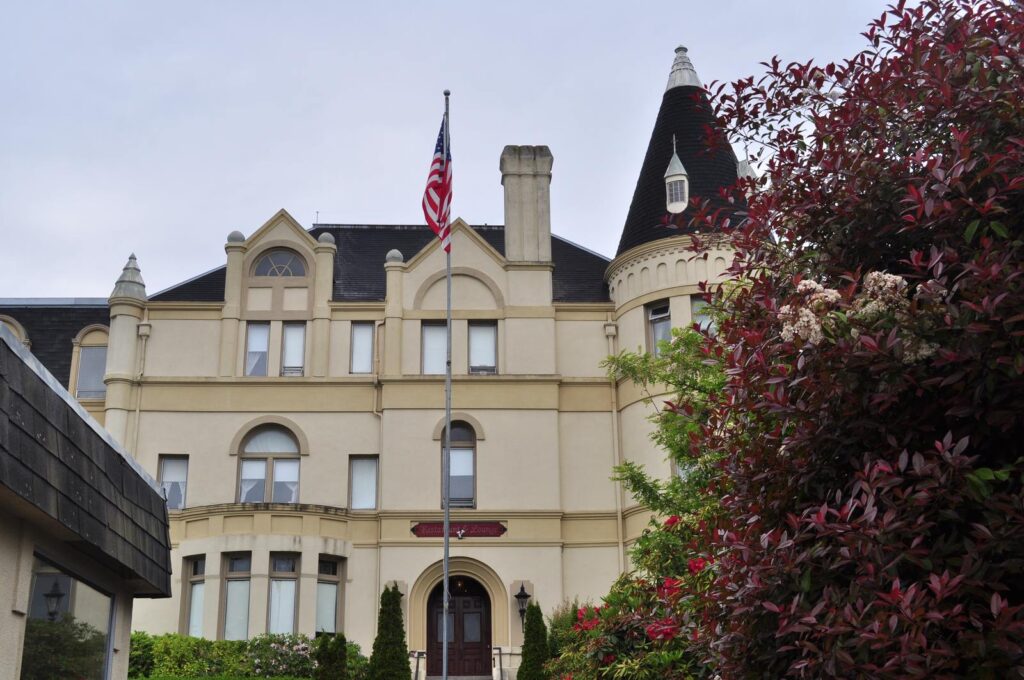
Completed in 1892 as Eisenbeis Castle, the 30-room home of Charles Eisenbeis — Prussian immigrant and Port Townsend’s first mayor — built with 12-inch brick from Eisenbeis’s own brickworks. After Charles died in 1902 the house sat nearly empty for some twenty years; the Society of Jesus bought it in 1927 as Manresa Hall, a final-year seminary, adding a wing, chapel, and elevator in 1928. The Jesuits left in 1968 and it became a hotel. It’s on the National Register of Historic Places and was featured on Ghost Adventures (Season 2).
The standard legend names two ghosts: Kate, said to have leapt to her death (Room 306 in most tellings, 302 in others) after hearing her lover was lost at sea, and a Jesuit priest who supposedly hanged himself in the attic. Guests report footsteps overhead, sheets pulled from beds, televisions switching on by themselves, and glasses overturning in the café — the former chapel. A guest logbook kept in Room 306 was eventually removed after too many midnight room-change requests.
Now the honest check — the centerpiece of this whole article. In the Seattle Times on May 10, 2004, then-general manager Roger O’Connor told reporter Jonathan Martin the ghost tales were “mostly bunk”: bartender Nick Gale, tired of fielding ghost questions, had invented both stories, and O’Connor authorized them on one condition — they be set in the inn’s two most expensive rooms. O’Connor further admitted to dashing past the bar in a white sheet on slow Saturday nights. Owner Lena Humber’s comment: “The ghosts are no extra charge.” No historical record of any Jesuit suicide at Manresa Hall exists. And yet — the legend outlived its own confession. Activity reports continued after the exposure: doors locking and unlocking in vacant rooms, per the PNW Haunts & Homicides podcast. A ghost story the hotel admits inventing, still drawing believers twenty years later — that’s a haunting of a different kind.
Book it: Mid-tier, roughly $140–$167 a night. The lore rooms are 302, 304, and 306; the Tower Suite is the premium option. Ask for 306 if you want the full experience — just know exactly who put the ghost there.
2. Hotel Sorrento — Seattle (First Hill)
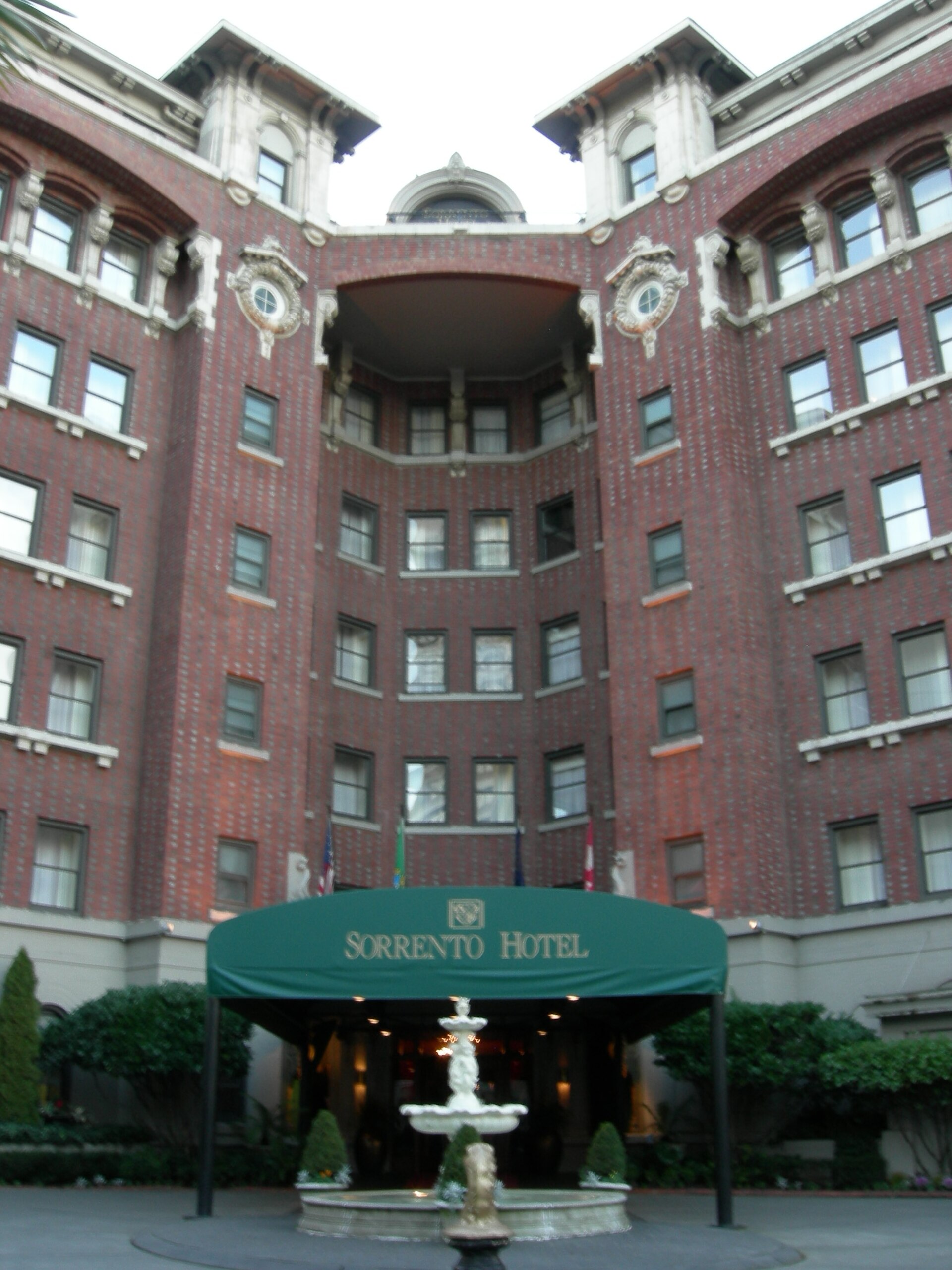
Developed by clothing merchant Samuel Rosenberg and designed by Harlan Thomas, the Sorrento opened in spring 1909 for the Alaska-Yukon-Pacific Exposition — the Seattle Times called it “a credit to Seattle,” and its top-floor dining room was the city’s first rooftop restaurant. Rosenberg traded the hotel in 1910 for an Oregon orchard (his sons later built the Harry & David brand on it); the Malone family bought and renovated it in the 1980s. It’s a designated Seattle Landmark and joined the National Register in 2021.
The resident ghost is Alice B. Toklas — Gertrude Stein’s partner and author of the famous cookbook. Reports describe her figure in a white dressing gown wandering the fourth-floor hallway near Room 408, flickering lights, drinks moved in the Fireside Room, and a piano heard in the Penthouse Suite with no pianist. Named sources include Fodor’s and Literary Hub, which traces the story’s modern spread to a Sorrento waiter telling it at a literary festival — prompting author Rebecca Brown to propose a literary séance. The hotel leans into the lore; in 2018 it hosted a dinner cooked from Toklas’s own cookbook.
The honest check: Alice B. Toklas never stayed at the Hotel Sorrento. As far as anyone knows, she never set foot in it. The timeline kills the legend cleanly — born in San Francisco in 1877, she moved to Seattle at 13 in 1890, lived on First Hill and studied music at the University of Washington, then left for San Francisco around 1891 and Paris in 1907 — two years before the hotel opened. She died in Paris in 1967. The legend’s only hook — that the hotel may stand near her childhood home — is itself unverified. A haunting by someone who died on another continent, in a building constructed after she left town: the Atlas prints the correction proudly.
Book it: Upscale boutique, from around $195 a night. Request Room 408 for the lore; the Penthouse Suite is the second haunted location. The Fireside Room and the Dunbar Room bar are worth an evening regardless of your beliefs.
3. The Arctic Club Hotel — Seattle (Downtown)
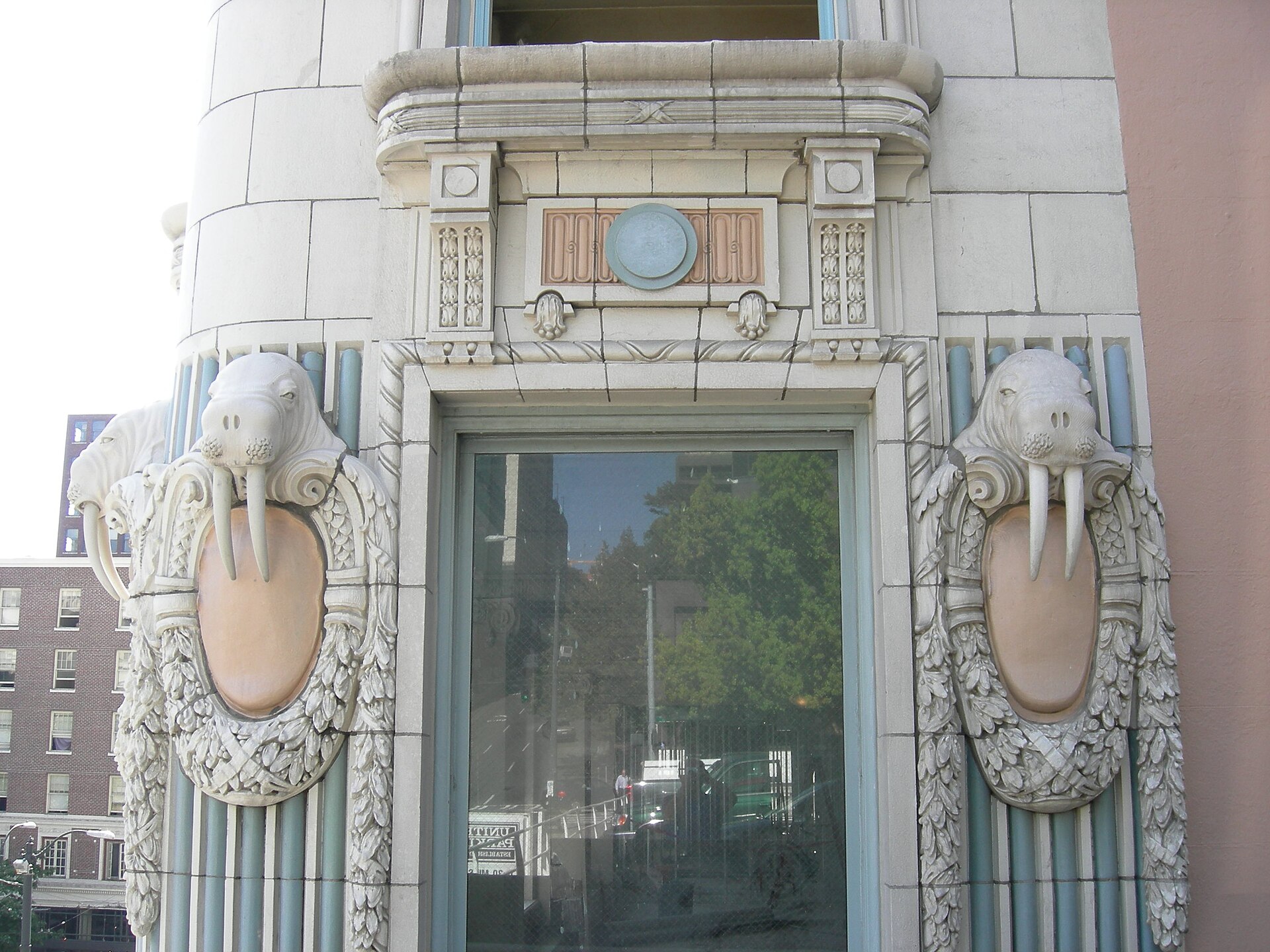
The Arctic Club was formed in 1908 by Klondike Gold Rush veterans — a social club for men who had struck it rich in Alaska and the Yukon. Its 1916–17 headquarters at 3rd and Cherry, designed by A. Warren Gould, is a Beaux-Arts terra-cotta landmark ringed by 27 terra-cotta walrus heads (the original tusks were terra cotta, not ivory). The club dissolved in 1971; the building later served as city offices and was converted to a hotel in 2008. One name correction for your searches: it is no longer a DoubleTree — the Oxford Collection bought it during the pandemic and reopened it as an independent boutique hotel in fall 2022.
The haunting here has something most hotel ghosts lack: a hard-documented death. U.S. Representative Marion Zioncheck leapt to his death from his fifth-floor Arctic Building office on August 7, 1936, landing in front of a car occupied by his wife of three months; a suicide note was found. The death is documented by HistoryLink and contemporary newspapers. Reported phenomena cluster on the fifth floor: an elevator making unscheduled stops there, cold spots, phantom footsteps — and passersby claiming to see his falling body on Cherry Street. The third and fifth floors carry “party floor” lore: phantom whispers and cigar smoke in a non-smoking hotel.
A note on the record: some blogs speculate Zioncheck “was pushed,” but the documented evidence — the note, the well-recorded mental-health crisis — supports suicide, and the Atlas won’t launder speculation into mystery. Separately, one hotel blog attributes a club suicide to a “Judge Arthur H. Hutchinson”; no corroboration exists. The documented congressman is the story.
Book it: Upscale-mid boutique, roughly 120 rooms. There’s no single lore room — the haunting belongs to the fifth floor, Zioncheck’s office floor. Ask for a fifth-floor room and see whether the elevator stops for you.
4. Palace Hotel — Port Townsend
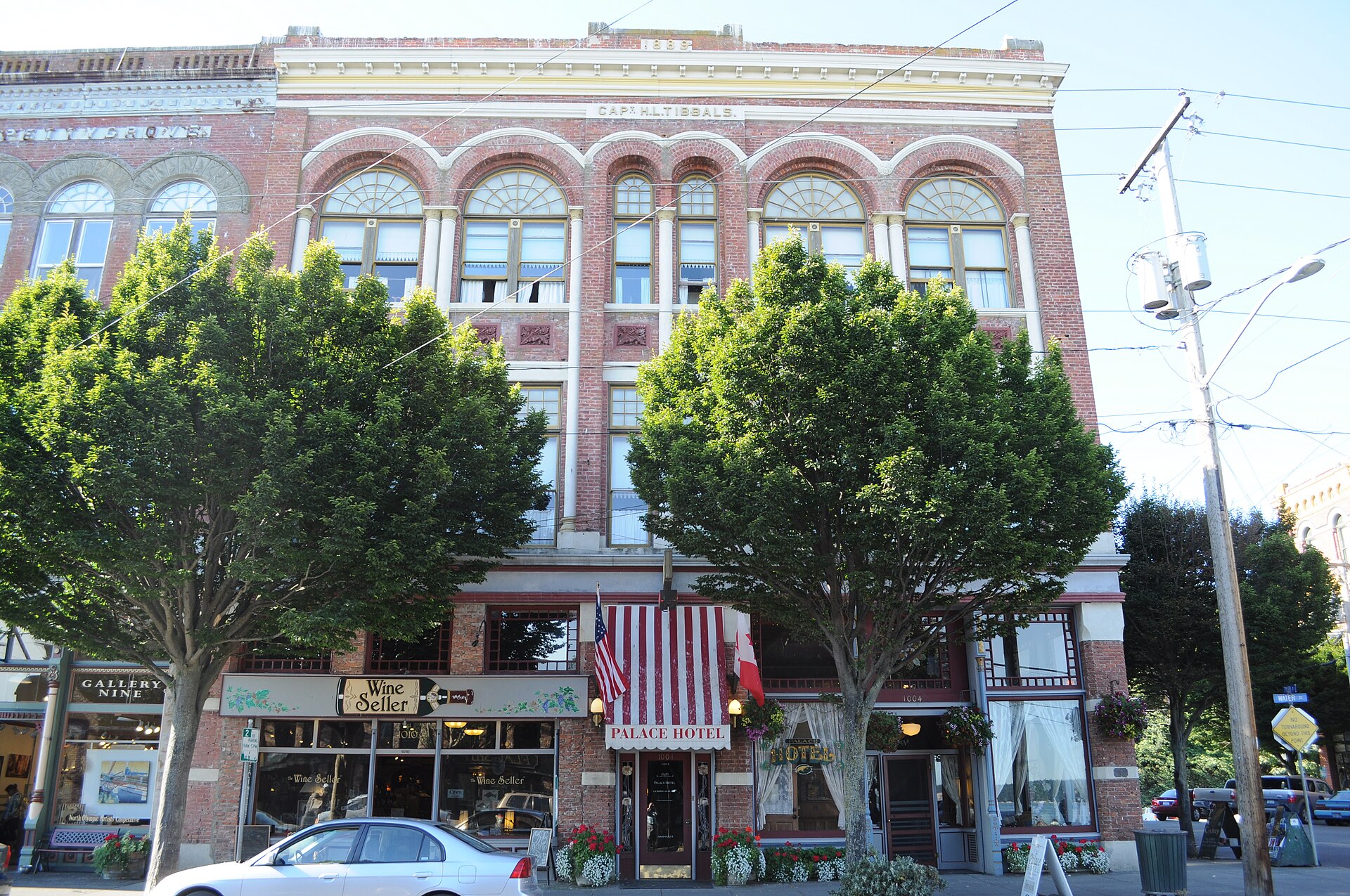
Built in 1889 for $28,000 by retired sea captain Henry L. Tibbals — Richardsonian Romanesque brick, with a billiard parlor, saloons, and a theater on the ground floor and furnished rooms above. From 1925 to 1933 the upper floors operated as “The Palace Hotel” — a brothel nicknamed “the Palace of Sweets.” Restored between 1976 and 1988, today’s rooms are named for women of the brothel era. Nineteen Victorian rooms plus the Miss Kitty suite, pet-friendly, and — fair warning — no elevator.
This hotel has the best-investigated haunting of any property on this list. In February 2010, the Peninsula Daily News ran reporter Jennifer Jackson’s account of a full overnight investigation by PIHA (Paranormal Investigations of Historic America), led by Kathy Gavin with founder Vaughn Hubbard, museum manager Debbie Knapp, and psychic Robin Alexis — with hotel manager Gary Schweitzer participating. Head housekeeper Cheryl Heller, on the record: staff and guests routinely have unexplained experiences; her granddaughter has seen child spirits and a shadow on the third-floor wall. “I enjoy it. I consider them my friends.” The figures: the Lady in Blue (“Katherine”), whose portrait hangs above the second-floor landing, said to wander the halls; Adam, a boy of six to eight at the top of the stairs; and Captain Tibbals himself. PIHA set a webcam in Room 3, described as one of the two most haunted rooms.
The honest check: the paper itself adds that psychic Alexis’s claim — unbaptized babies of brothel workers buried under the earth-floor basement — comes with the flat correction that no bodies have been reported found in the building. And the identities don’t reconcile across sources: one guide names the Room 3 ghost “Miss Claire,” a former madam; another calls Miss Claire a maid; the Daily News calls the portrait ghost Katherine. Three versions, one hallway.
Book it: Mid-tier, roughly $120–$170 a night. Request Room 3 — the most investigated room in Washington hotel lore.
5. The Historic Davenport Hotel — Spokane
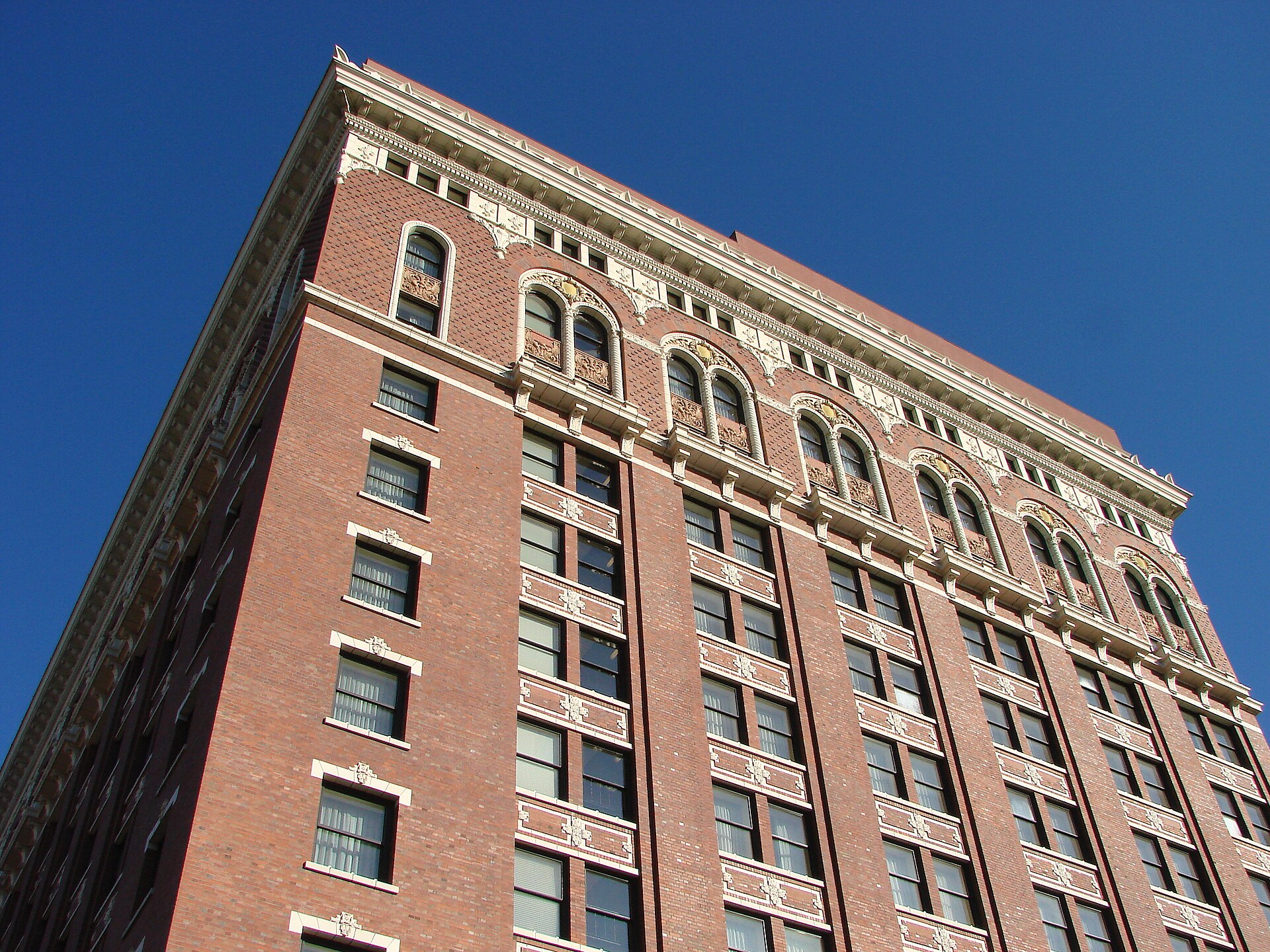
Built in 1914 for $2 million to designs by Kirtland Cutter and billed as the most modern hotel in America — the first hotel in the country with air conditioning, plus a central vacuum system and a pipe organ. It was commissioned by Spokane businessmen and named for Louis Davenport, the restaurateur who arrived after the Great Fire of 1889 and became its first proprietor. It closed in 1985, escaped demolition when Walt and Karen Worthy restored it for $38 million, and reopened in 2002 as a Marriott Autograph Collection property.
The haunting claims — and note carefully, they attach to the 1914 Historic Davenport, not the modern Davenport Tower, Grand, or Louie. Ellen McNamara, a New York guest who fell through the lobby skylight in August 1920 and died, is seen as a woman in white on the mezzanine; guests report hearing her ask “Where do I turn?” — her reported last words. Louis Davenport himself is reported by staff in robe and slippers in the hallways and near his former suite; the real Davenport habitually made 3 a.m. rounds. And Room 1105, the “troubled suite”: flickering lights, moved items, cold spots, a translucent figure at the foot of the bed. Named sources: ghost-tour operator Chet Caskey, quoted in the Gonzaga Bulletin (October 2014); the Ouija Broads podcast. The hotel itself, per the Bulletin, “declined to comment.”
The honest check: the 1920 fall and the name Ellen McNamara are consistent across sources, but the decorative details — the Tiffany glass ceiling, the cloche and pearls, the “Where do I turn?” last words — come from tour operators and podcasts, not from any documented 1920 record. Print the fall as reported history; the rest is tour lore.
Book it: Luxury tier — from around $139 off-season to $500+ on festival weekends, with holiday packages from $169. Request Room 1105 if you dare; the Circus Room, Louis Davenport’s private room turned suite, is the gentler legend-adjacent option.
6. Lake Quinault Lodge — Quinault, Olympic Peninsula
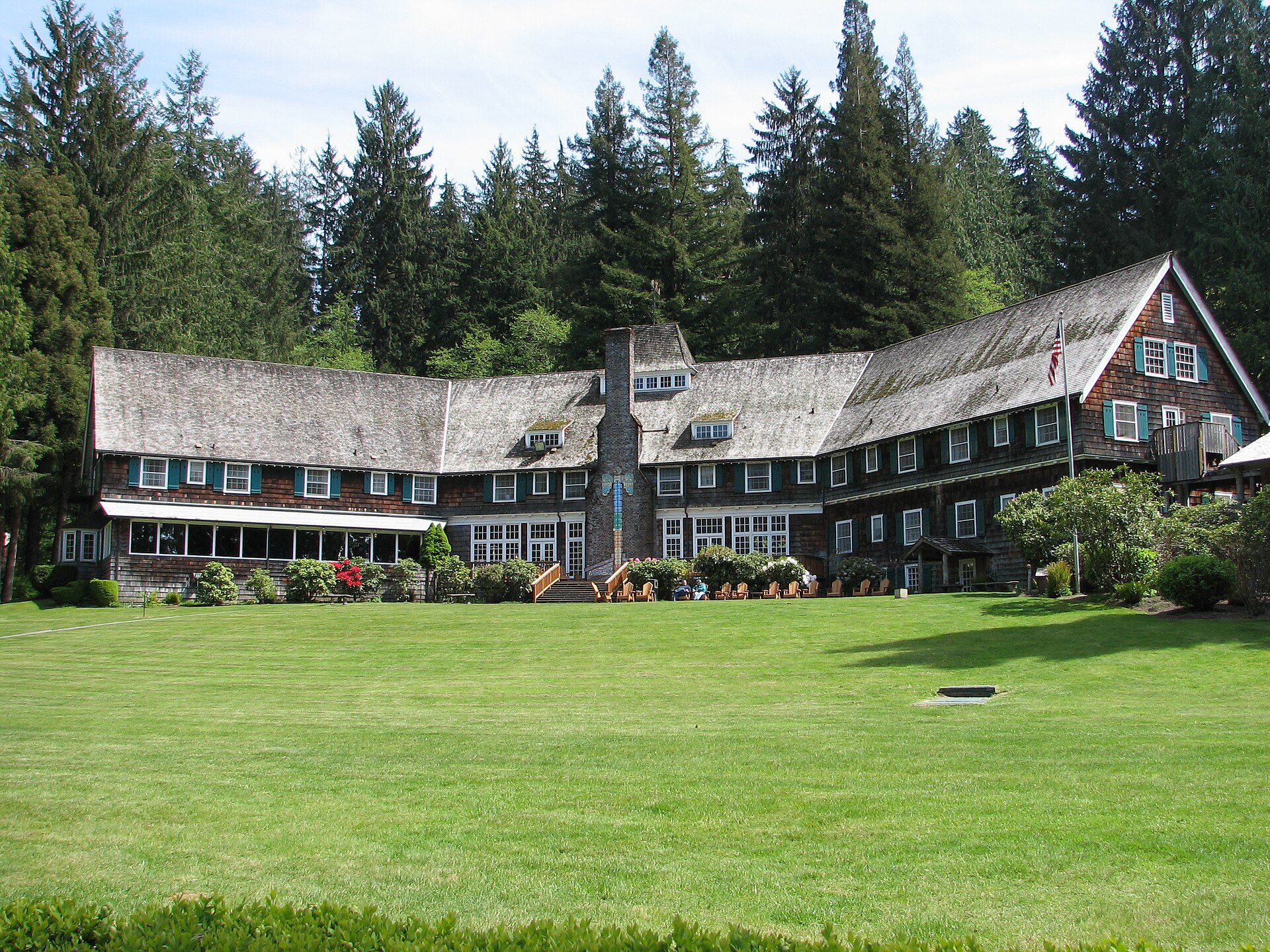
The original 1903 lodge burned to the ground on August 24, 1924. Lumberman Ralph Emerson financed the replacement, designed by Seattle architect Robert Reamer of Old Faithful Inn fame in rustic Colonial-Revival style and built in just 53 days — June 9 to August 18, 1926 — with night crews working by bonfire light. FDR lunched here in October 1937, a visit credited with fueling his push to create Olympic National Park. It’s on the National Register and operates year-round under a Forest Service permit.
The ghost is Beverly, a former housekeeper said to have burned to death in a fire. She opens windows, flickers lights, moves guests’ belongings, and occasionally throws glasses and silverware. Staff named the entire third floor of the Boathouse building the Beverly Suite for her. Room 216 has multiple independent guest reports: candy-coated nuts found in a guest’s shoes and open suitcase; a guest woken by tugging at their feet. Staff corroboration runs deep — a 1978 dishwasher heard unexplained footsteps on the attic linen-stairs; a 2023 night auditor watched a fork slide off a prep table; a 2017 guest was told by the front desk, “there’s no one above us… just the attic and their friendly ghost Beverly.” Named sources include Weird Washington and first-person staff and guest accounts.
The honest check: the documented 1924 fire destroyed the original lodge, and no record ties a casualty named Beverly to it — and the current building dates to 1926. The lore predates the building it supposedly haunts: a classic case of a haunting migrating with the legend. Some guests even report her as “Betty” — the name itself drifts.
Book it: Mid-to-luxury rustic, roughly $145–$450 a night by season, across the Main Lodge, Fireplace, Lakeside, and 1923 Boathouse rooms. The lore stay is the Beverly Suite — the entire Boathouse top floor, two bedrooms plus living area.
7. Tokeland Hotel — Tokeland, Willapa Bay
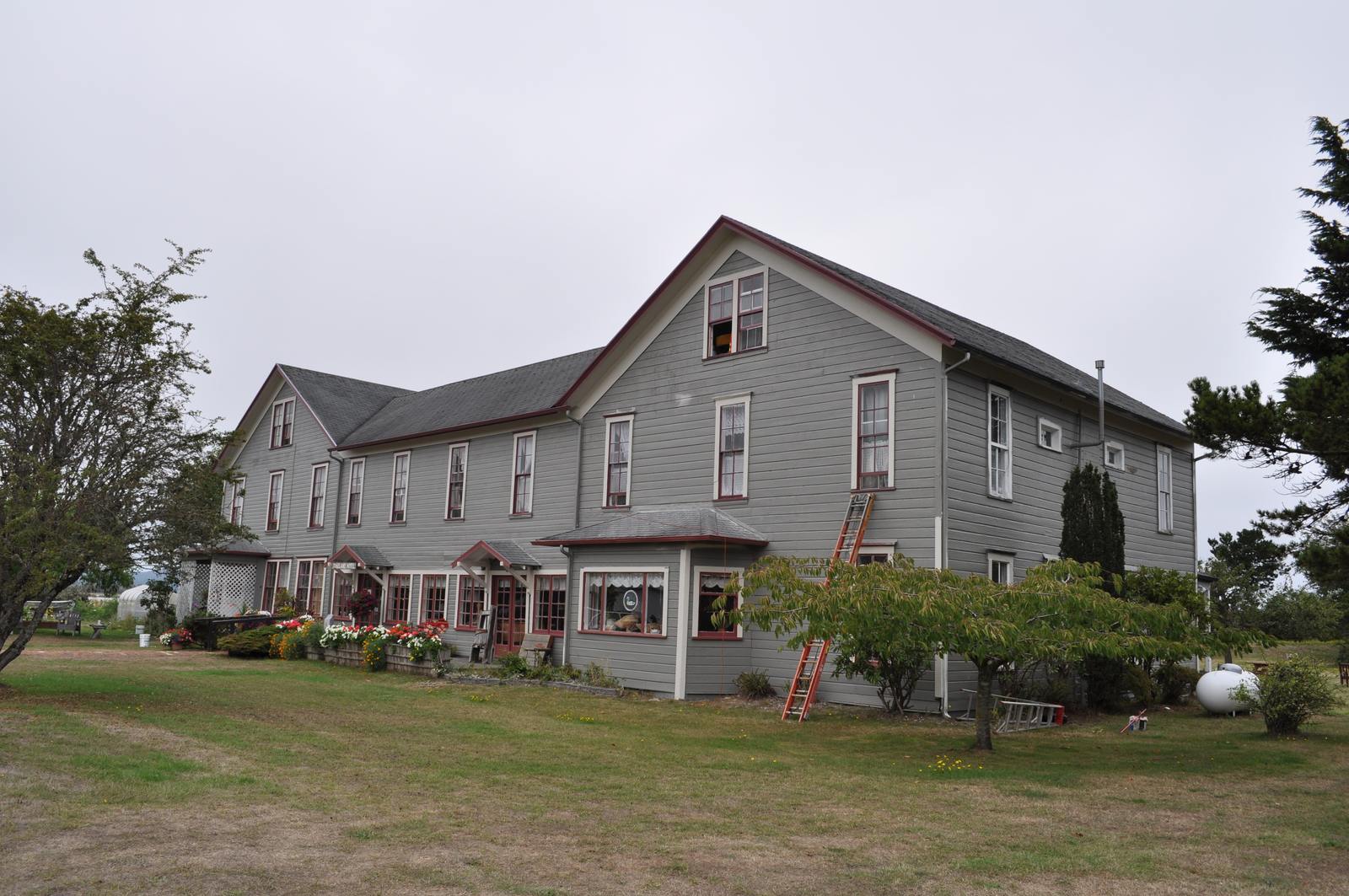
Built in 1885 as the farmhouse of William and Elizabeth “Lizzie” Brown Kindred on Toke Point — the oldest hotel building in Washington. An 1899 addition made it the Kindred Inn, soon renamed for Shoalwater Bay Chief Toke; the Kindreds ran the general store and post office from it. A 1910 wing produced today’s C-shaped plan. It’s on the National Register, and since 2018 it’s been owned by Seattle restaurateurs Heather Earnhardt and Zac Young, who run The Wandering Goose restaurant on site.
This is the rare hotel that markets its own haunting: the website lists Rooms 4 and 7 as “Haunted Rooms.” The principal ghost is Charley, a Chinese immigrant said to have been smuggled ashore and hidden by the Kindreds in a secret space behind the parlor fireplace — where he died when the fire was lit. He’s said to roam the halls and spin or drop dinner plates in the restaurant. Former owner Katherine White, a self-described skeptic, reported a cumulus-cloud-like white apparition she took for Charley — and being locked in an upstairs storage room by a latch thrown from outside. KING TV’s Evening Magazine brought a clairvoyant for a “Spooky Sleepover” in 2000. There’s also a ghost cat felt padding across beds, and 10-year-old Albert Brown, drowned in 1866, rumored in the halls. As recently as January 2026, a TripAdvisor guest in Room 7 reported her bloodhound growling at an empty wall while her phone “fell” off the nightstand three times.
The honest check: no historical document supports Charley’s existence; the death date flips between the early 1900s and the 1930s depending on the telling; and the “murder in Room 7” detail appears only in ghost-tour company copy with no source behind it. Present Charley as oral tradition, plainly — especially given the story’s Chinese Exclusion-era framing, which deserves care rather than campfire treatment.
Book it: Eighteen upstairs rooms with communal hallway bathrooms, roughly $155–$229 a night plus a resort fee. Rooms 4 and 7 are the haunted rooms — both pet-friendly, which the bloodhound can confirm.
8. Hotel de Haro — Roche Harbor, San Juan Island
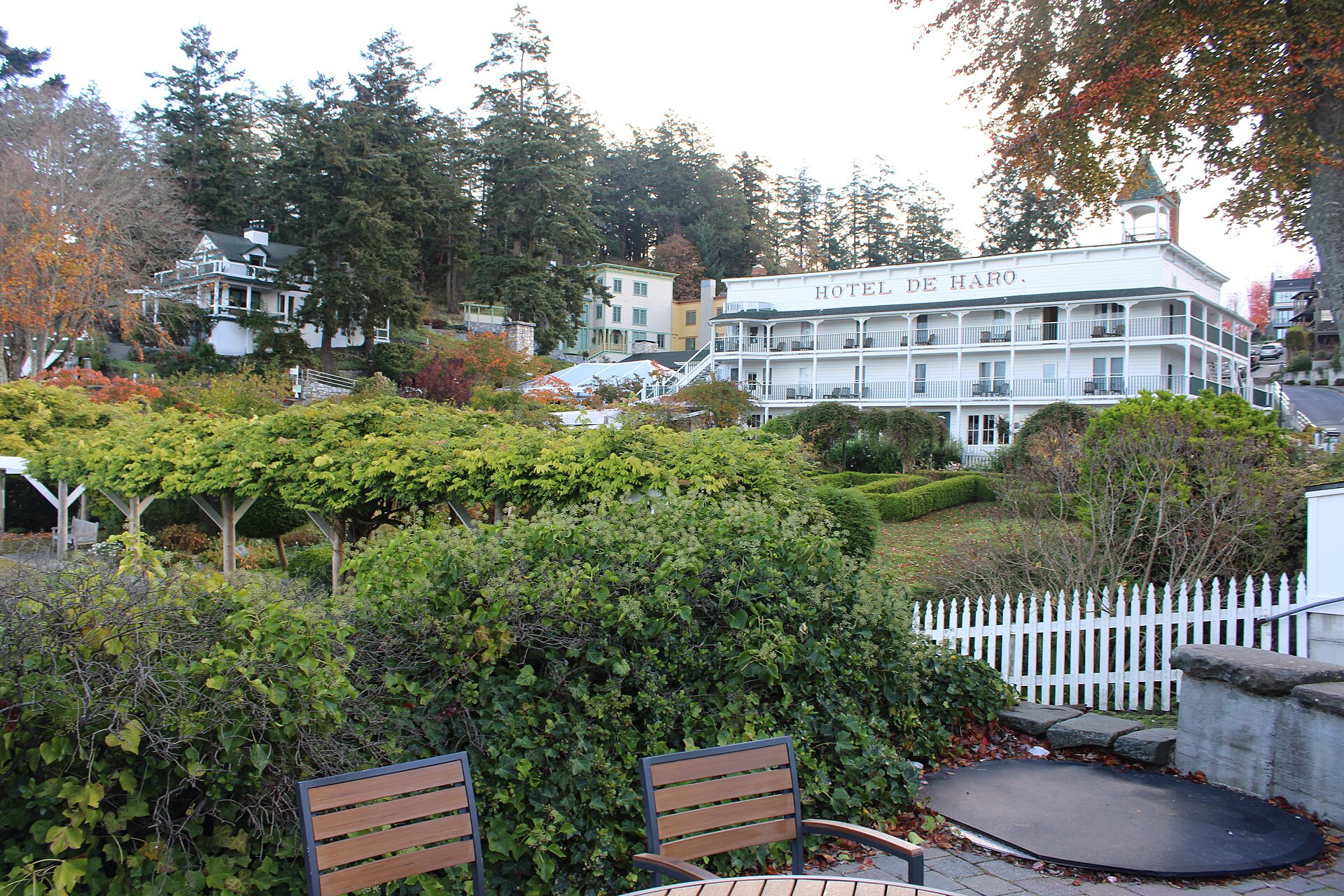
Built in 1886 by Tacoma lawyer John S. McMillin of the Tacoma and Roche Harbor Lime Company — twenty rooms erected atop an old Hudson’s Bay Company bunkhouse to host lime buyers and friends; the McMillin family lived in it until 1910. It hosted President Theodore Roosevelt. In 1956 the 4,000-acre Roche Harbor property passed to Seattle businessman Reuben J. Tarte, whose family developed it into today’s Roche Harbor Resort. It’s on the National Register.
The ghost is named by the San Juan Islands Visitors Bureau itself: Adah Beeny, governess and secretary to the McMillin family. Employees have reported a storeroom door opening on its own, appliances switching on and off, items shifting, and rustling clothing with no one there; one woman’s hands went numb at the lobby door — she said the hotel was “so haunted” she couldn’t go in. The Ouija Broads podcast adds the detail that makes this legend: Adah’s ashes spent years in a mason jar in the manager’s office — the hotel had absorbed her cottage — despite a place set for her at the family mausoleum, Afterglow Vista. Once the ashes were finally moved, her spirit turned active: lights toggling, blenders switching on, candles re-lighting — and, per a cashier, every glass shelf in the gift shop shattering in sequence.
The honest check: the attribution isn’t clean. A local guide instead credits John McMillin himself, seen near Room 2, his favorite room; the ghost’s name is spelled Adah/Ada and Beeny/Bean across sources; and one content farm upgrades her to McMillin’s “mistress.” Adah Beeny is the primary attribution; the rest is the fog legends accumulate.
Book it: Hotel de Haro rooms are the resort’s most affordable tier — small, authentically 19th-century rooms, a few ensuite, most sharing hallway bathrooms, no TVs. It’s the budget door into an otherwise $214–$324-a-night resort on one of the prettiest harbors in the San Juans. No single room is consistently tied to the Beeny lore — the whole building is the legend room.
Frequently Asked Questions
Can you actually stay overnight in these hotels?
Yes — all eight are operating hotels verified bookable in 2026, from the Tokeland’s ~$155 rooms to the Davenport’s luxury suites. Several let you request the haunted room by number: Manresa’s 302/304/306, the Palace Hotel’s Room 3, the Sorrento’s Room 408, the Davenport’s Room 1105, Tokeland’s Rooms 4 and 7, and Lake Quinault’s Beverly Suite.
Which haunted hotel in Washington is the most famous?
Manresa Castle, thanks to Ghost Adventures — with the honest twist that its own general manager told the Seattle Times in 2004 that the ghosts were invented by a bartender and set in the two priciest rooms. For a documented death behind the lore, the Arctic Club’s Congressman Zioncheck story is the strongest on this list.
Are the hauntings proven?
No. The histories are documented; the ghosts are reported folklore and named-source guest and staff accounts. And where the record contradicts a famous story — Manresa’s invented ghosts, the Sorrento’s Alice B. Toklas who never set foot in the building, Lake Quinault’s Beverly with no casualty in the documented fire — this article says so. That’s the Atlas way.
What’s the best time of year to book a haunted hotel stay in Washington?
October for atmosphere — legend rooms book out early for Halloween weekends, so reserve months ahead. The November–March shoulder season brings lower rates at the resort properties like Lake Quinault and Roche Harbor; the Davenport runs holiday packages from $169.
What about Thornewood Castle?
Deliberately not on this list — Washington’s most famous castle stay already has its own full Atlas investigation here. It’s a reservation-only private estate stay rather than a conventional hotel, and it deserved the deep dive.
Keep exploring
8 Haunted Hotels in Oregon You Can Actually Book (Historic Guide)
Oregon's ghost stories are easy to visit and hard to sleep in — in the best way. This list is different from a roundup of haunted…
Read story →
8 Haunted Ghost Towns of the Pacific Northwest
The Pacific Northwest is studded with towns that boomed on gold, coal, and wool — and died when the ore ran out, the railroad moved on,…
Read story →
10 Haunted Ghost Tours in Washington State (2026 Dates, Tickets & Guide)
Some haunted places you visit. Others, you let a guide walk you through after dark. Washington has both — and this is the after-dark list. Every…
Read story →