8 Haunted Places in Transylvania (Historic Guide)
Transylvania is the most famous haunted address on earth — and the place where the Atlas rule matters most. The Dracula story everyone arrives with is,…
Reader’s note: supernatural accounts are presented as folklore and reported experiences, not established fact.
Transylvania is the most famous haunted address on earth — and the place where the Atlas rule matters most. The Dracula story everyone arrives with is, in its most famous detail, wrong: the castle sold to the world as Dracula’s was never his, the novel’s castle is somewhere else entirely, and the real fortress of Vlad the Impaler is a ruined cliff-top climb most visitors never attempt. The history underneath the marketing is better than the marketing. What follows is eight places you can actually visit, with the documented history first, the folklore clearly marked as reported, and the honest check wherever the legend outruns the record.
A note on prices before you plan: figures below are what research found in November 2026, from official sites, municipal pages and recent guides — and several conflict across sources, so treat every figure as a starting point and check the current rate before booking. Romanian lei prices move with the season. Nothing here is an affiliate link — where a tour or booking is worth knowing about, we name it so you can find it yourself.
1. Bran Castle — Bran, near Brașov
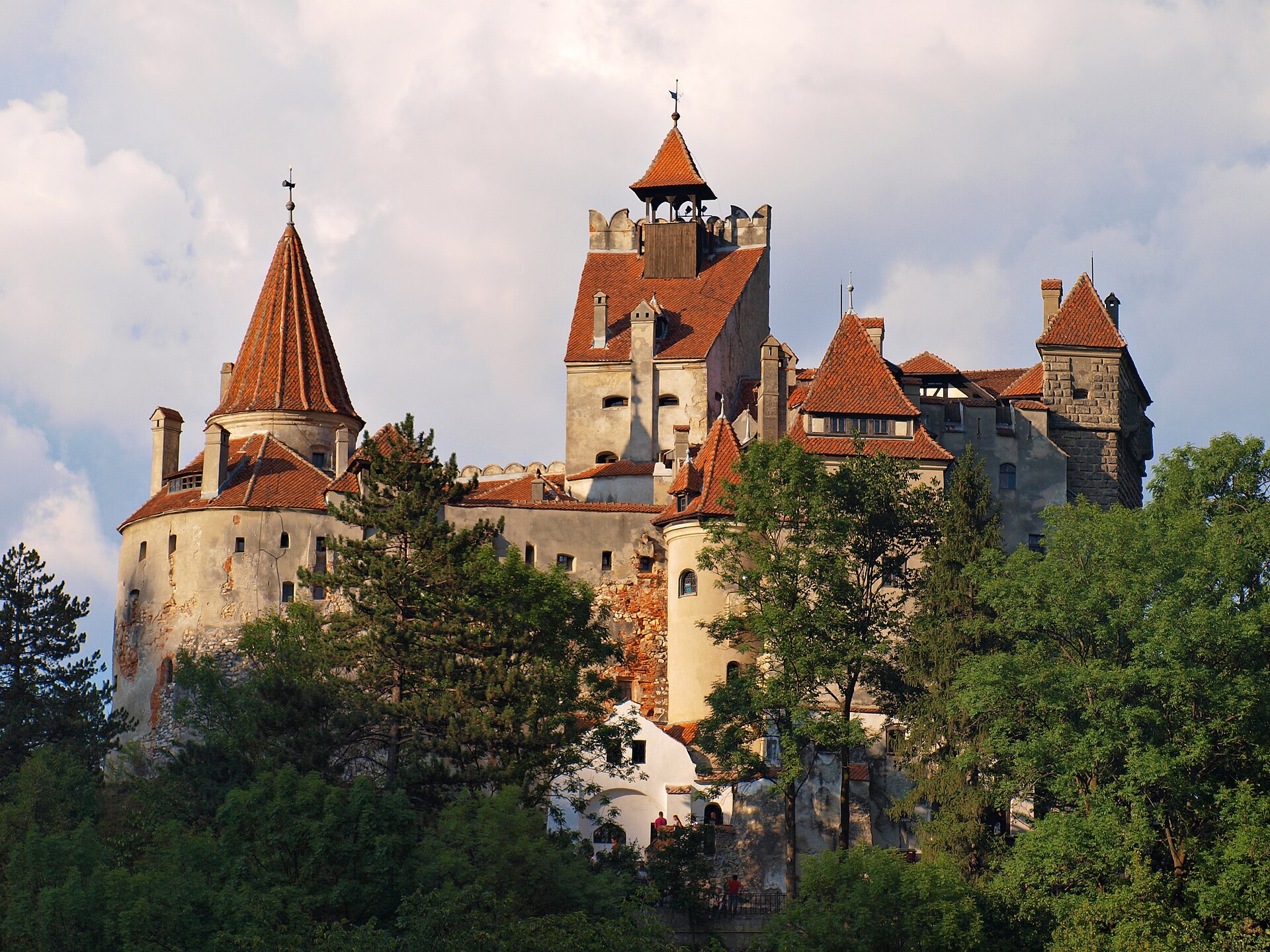
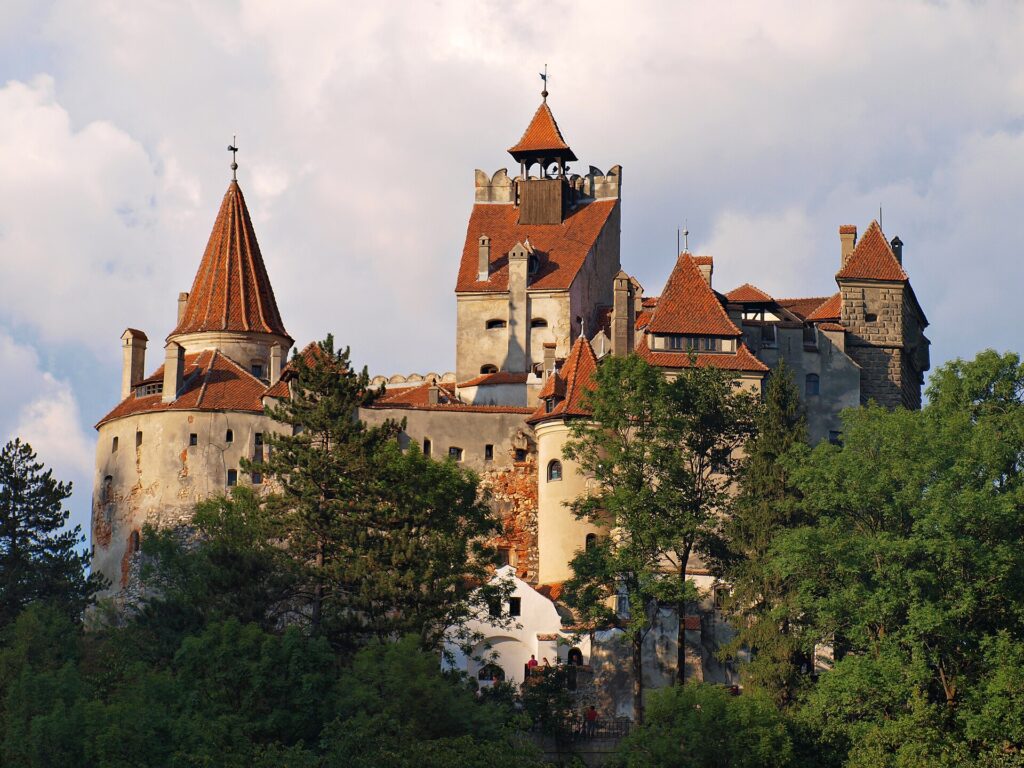
The visit: Romania’s most-visited castle, about 30 km southwest of Brașov, on a 60 m rock above the Bran Gorge. Open daily (Mondays from noon); winter hours to 18:00, summer to 19:00. Standard Tour adult 100 lei (about €20), students 60 lei, seniors 65+ 70 lei, children 5–17 40 lei, under-5 free. The Royal Tour (170 lei) adds the Time Tunnel and Torture Rooms with a priority lane; the Guided Royal Tour is 210 lei. Book online in advance in summer — it sells out. Day trips from Brașov and Bucharest run from around $25 for a basic coach trip, and skip-the-line entry is listed at about €26.
The history: Chartered in 1377 by Louis I of Hungary and built by the Saxons of Brașov as a customs post and fortress on the border pass between Transylvania and Wallachia, Bran served military and customs roles into the 18th century. Its genuine draw is what came later: from 1920 to 1947 it was the beloved residence of Queen Marie of Romania, and her furnished apartments are still the heart of the visit.
The lore (reported): Bran is marketed worldwide as “Dracula’s Castle,” complete with a basement Dracula exhibition. Werner Herzog filmed Nosferatu the Vampyre here in 1979, which cemented the association in the popular imagination.
Honest check — lead with this: Vlad III never lived at Bran, never owned it, and was almost certainly never imprisoned there. The two-month imprisonment story from 1462 traces to a 2002 book, not a contemporary record, and the castle’s own guides and National Geographic agree there is no connection to him. Bram Stoker never visited Romania; his novel’s castle sits in the Borgo Pass, more than 200 km from Bran, and Bran is not named in the book at all. The Dracula association dates to the second half of the 20th century, when communist-era Romania promoted Bran as a Dracula-tourism magnet for foreign currency. The full extent of the documented link: Vlad’s armies used the Bran pass, and he fought Brașov’s Saxons in 1456–1460. Come for the medieval customs fort and Queen Marie’s home; treat the Dracula theme as the gift shop’s story.
2. Poenari Castle — Arefu, Argeș County
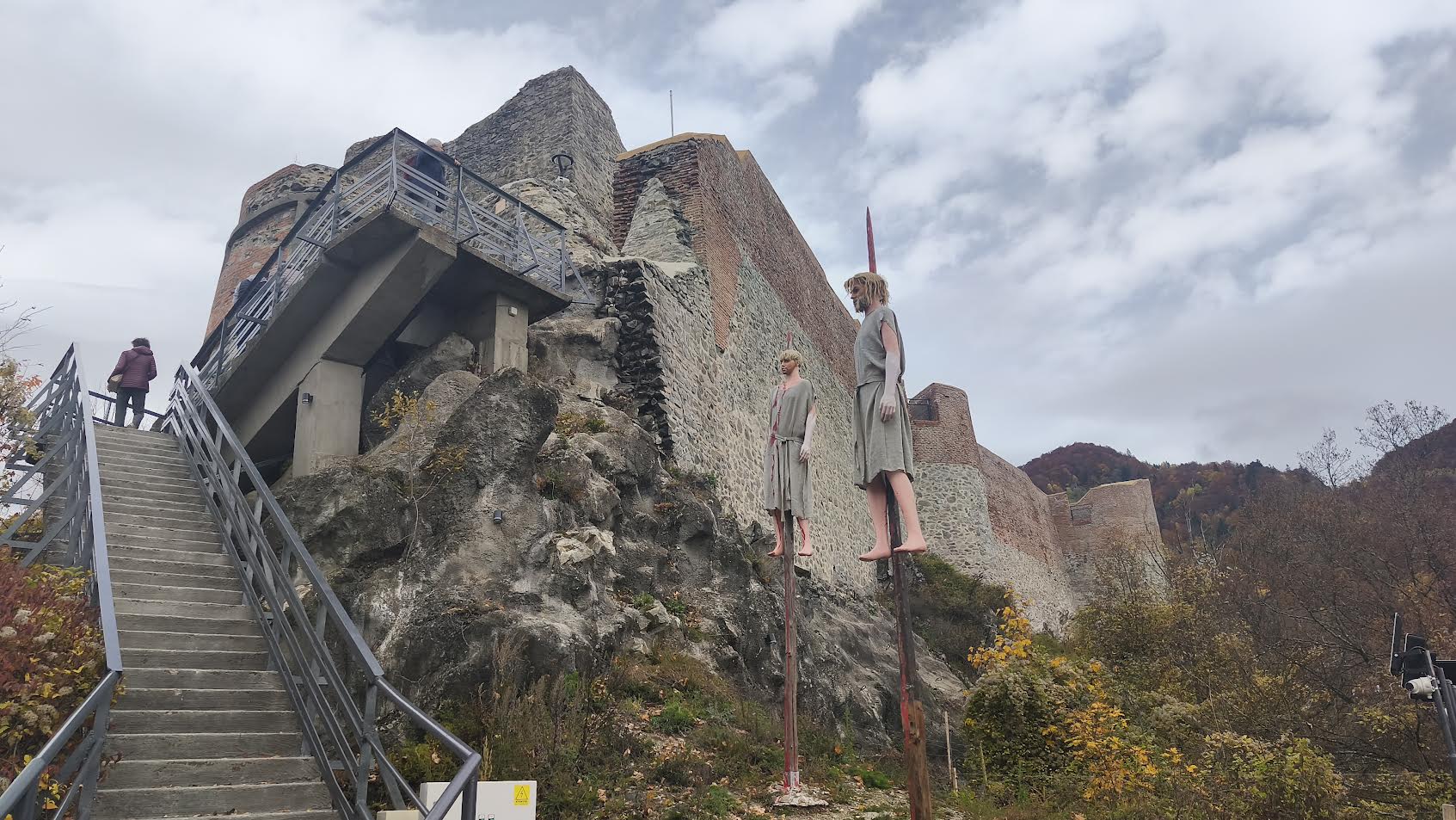
The visit: A ruined cliff-top fortress above the Argeș River gorge, off the Transfăgărășan road, reached by a steep concrete staircase from the road below — around 1,480 steps, a 30–45 minute climb, with no road to the top. Entry is listed at about 10 lei, though that figure comes from a thin source and should be checked. Transfăgărășan day tours from Bucharest that include Poenari start from around 596 lei.
Access warning — read this before you go: Poenari was closed from late 2021 to 2024 for a major restoration (20.1 million lei, the staircase entirely rebuilt). It reopened on 14 April 2025 — and shut again 14 days later, on 28 April, when a she-bear with cubs tore down the electric fence in the visitor area. It has reopened since, but bear-related closures are intermittent, and the site has at times run police-accompanied group ascents. Check the Argeș County Museum’s current notice before travelling, and do not present Poenari as reliably open. The Transfăgărășan road itself is seasonal, its upper sections typically open June to October.
The history: An earlier Basarab-dynasty fortification stood on the crag from the 13th–14th century. Vlad III rebuilt and massively expanded it in the 1450s, making it one of his principal fortresses. In 1462 Sultan Mehmed II besieged it during his invasion of Wallachia; Vlad escaped through the mountains to Transylvania. It stayed in use for decades after his death in 1476 and was abandoned in the first half of the 16th century. About half the original perimeter was lost in an 1888 rockslide, with further quake damage in 1913, 1940 and 1977.
The lore (reported): Romanian chronicles say Vlad forced the boyar families who murdered his father Vlad II Dracul — and buried his brother Mircea alive — to rebuild the fortress. And the story of Vlad’s wife throwing herself from the battlements rather than face capture in 1462 is widely told on site.
Honest check: The forced-labour story is tradition, not a document. The wife’s suicide appears first in Florescu & McNally’s Dracula: A Biography of Vlad the Impaler (1973), not in any contemporary source. Even the step count is unsettled — the official figure is 1,480, but Romanian press reporting on the restoration said 1,400 newly built steps — so “around 1,480” is the honest figure. This is the real Dracula castle, and it is also the one that asks the most of you: a long climb, a bear fence, and a road that closes for winter.
3. Sighișoara Citadel & the Clock Tower — Sighișoara, Mureș County
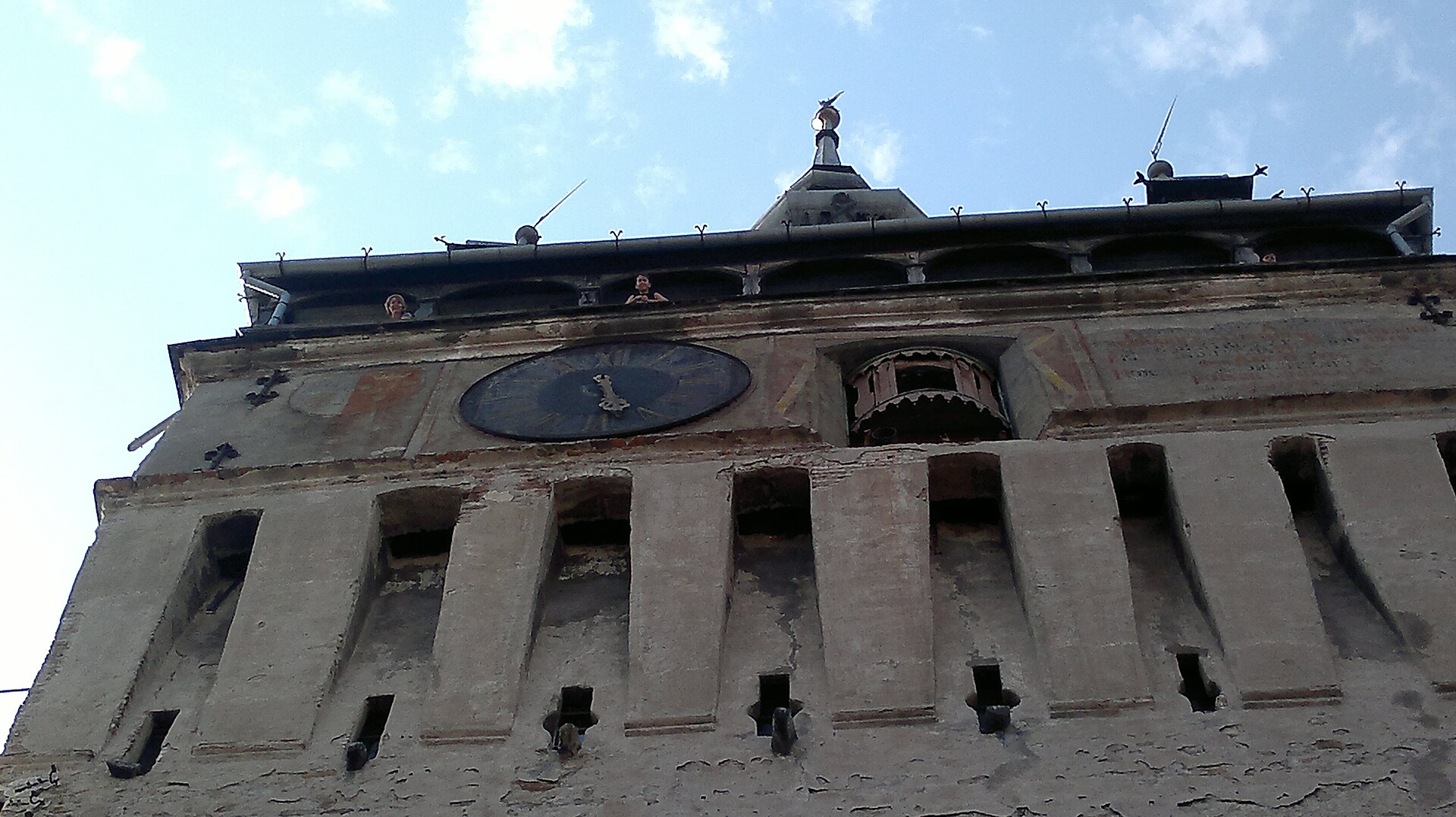
The visit: One of the best-preserved inhabited medieval citadels in Europe, continuously occupied since the 12th century — around 800 people still live inside the walls. UNESCO World Heritage since 1999. About 120 km from Brașov, 90 km from Sibiu. The Clock Tower houses the History Museum: 50 lei adult, 15 lei students per the municipality’s 2026 prices (70 lei combined with the Medieval Weapons Collection and Torture Chamber) — a sharp jump from the 12–15 lei older guides still quote, so verify before you go. Stay inside the walls: the Casa cu Cerb historic hotel on Citadel Square runs about €70–120 a night for a double, and small guesthouses in old houses run about €55–90. The yellow Casa Vlad Dracul house is now a medieval-style restaurant — book a table, not a stay.
The history: Founded by Transylvanian Saxons in the 12th century, Sighișoara built 14 craft-guild defensive towers between the 13th and 16th centuries; nine survive. The 64 m Clock Tower is the 14th-century main gatehouse and town-council seat, its 17th-century mechanical clock (installed 1648; the present automata are replicas) still marking the hours. Vlad II Dracul spent part of his political exile here around 1431–1435, minting coins and issuing documents. The Church on the Hill (14th–15th century, medieval frescoes) is reached by the Covered Staircase of 1642.
The lore (reported): Vlad III was born here in 1431, in the yellow house on the citadel square now marked with a plaque and operating as the Casa Vlad Dracul restaurant.
Honest check: No official source confirms Vlad III was born in that specific house, or that his father ever lived in it — the municipality records its earlier name as Casa Paullini, and historians debate whether Vlad was born in Sighișoara at all or merely lived there briefly in infancy during his father’s exile. The birthplace is local tradition, honestly labelled as such. Sighișoara needs no Dracula link to earn its place: it is a living medieval town, and the citadel at dusk, when the day-trippers leave, is the quietest haunted-feeling stop on this list.
4. Hoia Baciu Forest — Cluj-Napoca
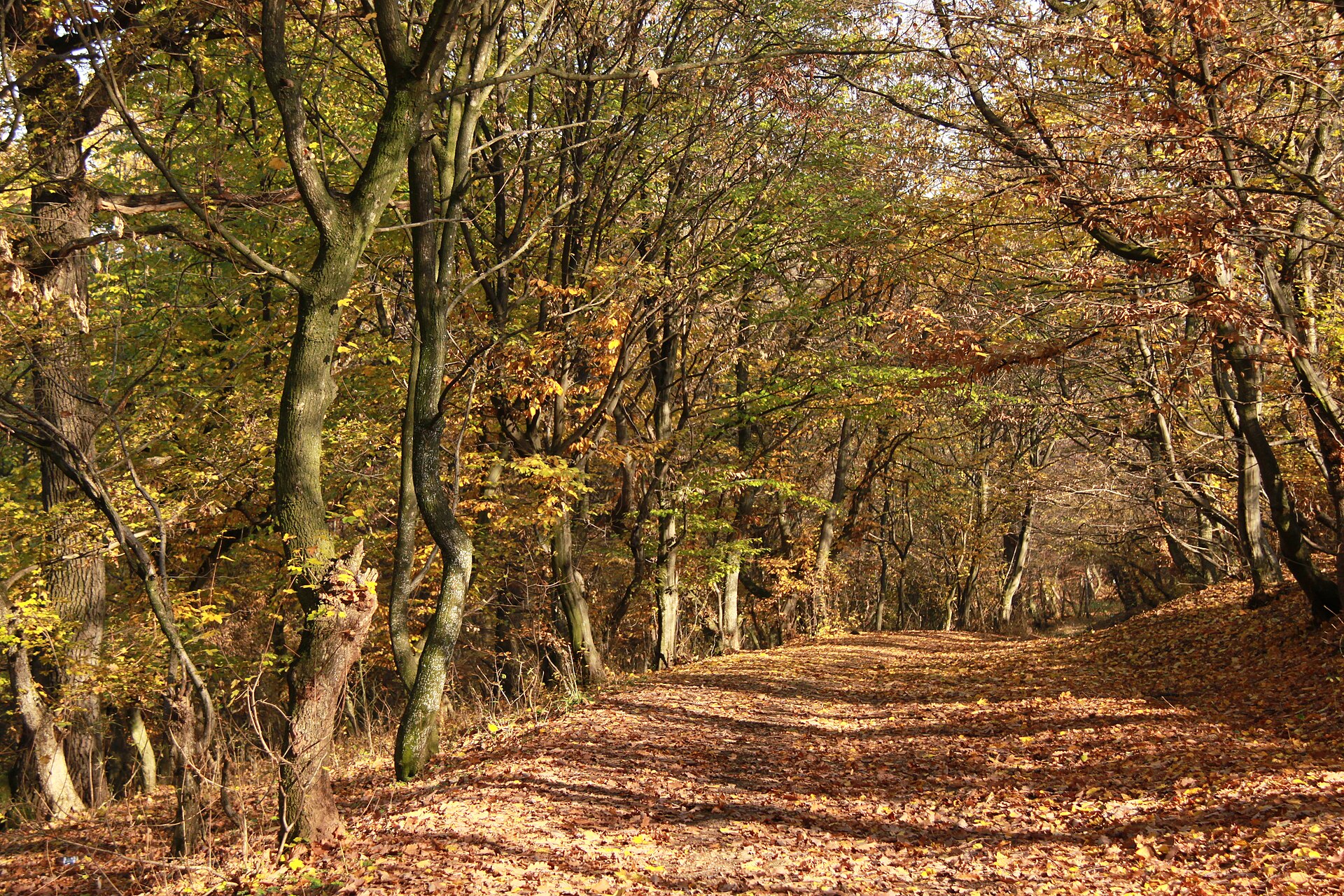
The visit: About 295 hectares of oak, beech and birch on the Transylvanian Plateau, roughly 3 km west of Cluj-Napoca city centre. Officially a recreational and hiking area, and entry is free — the product is the guided night walk. The Hoia-Baciu Project runs private night tours (3–4 hours, about 3.5 km to Poiana Rotundă, the Round Clearing) from around £117 per adult, and a Viator-listed private night tour runs about $152. Daytime walks are free and unguided.
The history: The forest has stood for at least 500 years, and Neolithic settlement remains (Starčevo–Kőrös–Criș horizon, around 6500 BCE) were excavated in the Valea Lungă valley just north of it. The name comes from a shepherd called Baciu. International attention dates to the late 1960s.
The lore (reported): Hoia Baciu is called “Romania’s Bermuda Triangle” — twisted trees, the bare Poiana Rotundă clearing where nothing grows, apparitions, voices, nausea and rashes on visitors, electronic failures, and UFOs. The anchor event: on 18 August 1968, military technician Emil Barnea photographed a disc-shaped object above the forest during a picnic with his girlfriend Zamfira Mattea and two friends; the four frames circulated through European UFO publications. Biologist Alexandru Sift is credited with 1950s sightings and a photographed translucent figure. Romanian strigoi and moroi folk belief — the restless dead — predates Stoker and frames the forest locally.
Honest check: The shepherd-and-200-sheep disappearance has no date, no records and no witnesses — pure oral tradition. The Barnea photographs are real photographs of something unexplained, not proof of anything. The Sift “ghost” image is disputed as a possible double exposure, and the “vanished for five years” girl (Ioana, 1954) is unverified and varies by retelling. Even the clearing’s size is given as about 113 m in some sources and about 290 m in others — no diameter is stated here. No disappearance in the forest has ever been verified in official records. Frame it as it is: a real forest, a real clearing, real photographs — and a reputation built by layering folklore, Cold War-era research, and television.
5. Corvin Castle — Hunedoara
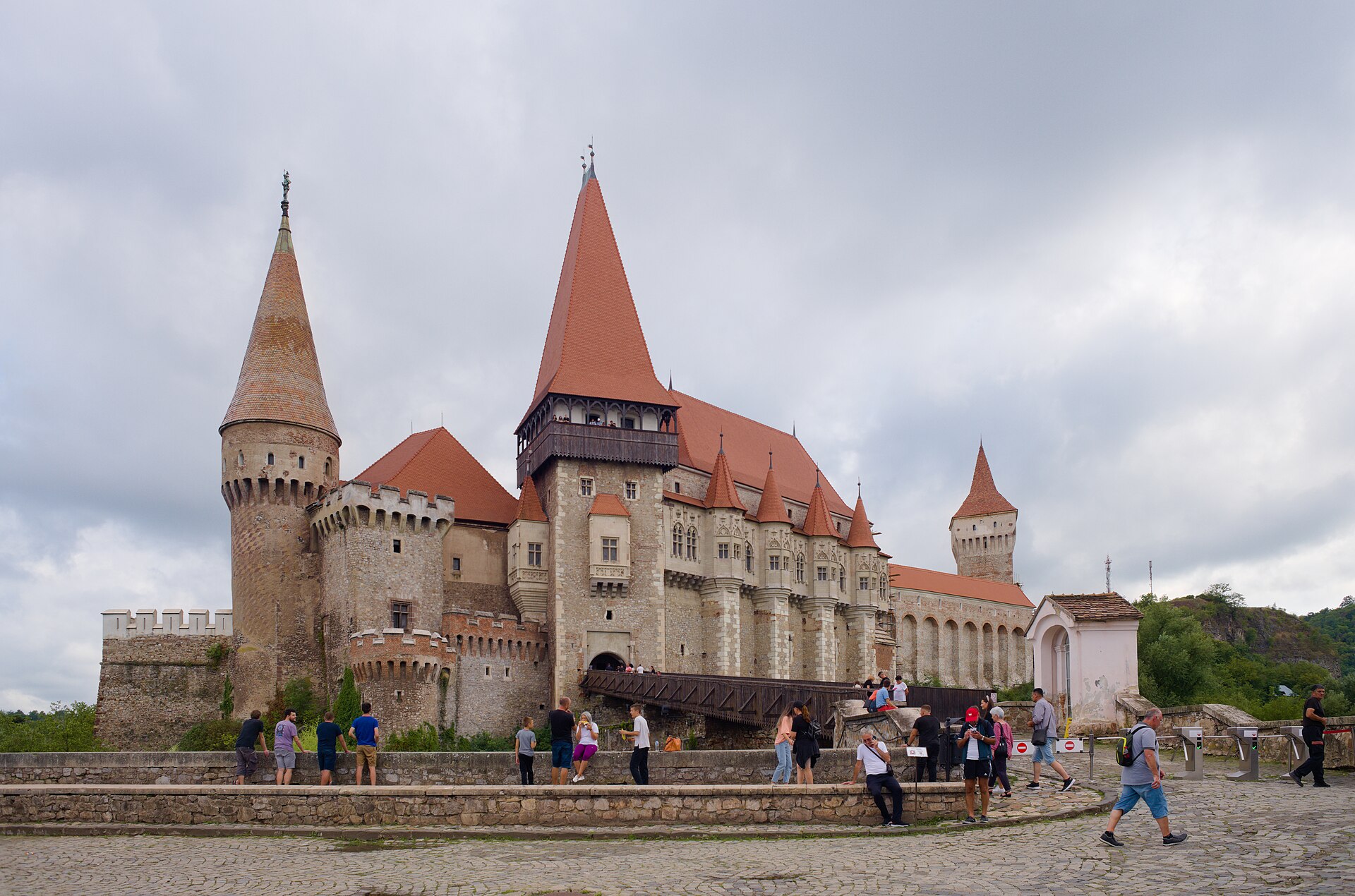
The visit: One of the largest castles in Europe, Gothic-Renaissance, on a rock above the Zlaști river. Open Tuesday to Sunday 9:00–20:00 in summer, Mondays from noon. Entry runs around 50 lei adult in the most recent guides (55 lei, about €11; older pages quote 35–50 lei), 15 lei students, 30 lei pensioners — verify at the gate. It also appears in location lists for Nosferatu (2024).
The history: Built from the 1440s by John Hunyadi, Hungarian regent and the 15th century’s most effective anti-Ottoman commander, over an earlier 14th-century keep; construction halted at his death in 1456. His son Matthias Corvinus became King of Hungary. A fire in 1854 destroyed most wooden parts, and the castle passed to the Romanian state in 1918. It served as a fortress and later a prison.
The lore (reported): Vlad the Impaler was held prisoner in the dungeons here for seven years by John Hunyadi — or by Matthias after 1462, depending on the telling. And the castle well: three Turkish prisoners dug for 15 years after Hunyadi promised them freedom; his widow Elisabeth then had them executed, and they carved the inscription “You may have water, but you have no soul” into the stone. The raven legend behind the Hunyadi arms is told on site. Ghost reports here are generic — no specific ones are invented in this article.
Honest check: No records prove Vlad was ever imprisoned at Corvin. Contemporary documents record his imprisonment in Hungary after 1462 under King Matthias, but the location is disputed — Corvin or Visegrád, with most historians leaning Visegrád. The well legend is a recurring Transylvanian folk motif — the near-identical story is told at Râșnov (see #6) — so treat it as tradition, not history. The “seven years” figure is guidebook lore, not a document. Corvin does not need the Vlad link either: it is the most imposing castle on this list on its own merits, and the one that feels most like the Gothic imagination of Transylvania.
6. Râșnov Fortress — Râșnov, near Brașov
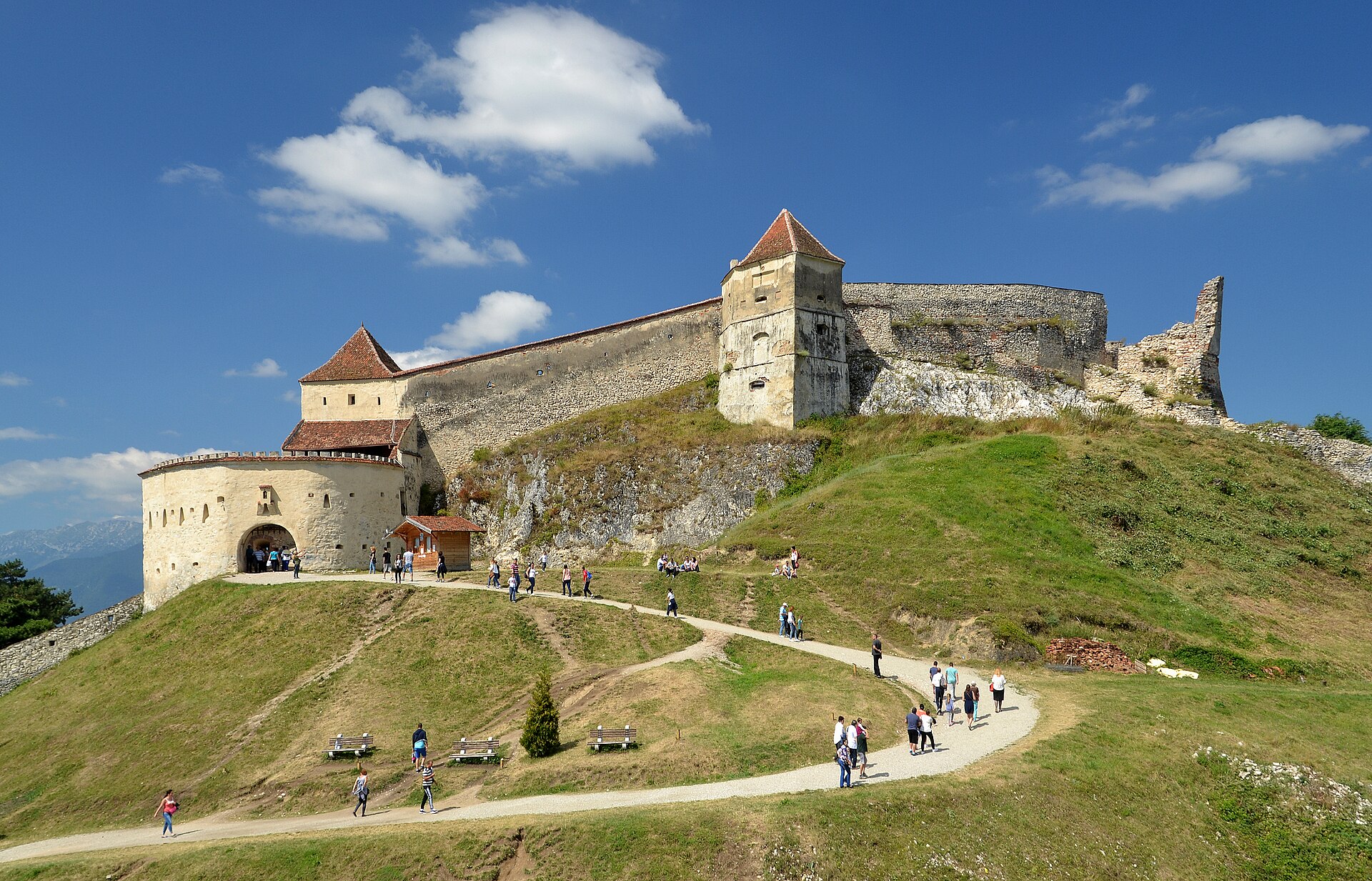
The visit: A 13th-century Saxon peasant citadel on a rocky hill 150 m above the Bârsa Plain, between Brașov and Bran — the natural third stop on a Bran day trip. Day trips from Brașov combining Bran, Râșnov and Prejmer run from around $73–82.
Access warning — read this before you go: The medieval citadel itself is currently closed for restoration, with no reopening date as of November 2026. Only the citadel garden and the Báthory Tower at the entrance are open — 10 lei per person, children under 12 free; summer 09:00–19:00, winter to 17:00. Do not travel expecting to walk the walls.
The history: First fortification in the early 13th century (Teutonic Knights in the Bârsa Land from 1211; the stone fortress built 1215–1335 by the local Saxon community as a collective refuge), first documentary mention 1331. It endured a Tatar siege in 1335, Ottoman attacks in the 15th–16th centuries, and a Wallachian assault in 1612, then fell into disuse after a 1718 plague epidemic and fire. It was a village within a fortress: houses, a church, storage and wells inside the walls.
The lore (reported): The 17-year well — two Turkish prisoners dug through solid rock in exchange for promised freedom, then were killed (or denied freedom) when the water was found. The fortress is often called “never conquered.”
Honest check: The well is real and was dug 1623–1640, but Romanian historians hold it was dug by Saxon craftsmen, not Turkish prisoners — the prisoner version is oral tradition, and it is the same motif as Corvin’s well (see #5). The depth is disputed across sources (60 m, 98 m, 143 m, 146 m), so no figure is given here. And “never conquered” is wrong on the fortress’s own telling: it surrendered once, in 1612, for lack of water — which is precisely why the well was dug.
7. Biertan Fortified Church — Biertan, Sibiu County
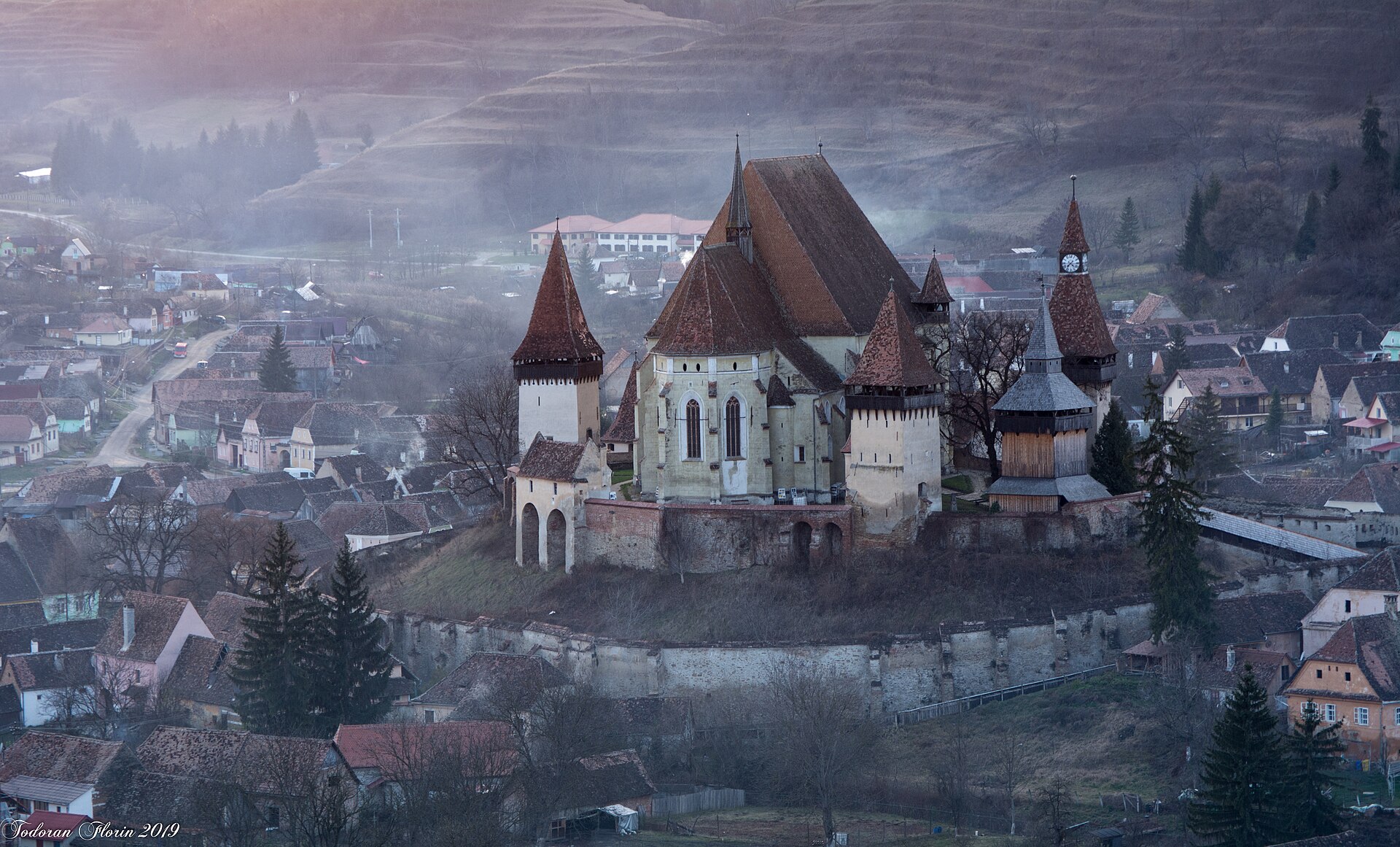
The visit: The largest and most extensively fortified Saxon church in Transylvania — a Late Gothic hall church (built 1490–1524, on a 13th-century site) inside three concentric rings of defensive walls with nine towers and three bastions. UNESCO World Heritage since 1993. Seat of the Transylvanian Saxon Lutheran bishopric 1572–1867. About 30 km from both Sighișoara and Mediaș; reached from the village square by a covered staircase of 73 steps; no public bus — car or local taxi. Entry 20 lei per person, covering the whole complex. Open daily April–October, with a lunch break 13:00–14:00 without exception; winter hours Tuesday–Sunday 11:00–15:00 (operator pages disagree on winter hours — check locally). Cash only at the gate.
The history: One of the seven principal Saxon towns of medieval Transylvania, first documented 1283, with around 5,000 inhabitants by 1510. The 1515 sacristy door has a 19-bolt lock operated by a single key, a masterpiece of late Gothic metalwork that won a prize at the 1898 Paris World Exhibition (the door itself is now displayed in the Diocesan Museum in Sibiu).
The lore (reported): The Marriage Prison — couples seeking divorce were locked together in a small tower room to reconsider: one room, one bed, one chair, one table, one plate, one cup, one spoon, no knife. In some 300–400 years of the practice, only one divorce was ever granted.
Honest check: The details wobble across every source — confinement is given as two weeks by some and six weeks by others, the practice’s span as 300 years or 400 years, and the “only one divorce” claim is local tradition, not a documented count. Present the room as real and the practice as real, but flag the numbers as tradition, not record. The haunting here is social history, not ghosts — and that is the point. Biertan is the quiet, human stop that keeps this list from being eight castles.
8. The Black Church — Brașov
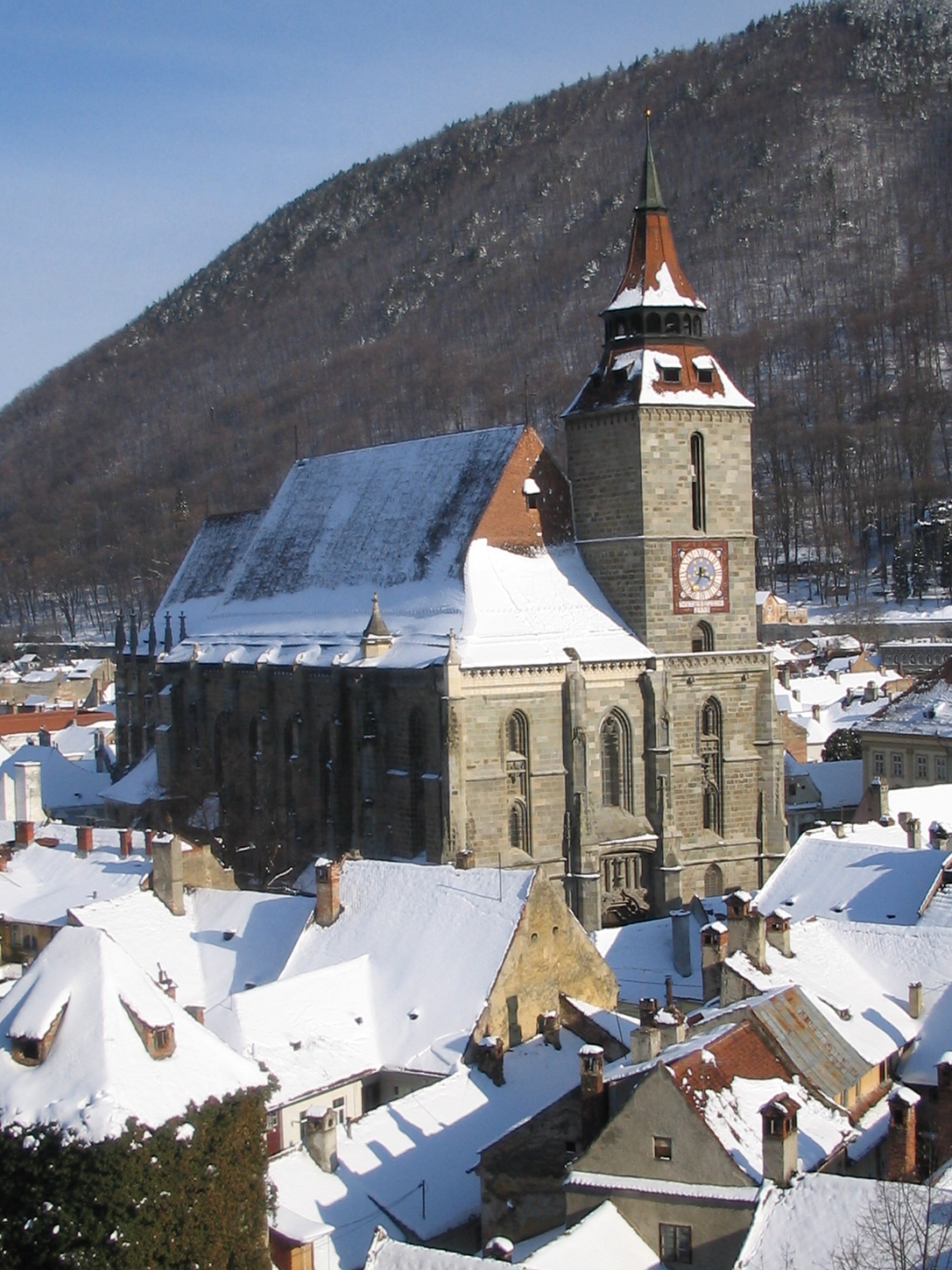
The visit: Brașov’s main landmark on Piața Sfatului (Council Square), the largest Gothic church between Vienna and Istanbul and the largest Lutheran church in Transylvania. A working church and museum, with organ concerts weekly in summer. Entry about 25–30 lei adult (sources vary). Open Tuesday–Saturday from 10:00, Sunday and Monday from noon.
The history: Construction began 1383–1385 (originally Roman Catholic, the Church of Saint Mary) and was completed after 1476: 89 m long, 65 m to the top of its single bell tower, with the largest bell in Romania (6.3 tonnes). The Buchholz organ (1839, 4,000 pipes, 63 stops) is the largest mechanical instrument in Romania and the largest organ Buchholz built. It became Lutheran at the Reformation. Bullet marks from the 1989 Revolution are still visible on the columns.
The lore (reported): The falling-boy statue on the north buttresses — either a master builder pushed his talented apprentice off the roof in jealousy and built the statue in guilt, or a helpful boy leaned over to check a wall and fell. The original 15th-century sculpture is now inside; the one outside is a replica.
Honest check — the article’s second big correction: The famous story — that the church is black because the 1689 fire sooted its walls — is wrong. Researcher Judit Petki (2019), drawing on 21st-century studies, found no evidence of fire destruction to the stonework: the darkening comes from 19th–20th-century industrial pollution after Brașov industrialised, and the name “Black Church” itself is a 19th-century creation. The 1689 fire was real and did gut the roof and interior (rebuilt with Danzig masons and Baroque vaults) — but the soot story is a misconception every guide repeats. Say so plainly.
Planning a Haunted Trip Through Transylvania
Base in Brașov. Three stops sit within an hour of it: the Black Church in the Old Town itself, Bran Castle 30 km southwest, and Râșnov Fortress between the two — a Bran day trip with Râșnov’s garden and tower makes the natural first day. Brașov evening ghost walks operate from the Old Town, though no operator or price was verified for this article — ask at your hotel rather than booking blind.
Then go west and north. Sighișoara is about 120 km from Brașov and Biertan about 30 km from Sighișoara, so the two pair as an overnight: stay inside the citadel walls and walk them after the day-trippers leave. Hoia Baciu Forest is 3 km from Cluj-Napoca, best done as a night tour from the city. Corvin Castle at Hunedoara is the outlier to the west — a half-day on its own, and the most rewarding single castle on the list.
Poenari needs its own day — and a check first. It sits on the Transfăgărășan road south of the Carpathians, not on the Brașov circuit, and the road’s upper sections are typically open June to October only. Check the Argeș County Museum’s current notice for bear closures before you set out, and budget the climb: around 1,480 steps, 30–45 minutes up.
What it costs. Transylvania is a bargain by western European standards: most entries on this list run 10–100 lei (roughly €2–20), citadel stays €55–120 a night, and the night forest tours are the only three-figure item. Prices are as found in November 2026 — several figures conflict across sources, so check current rates at booking.
The Dracula question, answered once. If you came for Dracula, the honest itinerary is Poenari for Vlad’s real fortress, Sighișoara for the town of his father’s exile, and Bran for the castle the world decided was his. The novel’s castle is in the Borgo Pass, Stoker never set foot in Romania, and the “Dracula’s Castle” label is 20th-century marketing. The real Transylvania — Saxon citadels, fortified churches, a forest with a photographed UFO — does not need the label.
Frequently Asked Questions
Is Bran Castle really Dracula’s Castle?
No — and that is the most important correction in this article. Vlad the Impaler never lived at Bran, never owned it, and was almost certainly never imprisoned there. Bram Stoker never visited Romania and Bran is not named in Dracula. The association is 20th-century tourism marketing. Vlad’s real fortress is Poenari Castle (see #2).
Where was Vlad the Impaler actually born?
Tradition says Sighișoara, in the yellow house now operating as the Casa Vlad Dracul restaurant — but no official source confirms that specific house, and historians debate whether he was born in Sighișoara at all. His father Vlad II Dracul did spend part of his exile there around 1431–1435, which is the documented part.
Can you actually visit Poenari Castle?
Yes, when it is open — and that is the catch. It reopened in April 2025 after restoration, closed again 14 days later when a bear tore down the visitor-area fence, and bear closures remain intermittent. Check the Argeș County Museum’s current notice before travelling, and remember the Transfăgărășan road is seasonal. The climb is around 1,480 steps.
Is Hoia Baciu Forest actually dangerous?
No disappearance in the forest has ever been verified in official records. The forest is a free public recreation area, the clearing is real, and the 1968 Barnea photographs are real photographs of something unexplained — but the shepherd-and-200-sheep story has no date, no records and no witnesses. Book a guided night tour if you want the atmosphere; walk it in daylight if you want the forest.
Why is the Black Church black, if not the 1689 fire?
The 1689 fire was real and gutted the roof and interior — but 21st-century research (Judit Petki, 2019) found no evidence of fire damage to the stonework. The darkening comes from 19th–20th-century industrial pollution, and the name “Black Church” is itself a 19th-century creation.
Can I do all eight in one trip?
Yes, in about five days with a car: Brașov as base for the Black Church, Bran and Râșnov; an overnight in Sighișoara with Biertan; a night in Cluj-Napoca for Hoia Baciu; Hunedoara for Corvin Castle; and a separate day for Poenari on the Transfăgărășan — in season, and only after checking it is open.
Which one should I visit first?
Start with Bran — it is the most famous, the easiest to reach, and the honest-check entry that reframes the whole trip. Then go to Poenari: the climb is the price of the real story, and the ruined fortress on its crag is the Transylvania you will remember.
Keep exploring
The Paris Catacombs: History, Hauntings & How to Visit
Twenty metres beneath the streets of Paris, in tunnels the city dug to build itself, lie the bones of more than six million Parisians — stacked…
Read story →
8 Haunted Places in Ireland (Historic Guide)
8 Haunted Places in Ireland (Historic Guide) Halloween began in Ireland. Before it was costumes and candy, it was Samhain, the festival that marked the end…
Read story →
8 Haunted Places in London (Historic Guide)
London has been accumulating ghosts longer than almost any city on earth — and, being London, it has also been accumulating the paperwork. Coronations and executions,…
Read story →